
Fermented foods have been enjoyed for thousands of years across many cultures, long before refrigeration existed. While they were originally made to preserve food, modern research has shown that fermentation offers far more than a longer shelf life. Fermented foods can play an important role in maintaining good health. Here are five reasons why you should consider adding more fermented foods to your diet.
1. They promote a healthy gut
Your digestive system is home to trillions of microorganisms that help break down food, absorb nutrients and protect against harmful bacteria. Many fermented foods contain beneficial bacteria, often called probiotics, which help maintain a healthy balance of microbes in the gut.
2. They make digestion easier
The fermentation process naturally breaks down complex sugars and proteins before you even eat the food. This means your digestive system has less work to do, making fermented foods easier for many people to digest. Some individuals also experience reduced bloating and discomfort after regularly consuming fermented foods.
3. They strengthen the immune system
Did you know that a significant portion of your immune system is linked to your gut? A healthy gut microbiome helps your body recognize and fight harmful microorganisms while supporting normal immune function. Regularly eating fermented foods may therefore contribute to a stronger, more resilient immune system.
4. They improve nutrient absorption
Fermentation doesn't just preserve food but can also make it more nutritious. The process increases the availability of certain vitamins and minerals by breaking down compounds that can interfere with nutrient absorption. Some fermented foods are also naturally richer in B vitamins and vitamin K, both of which are essential for good health.
5. They may support heart and metabolic health
Emerging research suggests that fermented foods may help support healthy cholesterol levels, blood pressure and blood sugar control when consumed as part of a balanced diet. Although they are not a cure for disease, including fermented foods in your meals may contribute to better long-term heart and metabolic health.
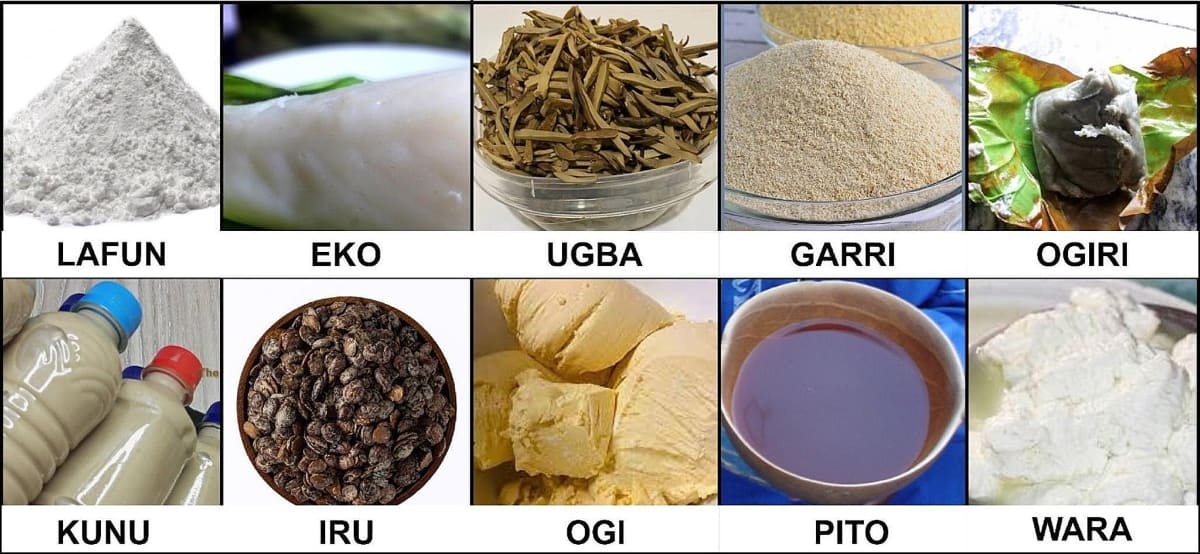
Examples of Fermented Foods to Add to Your Diet
- Naturally fermented kunu (Fermented grain drink from Nigeria)
- Pap/Akamu (Fermented maize or guinea corn from Nigeria)
- Garri (Fermented cassava flakes from Nigeria)
-Akpu/Fufu (Fermented cassava dough from Nigeria)
- Yoghurt
- Eko (Fermented maize pudding from Nigeria)
- Locust beans/Iru
- Wara/Tofu
- Uji
- Pickles
- Ugba/Ukpaka (From Nigeria)
- Kenkey (Fermented maize dough from Ghana)
- Injera ( sourdough flatbread from Ethiopia and Eritrea)
- Mahewu (fermented maize drink from Kenya)
Now, you should look out for pasteurization and heating in the production process of some fermented foods as they destroy the active, beneficial bacteria in them.
Fermented foods are more than just a food trend, they are a time tested way to support good health. Whether you're looking to improve your digestion, strengthen your immune system or simply diversify your diet, these nutrient rich foods offer a simple and delicious way to nourish your body from the inside out. Even small, regular servings can make a meaningful difference as part of a healthy lifestyle.
© Aisha Egena-Aruwa | talkafricang.com



Comments (0)
Leave a Comment