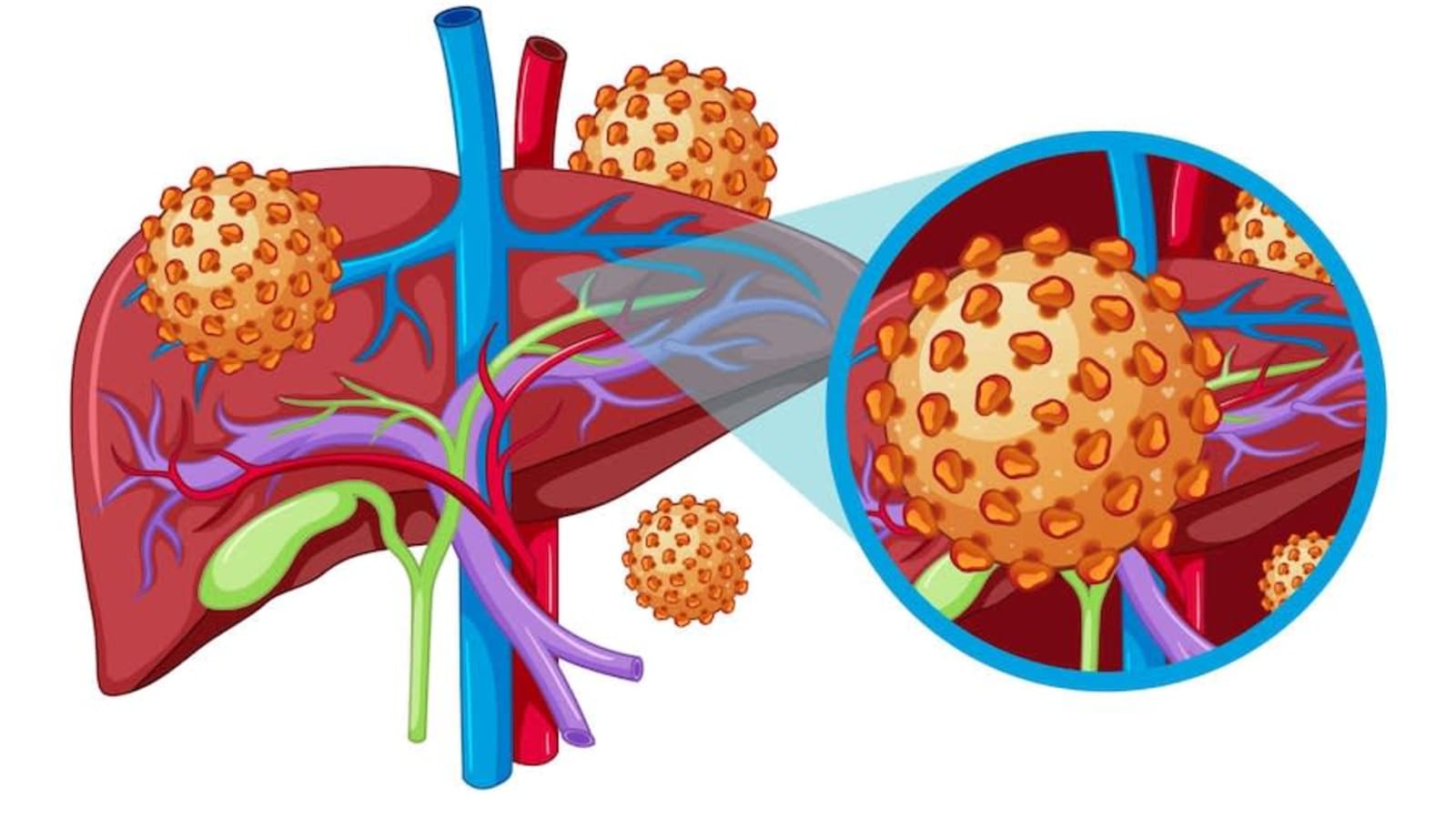
Liver diseases are becoming an increasing health concern worldwide, and hepatitis is one of the most common conditions affecting the liver. Many people have heard the term but may not fully understand what hepatitis is, how it spreads, or why it is dangerous. In Nigeria, Hepatitis B remains one of the most prevalent and serious types, affecting millions of people.
Understanding hepatitis, its causes, and how it can be prevented is very important for protecting public health.

What Is Hepatitis
Hepatitis is a medical condition characterized by inflammation of the liver cells (hepatocytes). The liver is a vital organ responsible for many important functions in the body, including:
- Detoxifying harmful substances
- Producing bile for digestion
- Storing nutrients and vitamins
- Helping regulate metabolism
When the liver becomes inflamed or damaged, its ability to perform these functions can be reduced, which may lead to serious health problems.
Causes of Hepatitis
Hepatitis can occur due to different causes. The most common include:
- Viral infections
- Excessive alcohol consumption
- Certain medications or toxins
- Autoimmune diseases
Because hepatitis can have different causes, it is generally divided into viral hepatitis and non-viral hepatitis.
Viral Hepatitis
Viral hepatitis is caused by viruses that specifically attack the liver. The major types include:
- Hepatitis A
- Hepatitis B
- Hepatitis C
- Hepatitis D
- Hepatitis E
-Hepatitis F
Each of these viruses affects the liver differently and spreads through different routes.
Hepatitis A
Hepatitis A is caused by the Hepatitis A virus (HAV) and is usually transmitted through the fecal-oral route, mainly by consuming contaminated food or water.
It is common in areas with poor sanitation and hygiene.
Key facts about Hepatitis A
- Usually causes acute infection
- Does not usually become chronic
- Most people recover completely
Vaccination and proper hygiene practices are effective ways to prevent infection.
• Hepatitis B (The Most Predominant in Nigeria)
Among all the types of hepatitis, Hepatitis B is the most common and most dangerous in Nigeria. Millions of people are infected, and many do not even know they carry the virus.
Hepatitis B is caused by the Hepatitis B virus (HBV) and can lead to both acute and chronic liver disease.
- How Hepatitis B Is Transmitted
Hepatitis B spreads mainly through contact with infected blood and body fluids. Common modes of transmission include:
- Unprotected sexual contact
- Sharing needles, syringes, or sharp objects
- Blood transfusion with infected blood
- From an infected mother to her baby during childbirth
- Exposure to contaminated medical equipment
Healthcare workers and people frequently exposed to blood products are also at higher risk.
• Complications of Hepatitis B
If Hepatitis B becomes Hepatitis, it can lead to serious liver problems such as:
- Liver cirrhosis
- Liver failures
- Liver cancer
This is why early detection and prevention are extremely important.
• Prevention of Hepatitis B
The Hepatitis B vaccine is one of the most effective ways to prevent infection. Other preventive measures include:
- Practicing safe sex
- Avoiding the sharing of sharp objects like razors and needles
- Ensuring blood used for transfusion is properly screened
- Regular testing and health check-ups
Vaccination is strongly recommended, especially for infants, healthcare workers, and individuals at higher risk.
• Hepatitis C
Hepatitis C is caused by the Hepatitis C virus (HCV) and is mainly transmitted through blood-to-blood contact.
Common sources of infection include:
- Sharing contaminated needles
- Unsafe blood transfusion
- Unsterilized medical equipment
Unlike Hepatitis A, Hepatitis C often becomes chronic and can gradually damage the liver over time. However, modern antiviral medications can cure many cases.
• Hepatitis D
Hepatitis D is caused by the Hepatitis D virus (HDV). It is unique because it only occurs in people who are already infected with Hepatitis B.
This type of hepatitis can make liver disease more severe and increase the risk of complications.
- Hepatitis E
Hepatitis E is similar to Hepatitis A in terms of transmission. It spreads mainly through contaminated water and poor sanitation.
Most infections are acute and self-limiting, meaning the body can recover without long-term liver damage.
•Hepatitis G
Hepatitis G is caused by the Hepatitis G virus (HGV). It is transmitted mainly through blood contact, similar to Hepatitis C.
However, it is not strongly associated with severe liver disease, and many infected individuals may not develop symptoms.
• Non-Viral Hepatitis
Not all hepatitis infections are caused by viruses. Some types occur due to other factors affecting the liver.
They include:
• Alcoholic Hepatitis
Alcoholic hepatitis occurs as a result of excessive and prolonged alcohol consumption. Alcohol damages liver cells and can cause inflammation.
Symptoms may include:
- Jaundice (yellowing of the skin and eyes)
- Abdominal pain
- Fatigue
- Loss of appetite
If alcohol consumption continues, it can progress to liver cirrhosis or liver failure.
• Drug-Induced Hepatitis
Certain medications and toxic substances can also cause liver inflammation. Some drugs may damage liver cells when taken in large doses or for long periods.
Examples include some pain relievers, antibiotics, and herbal medications taken without proper medical supervision.
• Autoimmune Hepatitis
Autoimmune hepatitis occurs when the body’s immune system mistakenly attacks the liver cells, leading to inflammation and liver damage.
This condition usually requires long-term medical treatment to control the immune response.
• Is Hepatitis Curable?
The possibility of cure depends on the type of hepatitis:
•Hepatitis A and E: Usually resolve on their own.
• Hepatitis B: Not completely curable but can be controlled with treatment.
• Hepatitis C: Often curable with antiviral medications.
• Alcoholic and drug-induced hepatitis: Can improve if the cause is removed early.
• Final Thoughts
Hepatitis remains a major global health problem, particularly in developing countries like Nigeria. Among all types, Hepatitis B poses the greatest threat because of its high prevalence and potential to cause chronic liver disease and liver cancer.
Public awareness, vaccination, early testing, and responsible health practices are key strategies in reducing the burden of hepatitis.
By understanding the causes, transmission routes, and prevention methods, individuals and communities can take important steps toward protecting their liver health and preventing the spread of hepatitis.



Comments (0)
Leave a Comment