
Tofu:The Protein Packed Superfood Taking the World by Storm
Tofu, also known as bean curd, is a nutritious food made from soybeans. Known for its mild flavor and ability to absorb seasonings, tofu has become a staple ingredient in many cuisines around the world. It is especially popular among vegetarians and vegans because of its high protein content and numerous health benefits.
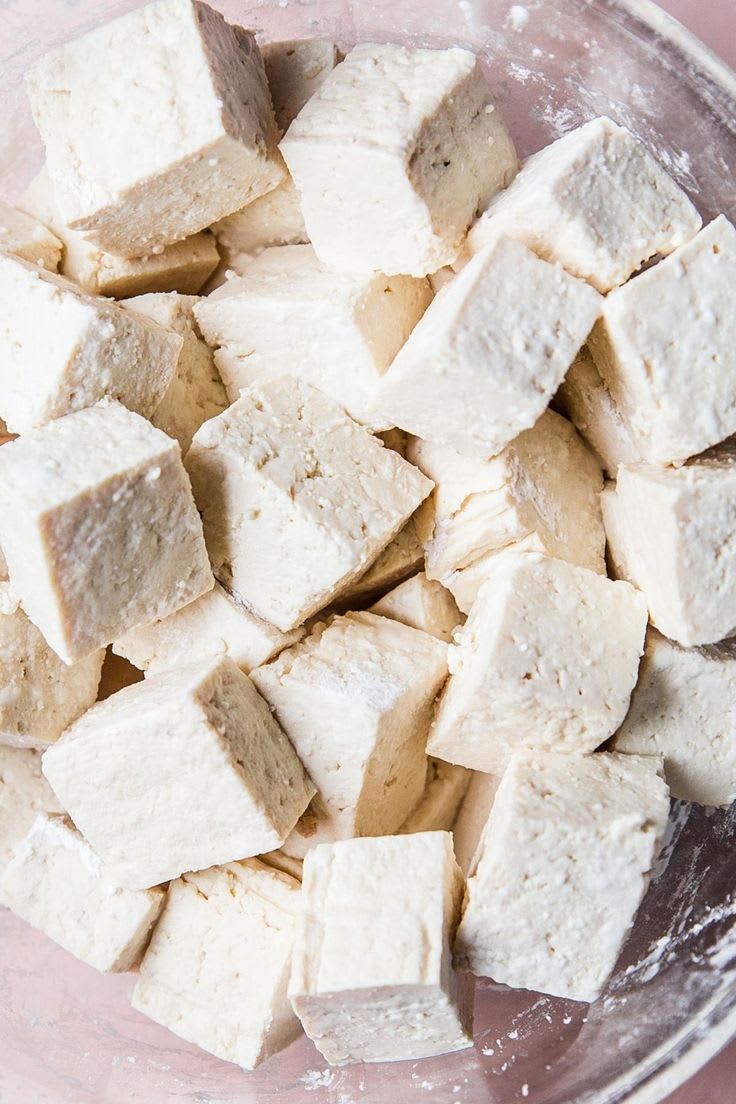
For centuries, tofu has been celebrated as a wholesome and versatile food that can be used in a wide range of dishes, from savory meals to sweet desserts.
Origin and History
Tofu originated in China over 2,000 years ago during the Han Dynasty. Historical records suggest that Chinese cooks discovered the process of curdling soy milk and pressing the resulting curds into solid blocks. Over time, tofu spread throughout Asia, becoming an important ingredient in Japanese, Korean, Vietnamese, and other Asian cuisines.
Today, tofu is enjoyed worldwide and has gained popularity as a sustainable and healthy alternative to animal-based proteins.
How Tofu Is Made
The production of tofu begins with soybeans. The process involves:
1. Soaking dried soybeans in water.
2. Grinding the soaked beans into a slurry.
3. Boiling the mixture and filtering it to obtain soy milk.
4. Adding a coagulant, such as calcium sulfate or magnesium chloride, to curdle the soy milk.
5. Pressing the curds into blocks to form tofu.
The amount of pressure applied determines the texture and firmness of the tofu.
Types of Tofu
1. Silken Tofu
Silken tofu is soft, smooth, and creamy. It is commonly used in smoothies, desserts, dressings, and soups.
2. Soft Tofu
Soft tofu has a delicate texture and is often added to stews and soups.
3. Firm Tofu
Firm tofu holds its shape well and is suitable for frying, grilling, baking, and stir-frying.
4. Extra-Firm Tofu
Extra-firm tofu contains less moisture and is ideal for recipes that require a meat-like texture.
5. Smoked Tofu
This variety is smoked for additional flavor and can be enjoyed in salads, sandwiches, and snacks.
Nutritional Value
Tofu is highly nutritious and contains several essential nutrients.
A typical 100-gram serving provides:
Calories: 70–90
Protein: 8–10 grams
Fat: 4–5 grams
Carbohydrates: 2–3 grams
Calcium
Iron
Magnesium
Phosphorus
Potassium
One of tofu's greatest strengths is that it contains all nine essential amino acids, making it a complete protein source.
Health Benefits of Tofu
1.Rich Source of Plant Protein
Tofu provides high-quality protein that supports muscle growth, tissue repair, and overall body function.
2.Supports Heart Health
Studies suggest that soy-based foods may help lower LDL ("bad") cholesterol levels, reducing the risk of heart disease.
3.Promotes Strong Bones
Many tofu products are fortified with calcium, which is essential for maintaining healthy bones and teeth.
4.Aids Weight Management
Being low in calories and high in protein, tofu can help promote fullness and reduce overeating.
May Help Reduce Risk of Certain Diseases
Tofu contains isoflavones, natural plant compounds that may contribute to improved overall health when consumed as part of a balanced diet.
Suitable for Various Diets
Tofu is naturally dairy-free and can fit into vegetarian, vegan, and many gluten-free diets.
Culinary Uses
One of the reasons tofu is so popular is its versatility. It can be:
Fried until crispy
Stir-fried with vegetables
Grilled and marinated
Added to soups and stews
Blended into smoothies
Used in vegan desserts
Crumbled as a substitute for scrambled eggs
Incorporated into salads and sandwiches
Because tofu absorbs flavors easily, it works well with herbs, spices, sauces, and marinades.
Environmental Benefits
Compared to many animal protein sources, tofu generally requires fewer natural resources to produce. Soybean cultivation often uses less water and generates lower greenhouse gas emissions, making tofu a more environmentally friendly protein option.
Storage Tips
Keep unopened tofu refrigerated until its expiry date.
After opening, store tofu in clean water and change the water daily.
Use opened tofu within 3–5 days.
Tofu can be frozen to extend its shelf life and create a firmer, chewier texture.
Tofu is far more than just a meat substitute. It is a nutrient-dense, protein-rich food with a long history and countless culinary applications. Whether grilled, baked, fried, or blended, tofu offers an affordable and healthy way to enjoy plant-based nutrition. Its versatility, health benefits, and sustainability have made it a beloved ingredient in kitchens around the world.
© 2026| Osho Deborah| Talk Africa NG.com


Comments (0)
Leave a Comment