Africa has always been a source of global influence long before the world formally acknowledged it. From music and art to storytelling and cultural expression, its impact has shaped generations across continents. Yet, what is often called “discovery” is, in reality, recognition catching up with a legacy that has always existed.
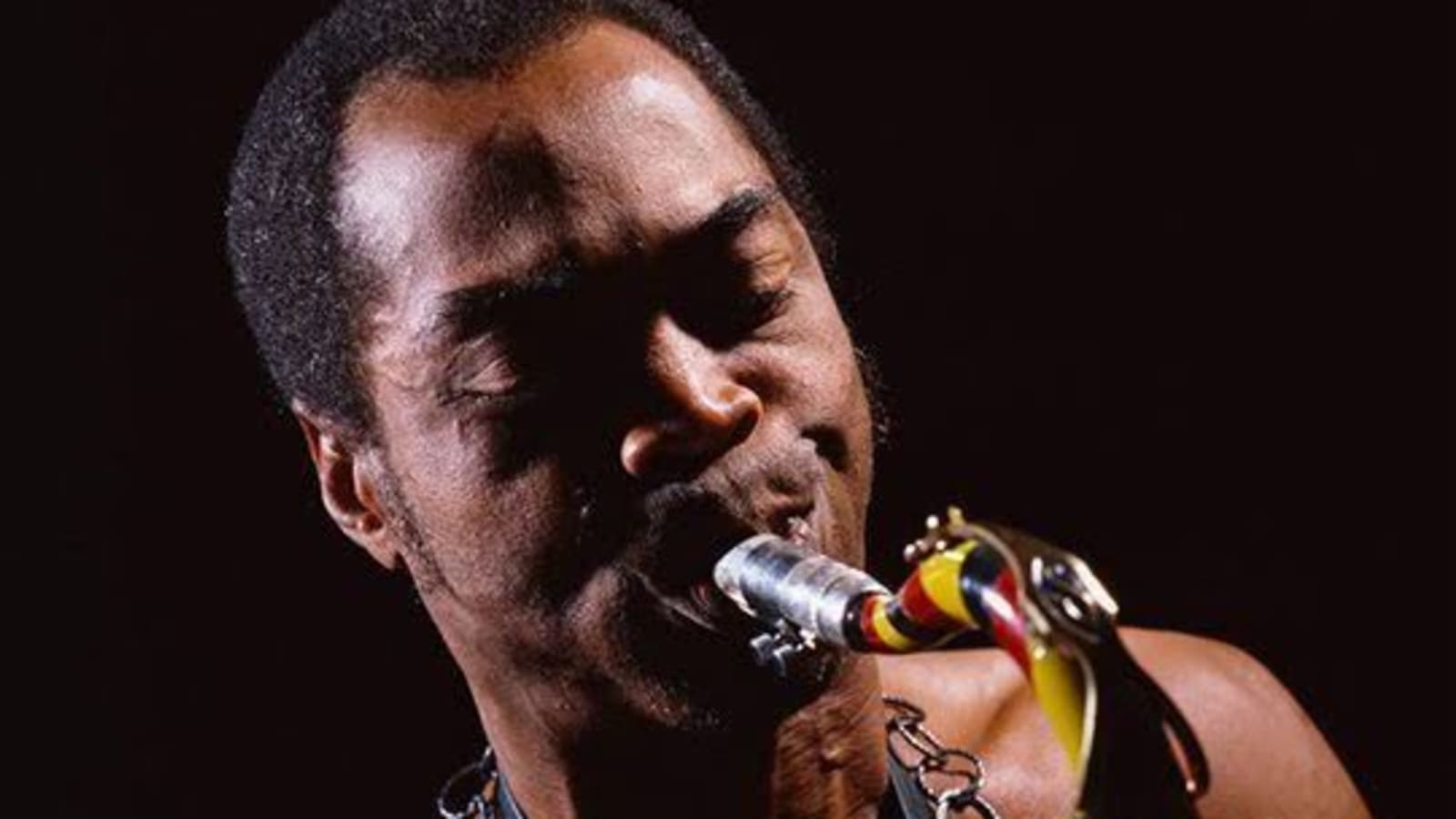
At the center of this global cultural conversation is Fela Kuti, a man whose sound, vision, and resistance transformed not only African music but the world’s understanding of what music can represent.
A Celebration Before Everything Else
Before awards, titles, or institutional recognition, there is culture and Africa has always led with it.
From the streets and spirit of Lagos, Fela Kuti emerged as more than an artist. He became a voice of identity, resistance, and truth. Through Afrobeat, he created a sound that carried rhythm, but also carried message challenging systems, reflecting society, and giving voice to the people.
His work did not wait for validation. It existed fully formed, already influencing audiences, already shaping thought, already crossing borders.
The Early Influence Award and What It Represents
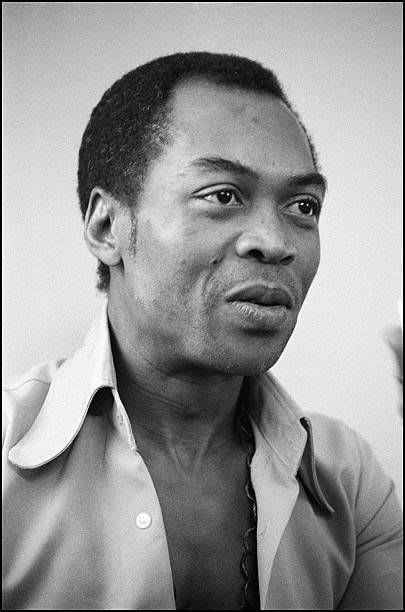
Recent conversations have highlighted Fela Kuti in connection with what has been referred to as an “Early Influence Award.” While different platforms may frame recognition in varying ways, the central idea remains consistent: honoring individuals whose impact was felt early and continues to expand across time.
This kind of recognition does not suggest that influence began recently. Instead, it acknowledges something very different that the influence was already present from the beginning.
In Fela’s case, this idea fits naturally.
His music did not become important later. It was important as it emerged. It shaped conversations in real time, inspired artists while still evolving, and challenged authority while still being created.
Early Influence as a Living Reality
What makes Fela Kuti’s legacy unique is not just its depth, but its timing.
Many artists are recognized after their influence is fully understood. Fela’s influence, however, was visible while it was happening. His sound was not waiting for approval it was actively reshaping cultural direction.
That is what “early influence” truly means in his context: not a label assigned later, but a reality that existed from the start.
Africa’s Influence Beyond Recognition
This moment also reflects something larger than one artist. It reflects Africa’s long-standing role in global creativity.
For decades, African influence has shaped global sound, even when it was not formally credited. Today, as global platforms and institutions revisit cultural history, there is a growing effort to align recognition with reality.
Fela Kuti stands as one of the clearest examples of this alignment.
The influence of Fela Kuti continues to live through modern music, activism, and global Afrobeat culture. Artists across continents continue to draw inspiration from the foundation he built.
What began as a local sound in Lagos has become a global movement proof that early influence does not fade; it expands.
Recognition That Reflects Reality:
The idea of an Early Influence Award does not redefine Fela Kuti’s legacy it reflects it.
It is a reminder that true influence does not wait for validation. It begins early, grows naturally, and eventually becomes impossible to ignore.
And in that sense, Fela Kuti’s story is not one of recognition arriving late but of recognition finally catching up.
Because Africa has never been behind. It has always been ahead of the recognition it receives.
© 2026, Angel Tomi Olorunmonu.



Comments (0)
Leave a Comment