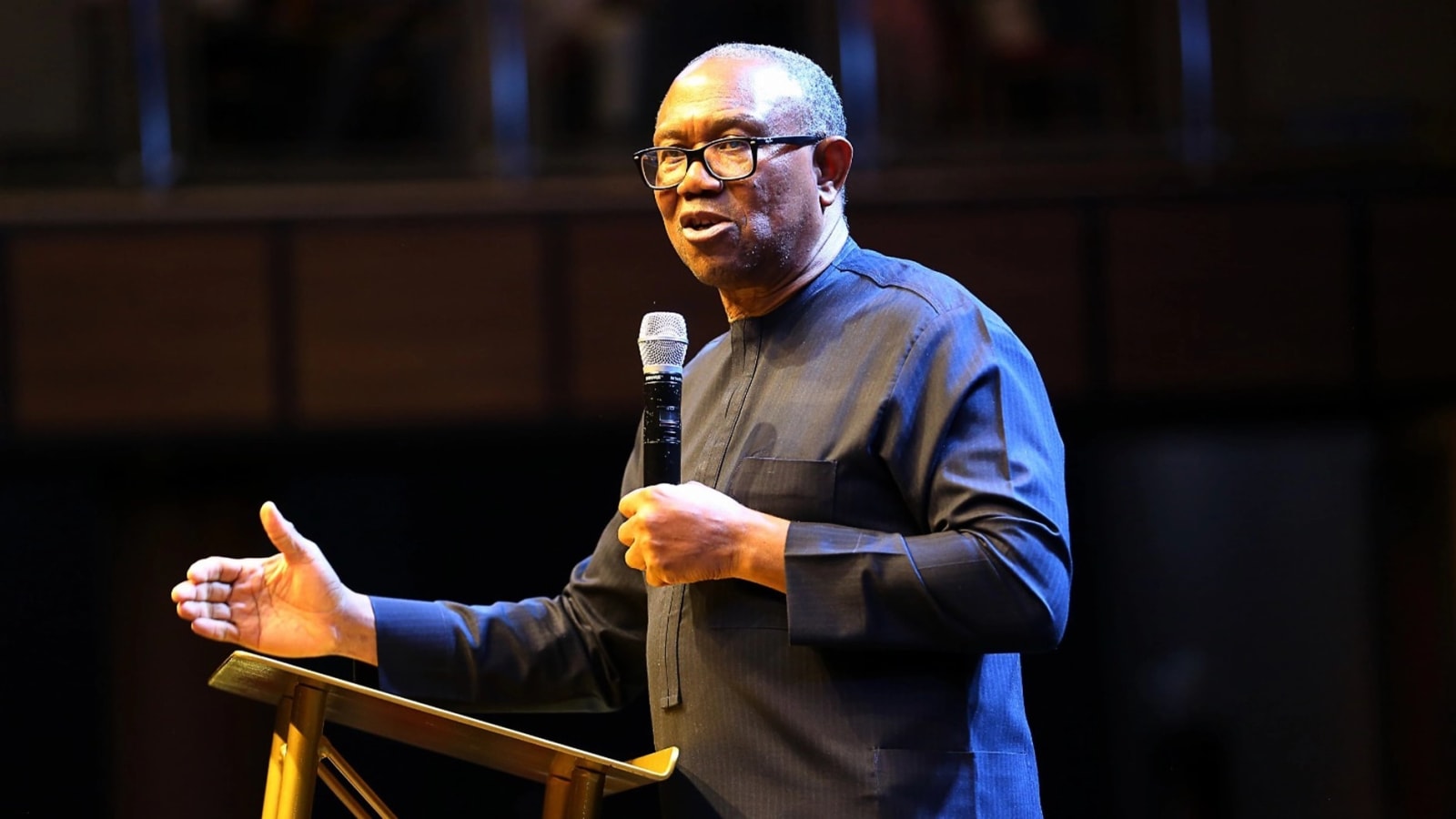
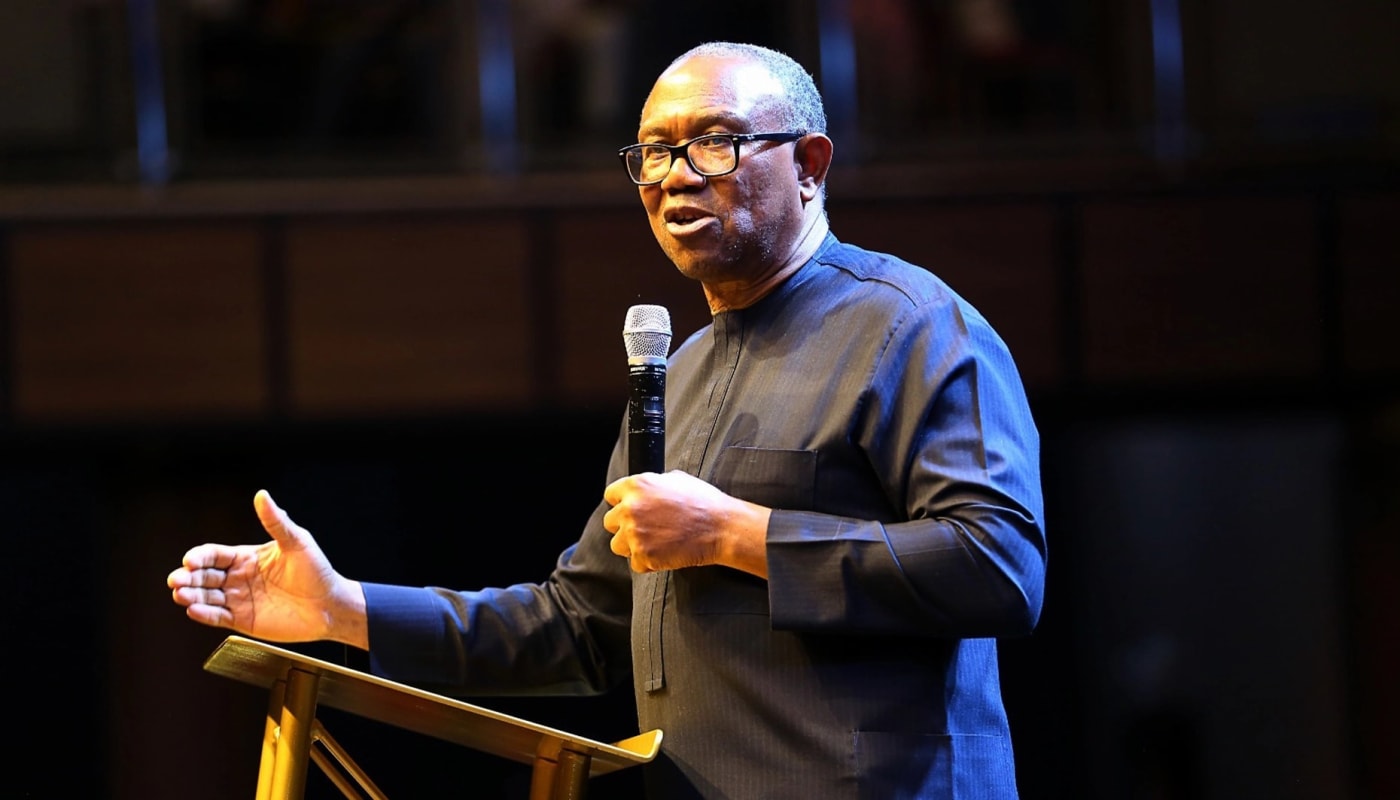
Presidential candidate of the Nigeria Democratic Congress (NDC), Peter Obi, has criticised President Bola Tinubu’s administration over rising public debt, poverty and insecurity, arguing that increased government borrowing has not translated into meaningful improvements in the lives of Nigerians.
Obi made the remarks on Saturday, 31 October, during a town hall meeting in Owerri, Imo State, as part of his nationwide consultations ahead of the 2027 general elections.
Before the meeting, the former Anambra State governor visited a local market where he interacted with traders, buyers and residents about the economic difficulties affecting households and businesses. He said their experiences reflected the hardship many Nigerians were facing under the current economic policies.
Questioning the administration’s borrowing record, Obi argued that the growing debt burden should be matched by visible improvements in public services, infrastructure and citizens’ living conditions. He maintained that government borrowing should produce measurable benefits rather than leave ordinary Nigerians struggling with basic needs.
The NDC candidate also raised concerns about hunger, multidimensional poverty, insecurity and the increasing number of children out of school. He cited figures suggesting that more than 140 million Nigerians were living in multidimensional poverty, while millions of children remained outside the education system.
Obi further questioned President Tinubu’s engagement with Imo State, alleging that the President had not spent a night in the state since assuming office, despite spending more than 260 days outside the country.
Outlining his proposed approach to governance, Obi said he and his running mate, Senator Rabiu Kwankwaso, would prioritise national security, healthcare, education, national unity and poverty reduction if elected in 2027.
He argued that public resources should be directed towards improving the quality of life of citizens, creating opportunities and addressing the challenges facing vulnerable households.
The town hall meeting forms part of the NDC's efforts to engage voters and present its proposed direction for the country ahead of the next general elections.
Obi's remarks add to the growing debate among political figures over the Tinubu administration's economic record, particularly the relationship between government borrowing, public revenue and the living conditions of Nigerians.
His criticism also comes amid wider calls for greater accountability in public spending, with questions being raised about how government resources are allocated and whether economic policies are producing tangible results for citizens.
© 2026 Aliu Azeema |
TalkAfricang.com





Comments (0)
Leave a Comment