The Talking Drum: When Music Became a Language

The Talking Drum: When Music Became a Language

The Talking Drum: When Music Became a Language

Imagine hearing a drumbeat and understanding that someone is being praised, a message is being passed or an important person has just arrived. It might sound unusual today, but in parts of traditional African society, a drum could communicate much more than rhythm.

Long before communication became as easy as sending a text message or making a phone call, African communities had developed different ways of passing information. Among the Yoruba people of southwestern Nigeria, one remarkable instrument played a significant role in this tradition: the talking drum, popularly known as "gangan"

But what makes a drum capable of talking?

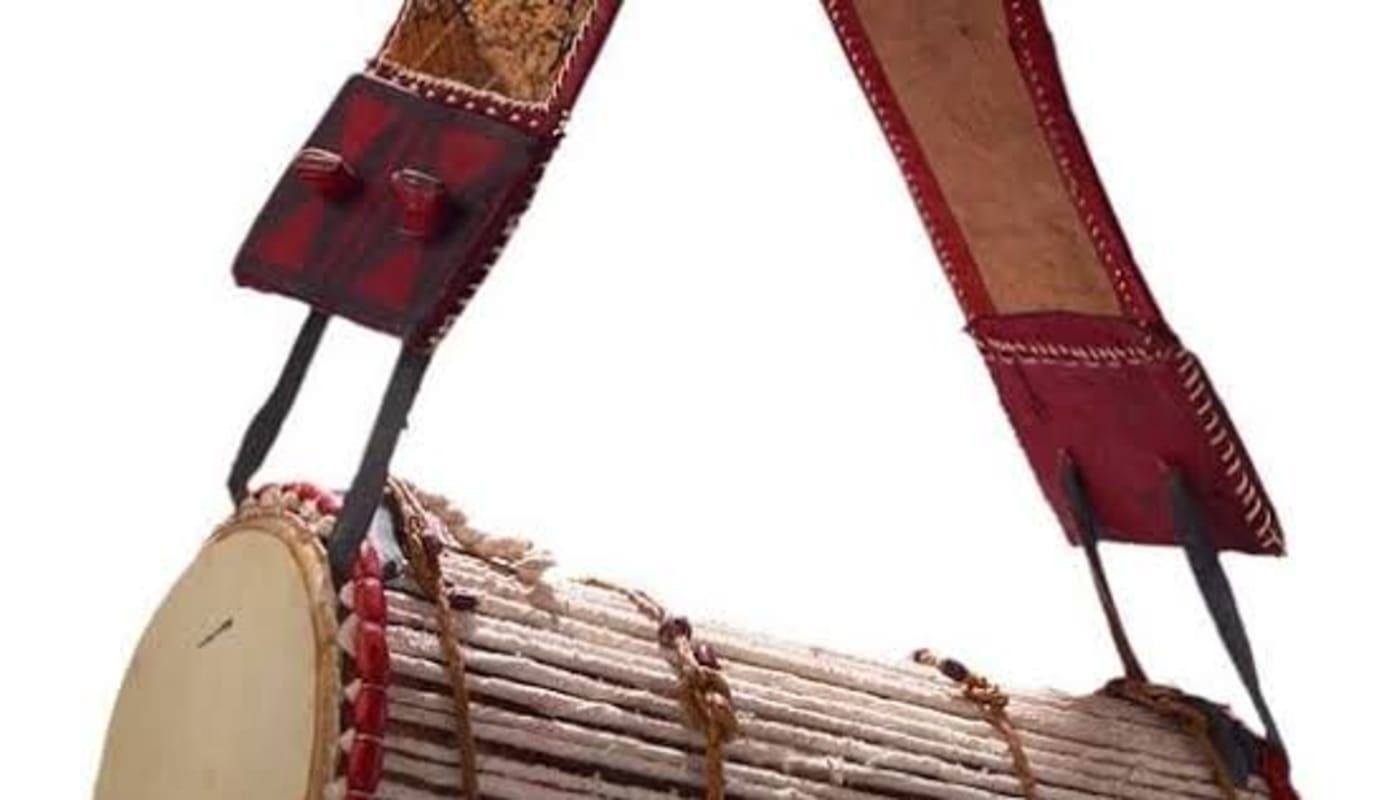
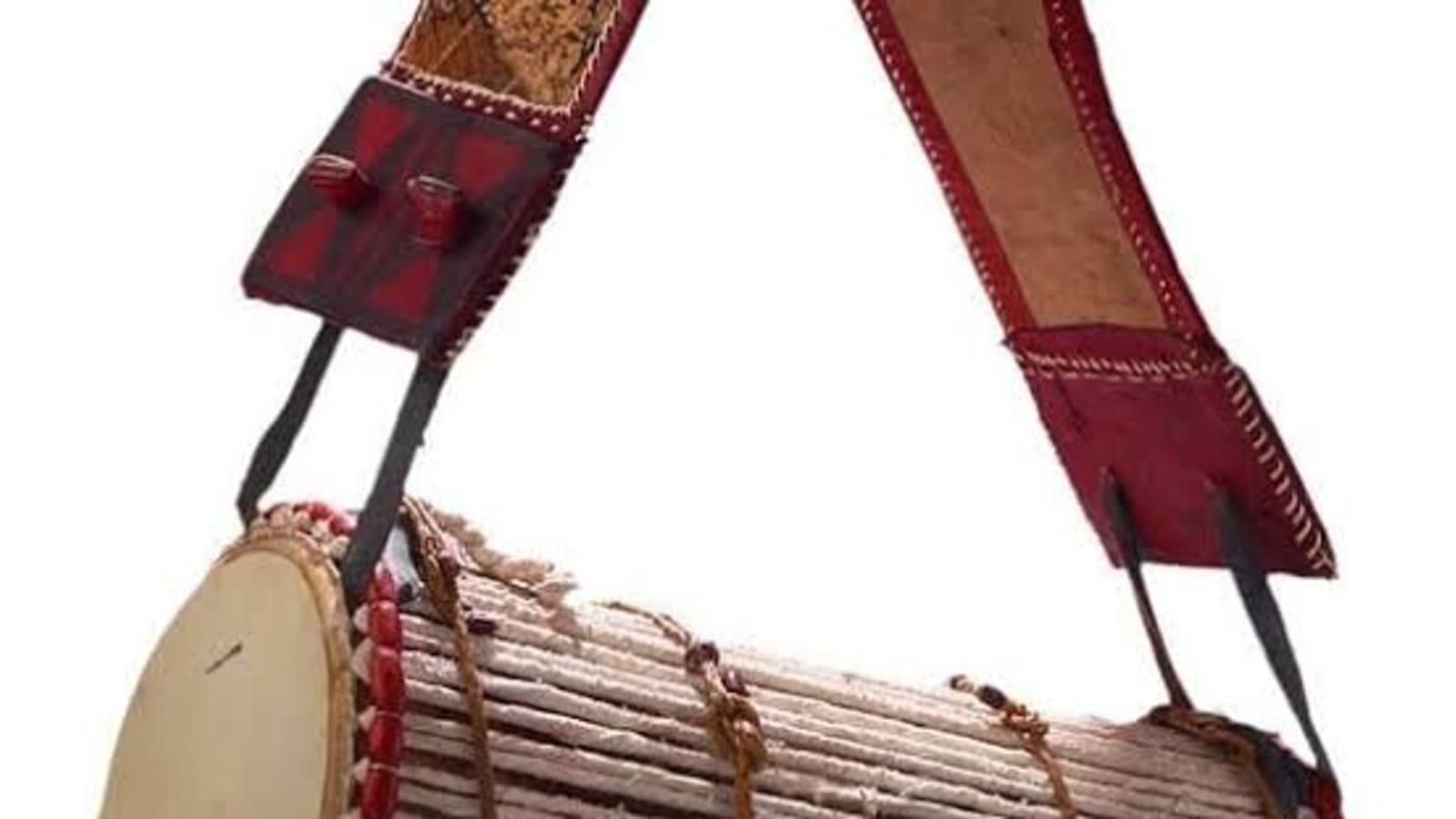
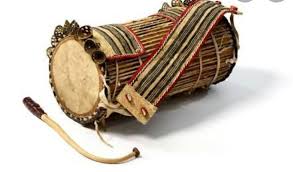
Unlike ordinary drums that produce relatively fixed pitches, the Yoruba talking drum has a distinctive hourglass shape, with cords running along its sides. By squeezing these cords while striking the drum, the player can alter its pitch, producing sounds that rise and fall in ways that imitate the tones of spoken language.

This is particularly important in Yoruba, a tonal language in which the pitch used when pronouncing a word can change its meaning. Skilled drummers use this understanding to reproduce familiar expressions, praise poetry, proverbs and other forms of communication.

Interestingly, the talking drum does not simply reproduce ordinary speech word for word. Its messages often depend on shared cultural knowledge, context and the listener's familiarity with the language and drumming tradition.

In traditional Yoruba communities, talking drummers were not merely entertainers. They occupied an important position in social and cultural life. They performed at royal courts, festivals, weddings, funerals and other important gatherings. They could announce the arrival of distinguished guests, celebrate community achievements and preserve accounts of family histories.

One particularly fascinating tradition is Oríkì, the Yoruba art of praise poetry.

Through oríkì, individuals, families and communities are celebrated using praise names, historical references and expressions associated with their ancestry and identity. Talking drummers often bring these praises to life through carefully arranged rhythms and tones.

A skilled drummer could draw on a person's lineage, family history and achievements to deliver a performance that meant far more than simply playing a familiar tune.

The importance of the talking drum, however, extends beyond the Yoruba people. Across different parts of West and Central Africa, various communities developed their own traditions of using drums for communication, ceremonies and storytelling. The instruments, techniques and meanings differ, but they reveal a shared history of musical creativity across the continent.
images (2)

Today, the talking drum has travelled far beyond traditional African gatherings. It features in contemporary Nigerian music, international performances and collaborations with musicians across different genres. Yet, despite its growing presence in modern entertainment, its cultural significance remains deeply rooted in the communities that preserved its traditions.

Perhaps what makes the talking drum particularly remarkable is not simply its ability to imitate human speech, but the history and knowledge carried through its sounds.

It reminds us that African societies had sophisticated systems of communication, artistic expression and historical preservation long before modern technology.

Sometimes, what sounds like music to an unfamiliar ear carries an entire conversation for someone who understands it.

And perhaps that is one of the most beautiful things about African heritage: even our instruments have stories to tell.

© Angel Tomi @Talk Africa NG.com

Share this article

Keep Reading

More stories you might find interesting

Comments (0)

Leave a Comment

0/1000
Loading comments...

The Talking Drum: When Music Became a Language

The Talking Drum: When Music Became a Language

The Talking Drum: When Music Became a Language

Imagine hearing a drumbeat and understanding that someone is being praised, a message is being passed or an important person has just arrived. It might sound unusual today, but in parts of traditional African society, a drum could communicate much more than rhythm.

Long before communication became as easy as sending a text message or making a phone call, African communities had developed different ways of passing information. Among the Yoruba people of southwestern Nigeria, one remarkable instrument played a significant role in this tradition: the talking drum, popularly known as "gangan"

But what makes a drum capable of talking?

Unlike ordinary drums that produce relatively fixed pitches, the Yoruba talking drum has a distinctive hourglass shape, with cords running along its sides. By squeezing these cords while striking the drum, the player can alter its pitch, producing sounds that rise and fall in ways that imitate the tones of spoken language.

This is particularly important in Yoruba, a tonal language in which the pitch used when pronouncing a word can change its meaning. Skilled drummers use this understanding to reproduce familiar expressions, praise poetry, proverbs and other forms of communication.

Interestingly, the talking drum does not simply reproduce ordinary speech word for word. Its messages often depend on shared cultural knowledge, context and the listener's familiarity with the language and drumming tradition.

In traditional Yoruba communities, talking drummers were not merely entertainers. They occupied an important position in social and cultural life. They performed at royal courts, festivals, weddings, funerals and other important gatherings. They could announce the arrival of distinguished guests, celebrate community achievements and preserve accounts of family histories.

One particularly fascinating tradition is Oríkì, the Yoruba art of praise poetry.

Through oríkì, individuals, families and communities are celebrated using praise names, historical references and expressions associated with their ancestry and identity. Talking drummers often bring these praises to life through carefully arranged rhythms and tones.

A skilled drummer could draw on a person's lineage, family history and achievements to deliver a performance that meant far more than simply playing a familiar tune.

The importance of the talking drum, however, extends beyond the Yoruba people. Across different parts of West and Central Africa, various communities developed their own traditions of using drums for communication, ceremonies and storytelling. The instruments, techniques and meanings differ, but they reveal a shared history of musical creativity across the continent.

images (2)

Today, the talking drum has travelled far beyond traditional African gatherings. It features in contemporary Nigerian music, international performances and collaborations with musicians across different genres. Yet, despite its growing presence in modern entertainment, its cultural significance remains deeply rooted in the communities that preserved its traditions.

Perhaps what makes the talking drum particularly remarkable is not simply its ability to imitate human speech, but the history and knowledge carried through its sounds.

It reminds us that African societies had sophisticated systems of communication, artistic expression and historical preservation long before modern technology.

Sometimes, what sounds like music to an unfamiliar ear carries an entire conversation for someone who understands it.

And perhaps that is one of the most beautiful things about African heritage: even our instruments have stories to tell.

© Angel Tomi @Talk Africa NG.com

Share this article

Comments (0)

Leave a Comment

0/1000
Loading comments...