Africa Needs More Leaders, Not Politicians

Africa Needs More Leaders, Not Politicians

Africa Needs More Leaders, Not Politicians

In recent years, Africa has been ruled by politicians who see their seats as an entitlement. They do not treat the office as something earned through study, hard work, or service to the people. They treat it as a birthright, something that should be handed to them because of their loyalty to a party or a political seat. To them, politics is a game that keeps the rich and their circle rich, and the seat is the reward.

It was not always this way. In earlier years, Africa had leaders with a vision, a plan, and a blueprint. They had a future in mind for their nation and for the continent, and that future included the youths, the elderly, and the people not yet born. They drew a picture of how every child in their country should grow up, think, and stand in the world. They understood poverty, suffering, and pain, and they worked to make sure their people never had to walk that road again. They knew that politics would not save a nation, but leadership would.

The Leaders Who Came Before

When Africans were lost under colonial rule, people rose to lead them out. Here are a few of them, and what they did with the power they held.
1000928613

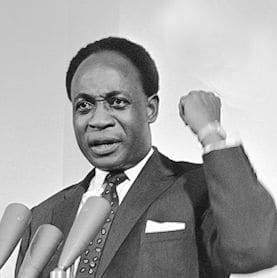
Kwame Nkrumah led the Gold Coast to independence on 6 March 1957, and Ghana became the first sub-Saharan African country to break free from colonial rule. He backed the Volta River hydropower project that produced the Akosombo Dam, completed in 1965.
1000928616

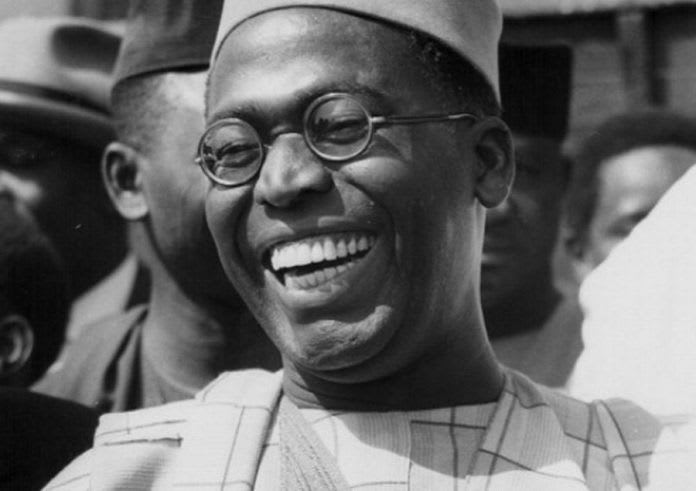
Obafemi Awolowo, as Premier of Nigeria's Western Region, introduced free primary education in 1955, along with free healthcare for children. His government also launched Western Nigeria Television in 1959, the first television station in Africa. In 1958/59, the region reportedly put over 40 percent of its recurrent budget into education, and that choice shaped generations.
1000928621

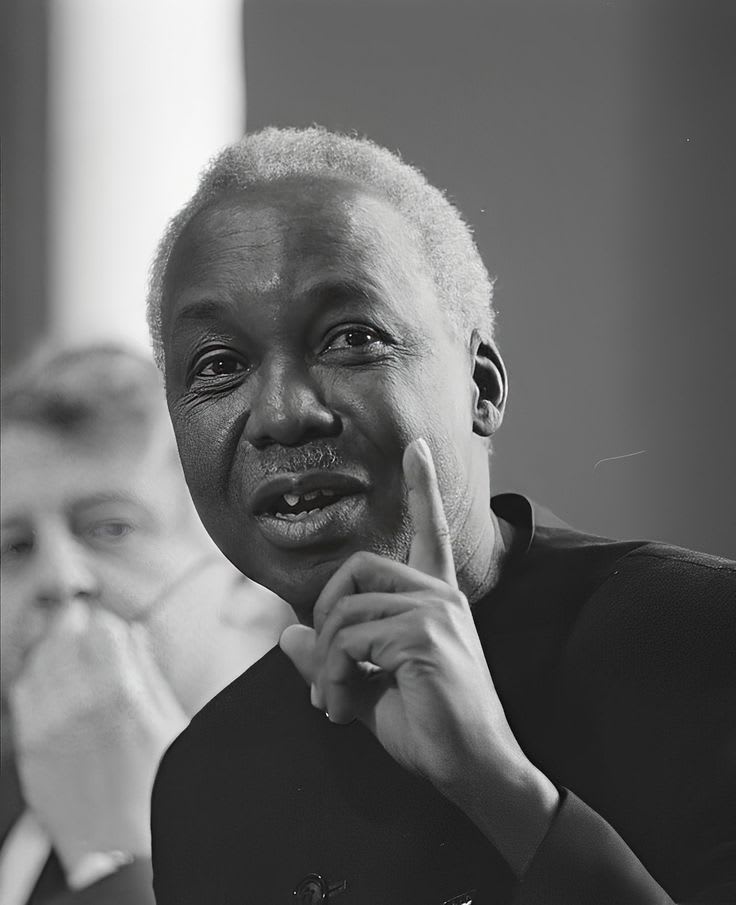
Julius Nyerere led Tanzania after independence, promoted Swahili as a common language across a country of more than a hundred ethnic groups, and pushed education and literacy. In 1985, he stepped down from the presidency voluntarily.
1000928632

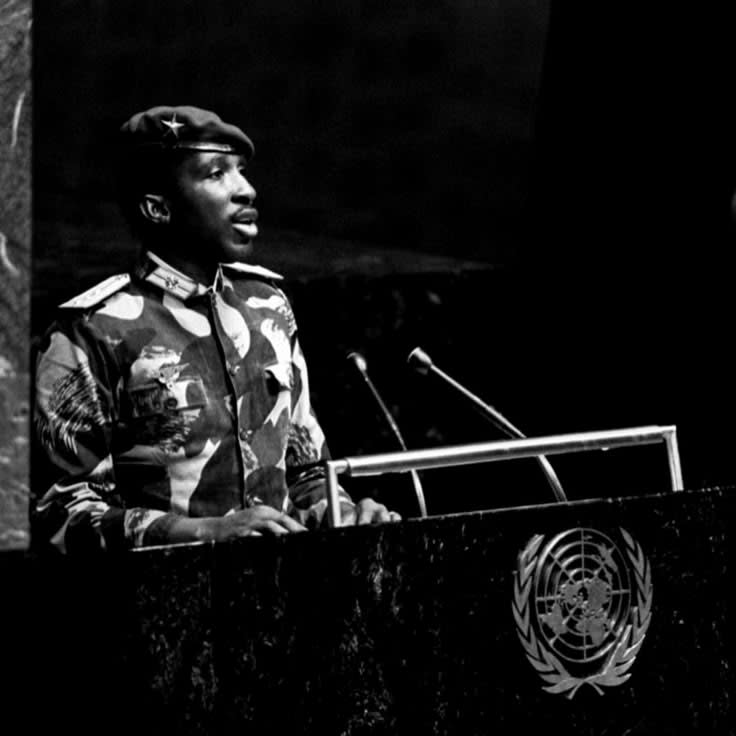
Thomas Sankara led Burkina Faso for only four years, from 1983 until his assassination at 37 in 1987. In November 1984, his government vaccinated about 2.5 million children against meningitis, yellow fever, and measles in 15 days. It planted millions of trees to hold back the advance of the Sahara, and he sold the government's fleet of Mercedes cars and chose cheaper vehicles for officials.
1000928639

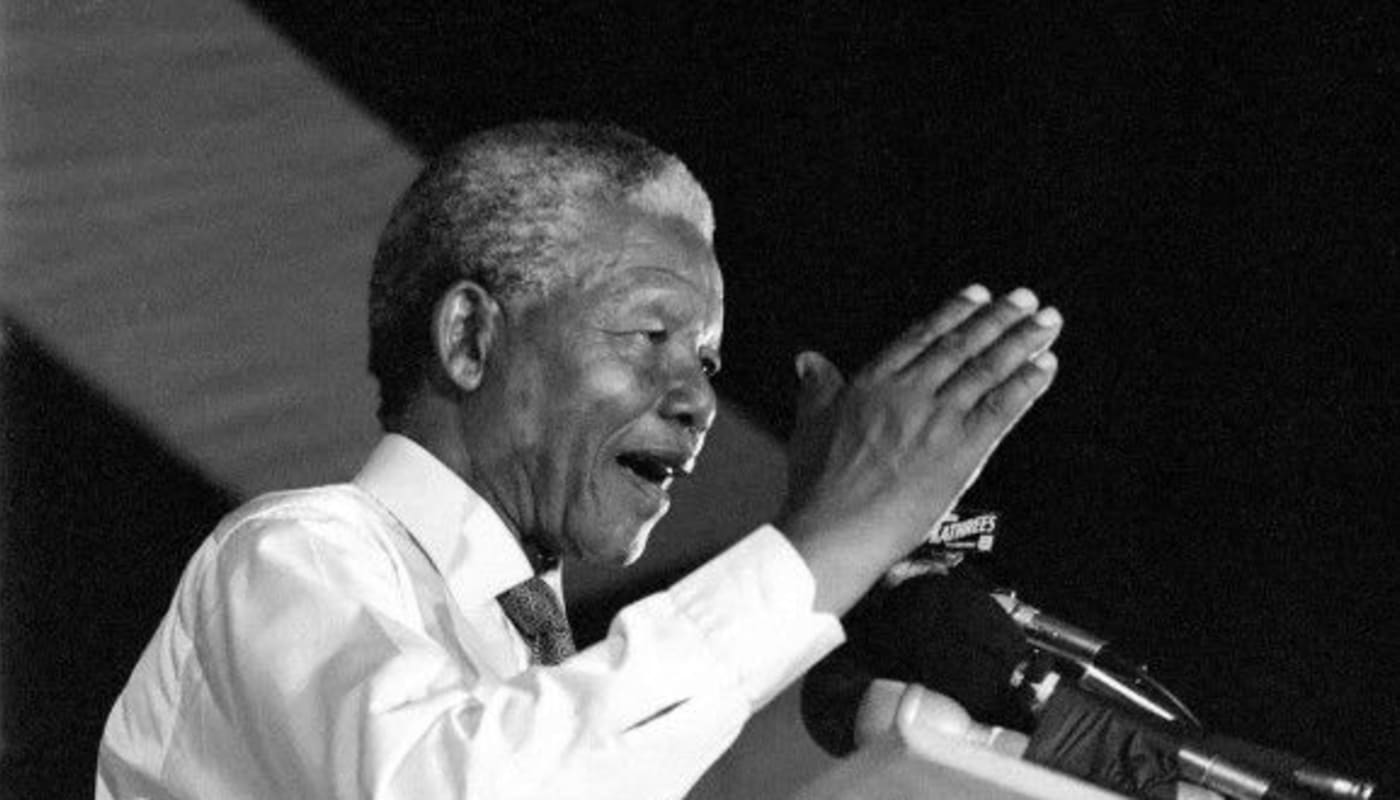
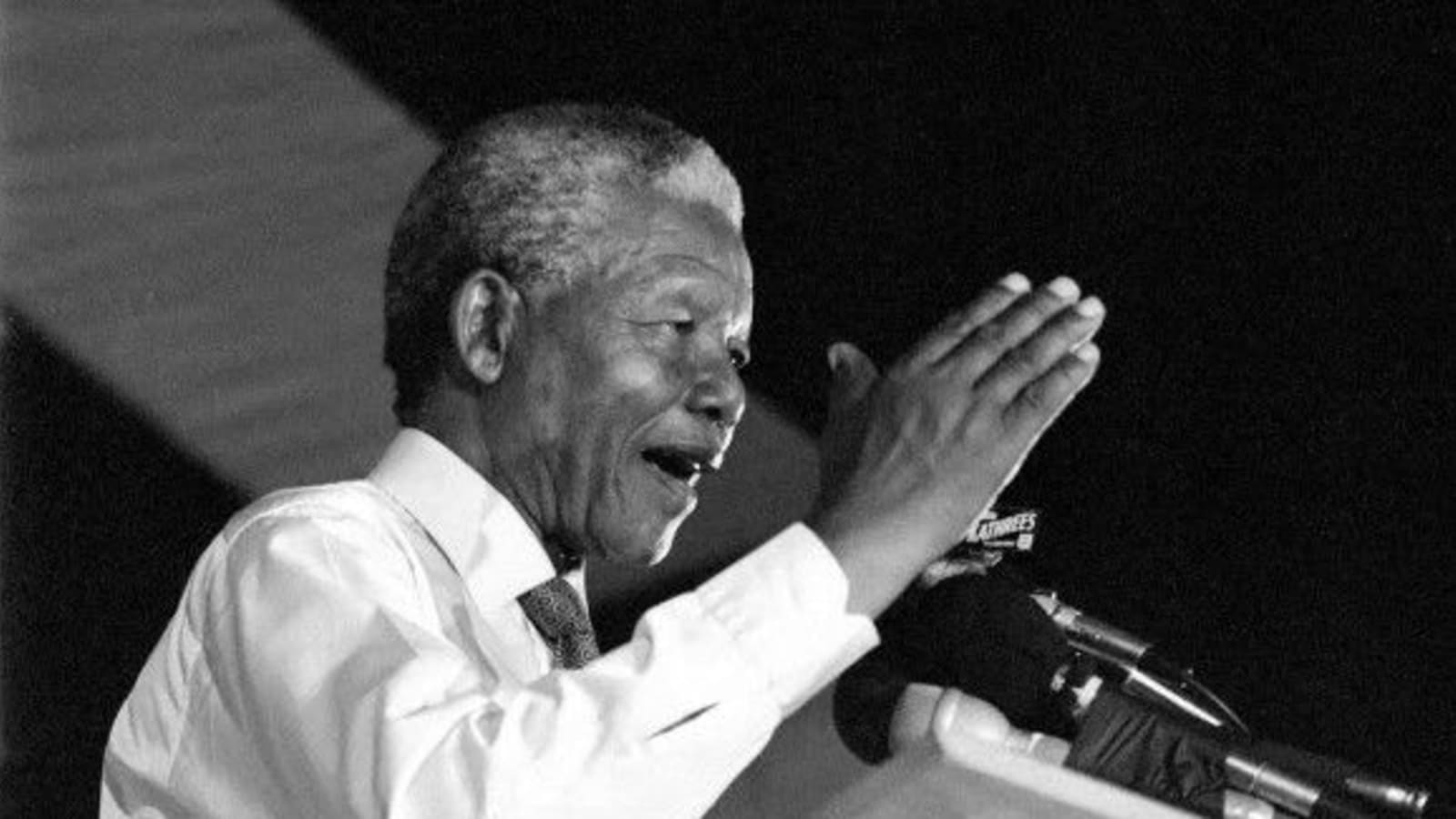
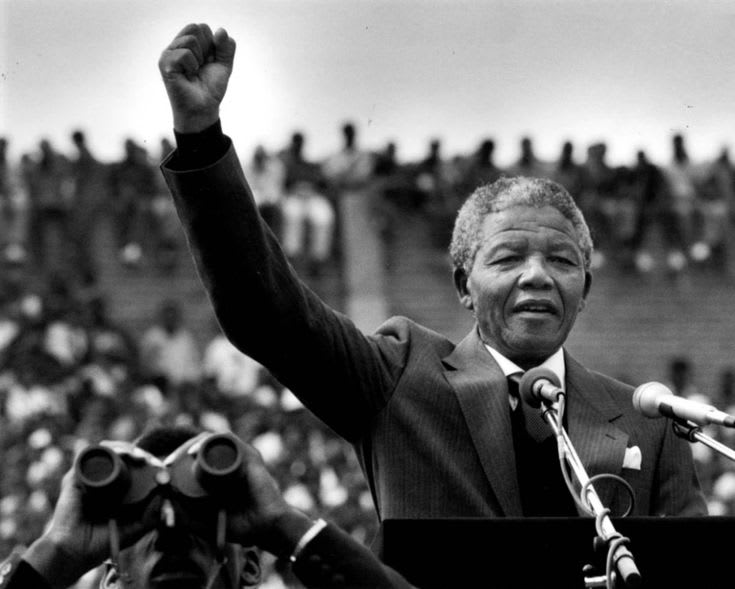
Nelson Mandela spent 27 years in prison and then led South Africa out of apartheid as its president from 1994 to 1999. He served a single term and stepped aside, and he backed a Truth and Reconciliation Commission to help a divided nation face its past.

None of them were perfect, and historians still debate parts of their records. What they shared was a plan for their people, and the willingness to put the nation ahead of themselves.

With time, the tables turned. History was swiped and passed to another group of people called politicians. Large parts of Africa have fallen back, directly and indirectly, into the hands of the very powers we were once led out from. An African proverb, popularised by Chinua Achebe, says that until the lions have their own historians, the story of the hunt will always glorify the hunter. Africa is writing its own history again, and it deserves authors who care about the ending.

Right now, Africa does not need more politicians. We have had enough, and we are tired of the endless parties. We need leaders in every field, in every position, in every seat, and in every government. We need people who are ready to hold the hands of Africa, the born and the unborn, and lead us onto the path of the light that was lost, and put Africa back on the map.

Our lives are not a game, and they are not rewards to hand out for loyalty to a party. Our lives are worth planning for. There is a saying that those who do not value lives have no plan to improve them. This is a crucial time for Africa. The world is moving fast, and Africa cannot be left behind.

We need people ready to shape what politics is meant to do. Politics should not steal or scavenge from what is left. It should take what is left and build for what is coming.

For Nigeria especially, this is a crucial moment to choose a leader and not a politician. Africa needs more leaders, not politicians. And we can help put the leaders we want in those seats.

©️ Okon David Ekanem @TalkAfrica.com.
Share this article

Keep Reading

More stories you might find interesting

Donald Duke Offers to Step Down for Consensus Candidate, Calls for Opposition Unity
politics

Donald Duke Offers to Step Down for Consensus Candidate, Calls for Opposition Unity

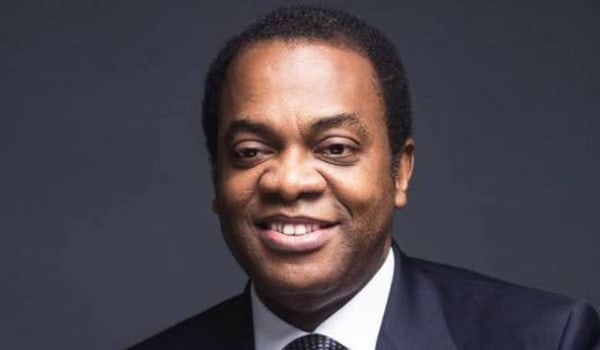
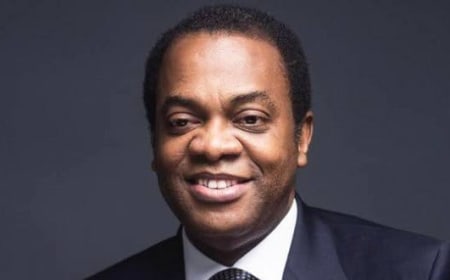
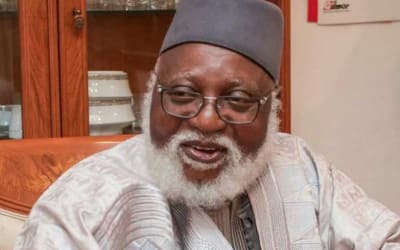
Former Cross River State Governor and Peoples Redemption Party (PRP) presidential candidate, Donald Duke, has called on opposition parties to put aside their differences and work towards a common political vision ahead of the 2027 general elections. Duke made the call on Tuesday, November 10, 2026, in Abuja, during the unveiling of the PRP's manifesto titled A Compact for Nigeria's Renewal. He warned that opposition parties risk repeating the political mistakes of the 2023 elections if they allow individual ambitions to undermine efforts towards unity.

Abdulsalami’s Peace Committee Raises Alarm Over 109 Electoral Accord Breaches Ahead of 2027
politics

Abdulsalami’s Peace Committee Raises Alarm Over 109 Electoral Accord Breaches Ahead of 2027

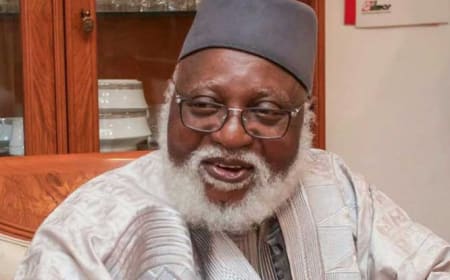
Nigeria’s preparations for the 2027 general elections have come under fresh scrutiny following a report by the National Peace Committee, led by former Head of State, General Abdulsalami Abubakar (retd.), documenting 109 violations of the National Peace Accord across 26 states and the Federal Capital Territory (FCT). The violations were recorded over a 10-week period between August 19 and October 27, 2026, highlighting concerns about political violence, intimidation and misinformation ahead of the elections.

The Talking Drum: When Music Became a Language
arts

The Talking Drum: When Music Became a Language

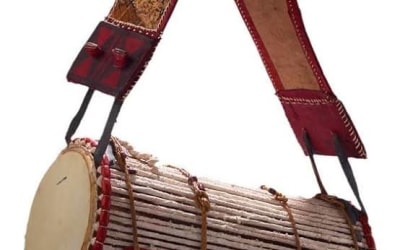
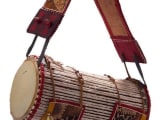
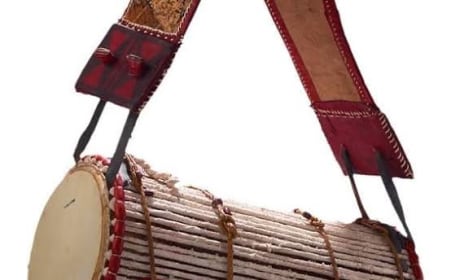
Unlike ordinary drums that produce relatively fixed pitches, the Yoruba talking drum has a distinctive hourglass shape, with cords running along its sides. By squeezing these cords while striking the drum, the player can alter its pitch, producing sounds that rise and fall in ways that imitate the tones of spoken language. This is particularly important in Yoruba, a tonal language in which the pitch used when pronouncing a word can change its meaning. Skilled drummers use this understanding to reproduce familiar expressions, praise poetry, proverbs and other forms of communication.

Comments (0)

Leave a Comment

0/1000
Loading comments...

Africa Needs More Leaders, Not Politicians

Africa Needs More Leaders, Not Politicians

Africa Needs More Leaders, Not Politicians

In recent years, Africa has been ruled by politicians who see their seats as an entitlement. They do not treat the office as something earned through study, hard work, or service to the people. They treat it as a birthright, something that should be handed to them because of their loyalty to a party or a political seat. To them, politics is a game that keeps the rich and their circle rich, and the seat is the reward.

It was not always this way. In earlier years, Africa had leaders with a vision, a plan, and a blueprint. They had a future in mind for their nation and for the continent, and that future included the youths, the elderly, and the people not yet born. They drew a picture of how every child in their country should grow up, think, and stand in the world. They understood poverty, suffering, and pain, and they worked to make sure their people never had to walk that road again. They knew that politics would not save a nation, but leadership would.

The Leaders Who Came Before

When Africans were lost under colonial rule, people rose to lead them out. Here are a few of them, and what they did with the power they held.

1000928613

Kwame Nkrumah led the Gold Coast to independence on 6 March 1957, and Ghana became the first sub-Saharan African country to break free from colonial rule. He backed the Volta River hydropower project that produced the Akosombo Dam, completed in 1965.

1000928616

Obafemi Awolowo, as Premier of Nigeria's Western Region, introduced free primary education in 1955, along with free healthcare for children. His government also launched Western Nigeria Television in 1959, the first television station in Africa. In 1958/59, the region reportedly put over 40 percent of its recurrent budget into education, and that choice shaped generations.

1000928621

Julius Nyerere led Tanzania after independence, promoted Swahili as a common language across a country of more than a hundred ethnic groups, and pushed education and literacy. In 1985, he stepped down from the presidency voluntarily.

1000928632

Thomas Sankara led Burkina Faso for only four years, from 1983 until his assassination at 37 in 1987. In November 1984, his government vaccinated about 2.5 million children against meningitis, yellow fever, and measles in 15 days. It planted millions of trees to hold back the advance of the Sahara, and he sold the government's fleet of Mercedes cars and chose cheaper vehicles for officials.

1000928639

Nelson Mandela spent 27 years in prison and then led South Africa out of apartheid as its president from 1994 to 1999. He served a single term and stepped aside, and he backed a Truth and Reconciliation Commission to help a divided nation face its past.

None of them were perfect, and historians still debate parts of their records. What they shared was a plan for their people, and the willingness to put the nation ahead of themselves.

With time, the tables turned. History was swiped and passed to another group of people called politicians. Large parts of Africa have fallen back, directly and indirectly, into the hands of the very powers we were once led out from. An African proverb, popularised by Chinua Achebe, says that until the lions have their own historians, the story of the hunt will always glorify the hunter. Africa is writing its own history again, and it deserves authors who care about the ending.

Right now, Africa does not need more politicians. We have had enough, and we are tired of the endless parties. We need leaders in every field, in every position, in every seat, and in every government. We need people who are ready to hold the hands of Africa, the born and the unborn, and lead us onto the path of the light that was lost, and put Africa back on the map.

Our lives are not a game, and they are not rewards to hand out for loyalty to a party. Our lives are worth planning for. There is a saying that those who do not value lives have no plan to improve them. This is a crucial time for Africa. The world is moving fast, and Africa cannot be left behind.

We need people ready to shape what politics is meant to do. Politics should not steal or scavenge from what is left. It should take what is left and build for what is coming.

For Nigeria especially, this is a crucial moment to choose a leader and not a politician. Africa needs more leaders, not politicians. And we can help put the leaders we want in those seats.

©️ Okon David Ekanem @TalkAfrica.com.
Share this article

Comments (0)

Leave a Comment

0/1000
Loading comments...