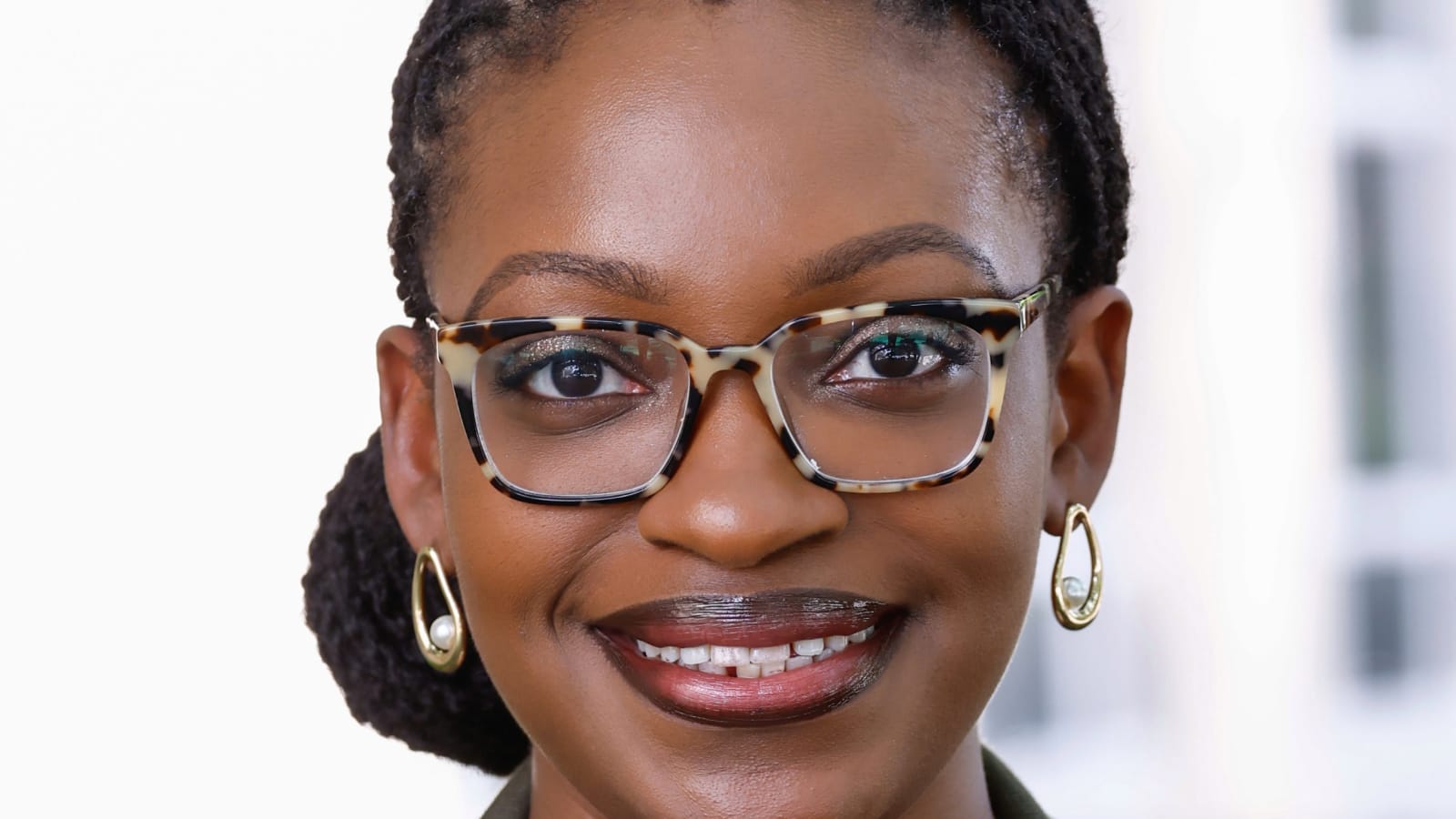
Dr. Chinasa T. Okolo: The Nigerian-American Scientist Making Sure Africa Is Not Left Out Of AI
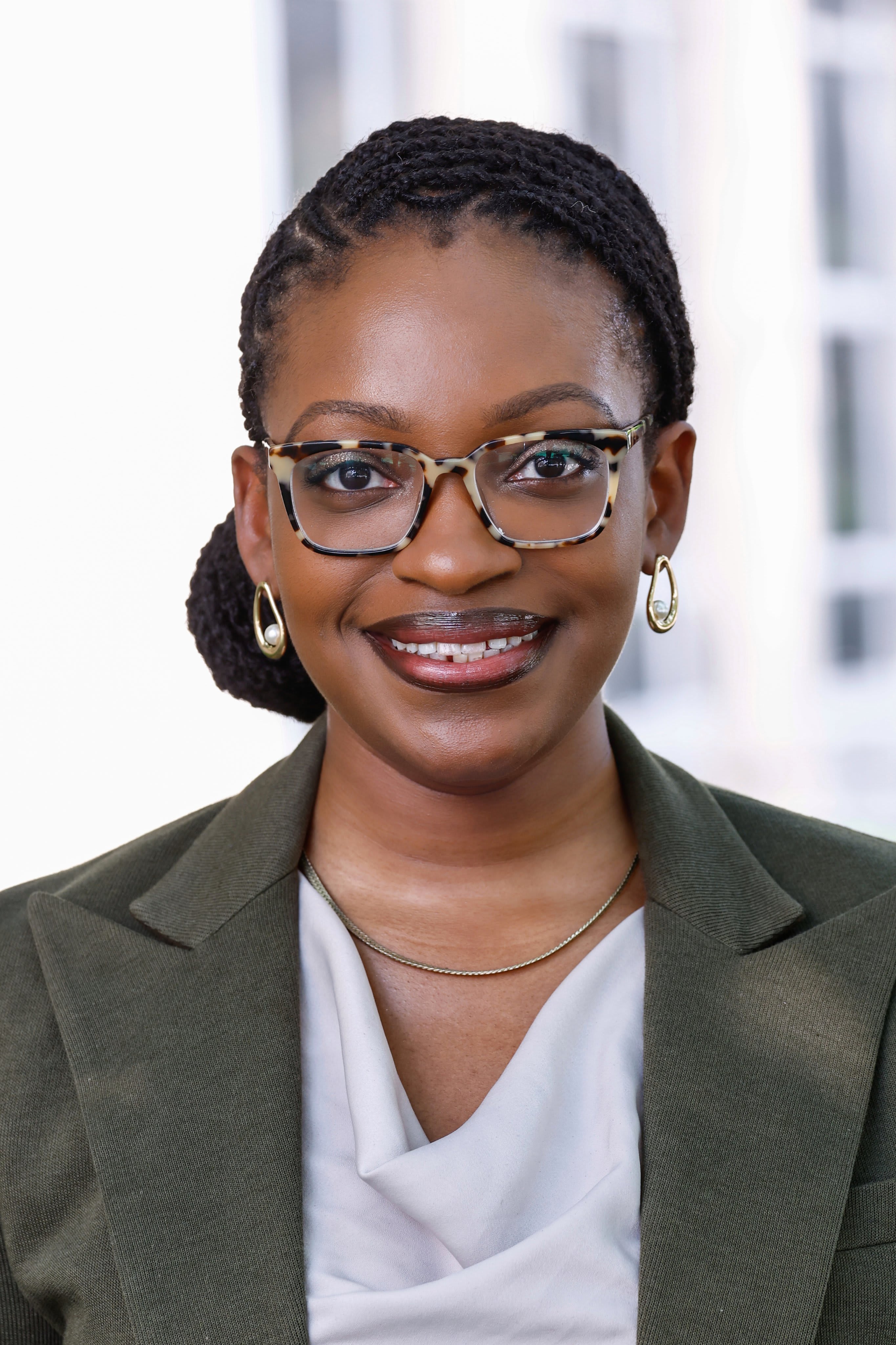
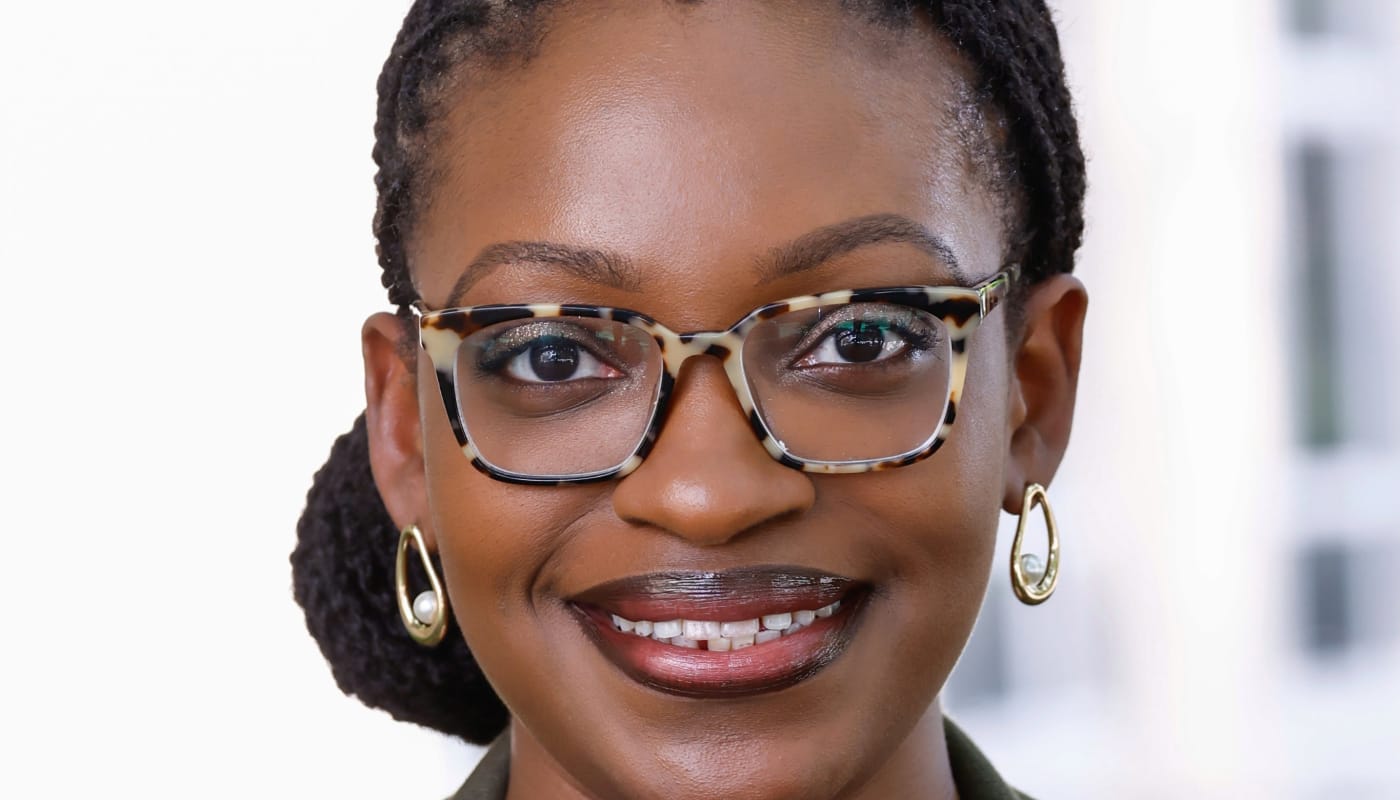
When TIME released its second annual TIME100 AI list in September 2024, one name stood out for readers who care about where this technology is heading and who it is being built for. Dr. Chinasa T. Okolo, a Nigerian-American computer scientist, was named among the 100 most influential people in artificial intelligence. Her work asks a direct question of an industry racing ahead in Silicon Valley: who gets to shape AI, and who gets left to live with the results?
From Computer Science To Global Policy
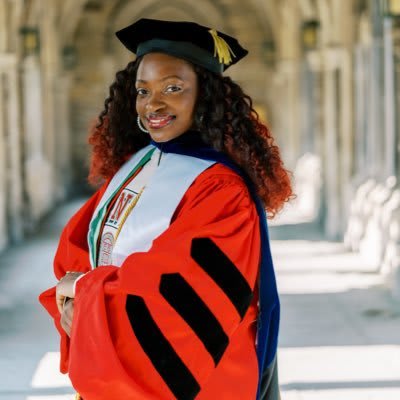
Okolo earned her bachelor's degree at Pomona College in 2018 and a PhD in computer science at Cornell University in 2023. Her early research used ethnographic methods to study how people in the Global South view and use AI in healthcare. She later worked in research roles at Apple and Microsoft before moving into policy.
She joined the Brookings Institution as a fellow in its Center for Technology Innovation, where she wrote about AI governance, data regulation, and the effects of AI on Africa. Her pieces include analysis on reforming data regulation to advance AI governance in Africa and on the challenges that slow down AI adoption across the continent.
Okolo is now the founder and scientific director of Technēculturǎ, an organisation centred on AI governance and safety for what she calls the Global Majority, meaning the billions of people outside the wealthiest countries who are often absent from the rooms where AI rules are written. She also serves as a policy specialist at the United Nations Office for Digital and Emerging Technologies, advises governments, multilateral institutions, and nonprofits, and was named to the inaugural Forbes 30 Under 30 AI list in 2025.
Her research focuses on AI governance and safety for the Global Majority, datafication and algorithmic marginalisation, and the geopolitical effects of AI. In a 2025 commentary, she argued that AI safety is a misnomer without the inclusion of the Global Majority.
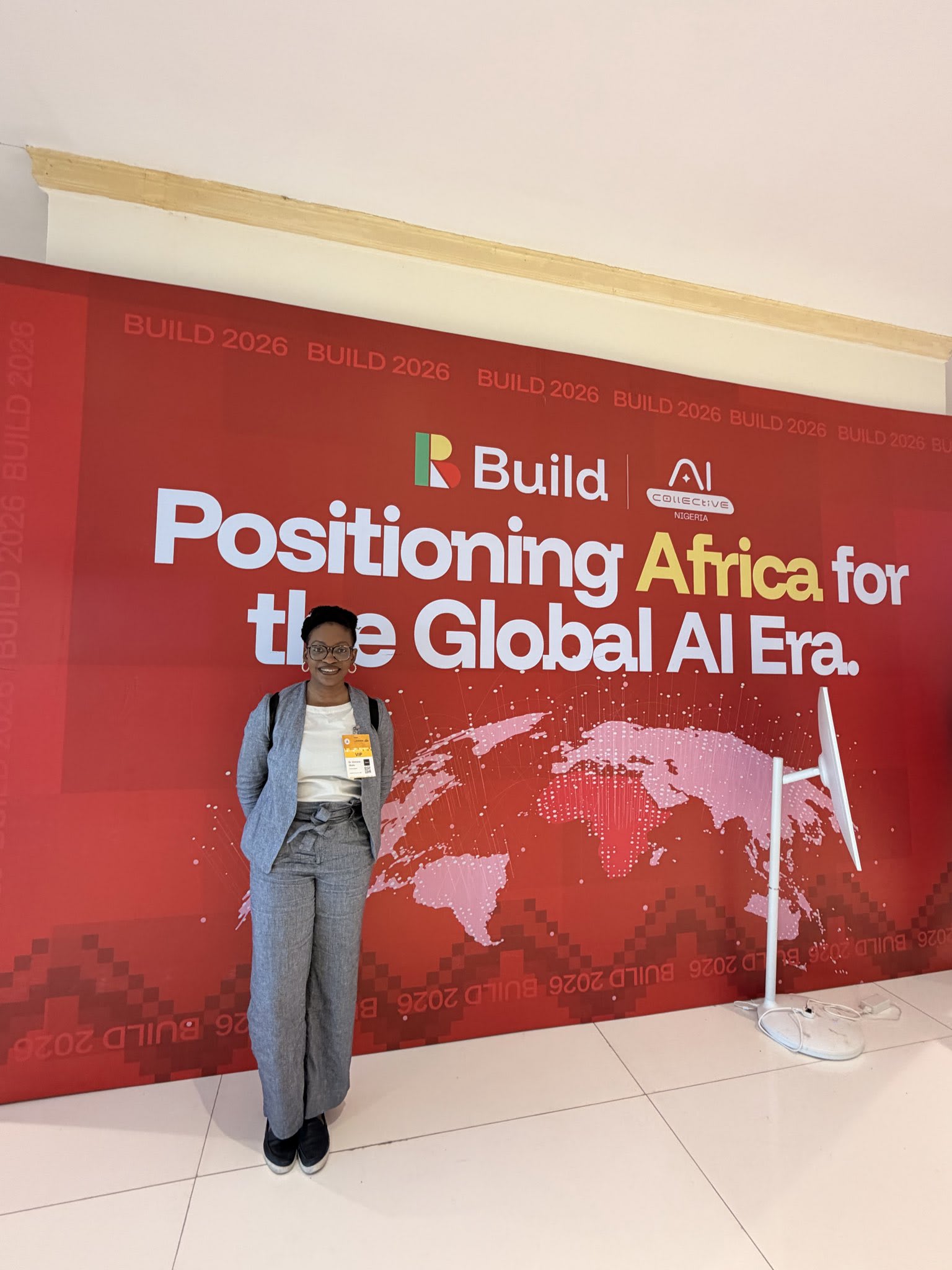
AI tools are already being used in schools, banks, clinics, and newsrooms across Africa, usually trained on data from somewhere else and built by people who may never visit these communities. When the systems misread a Nigerian accent, ignore an African language, or deny a loan because of patterns learned elsewhere, the harm lands on real families. Okolo's work pushes for African data to be protected, African voices to be present in policy, and African researchers to hold influence over how the technology develops.
©️ Okon David Ekanem @TalkAfrica.com.




Comments (0)
Leave a Comment