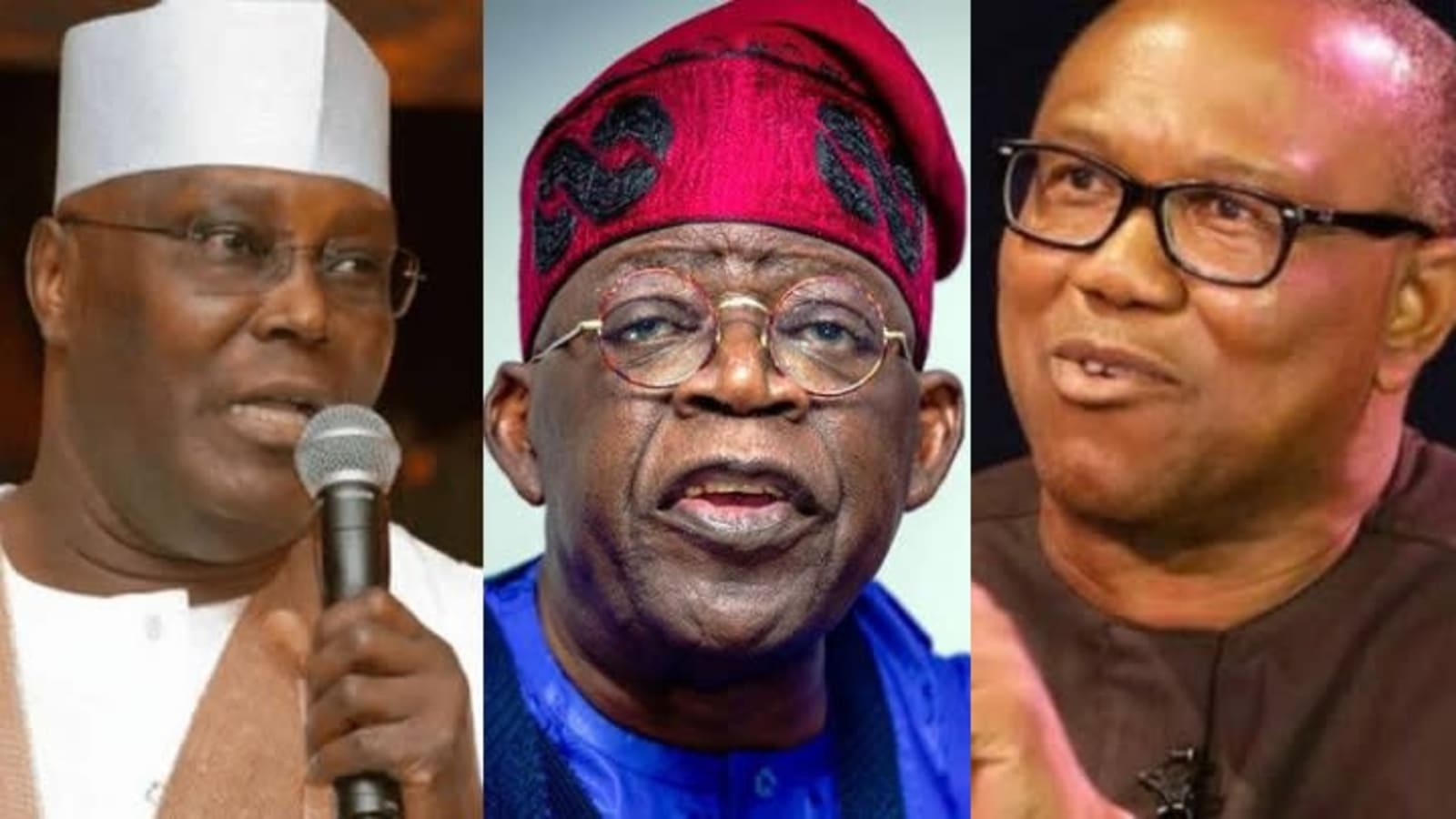
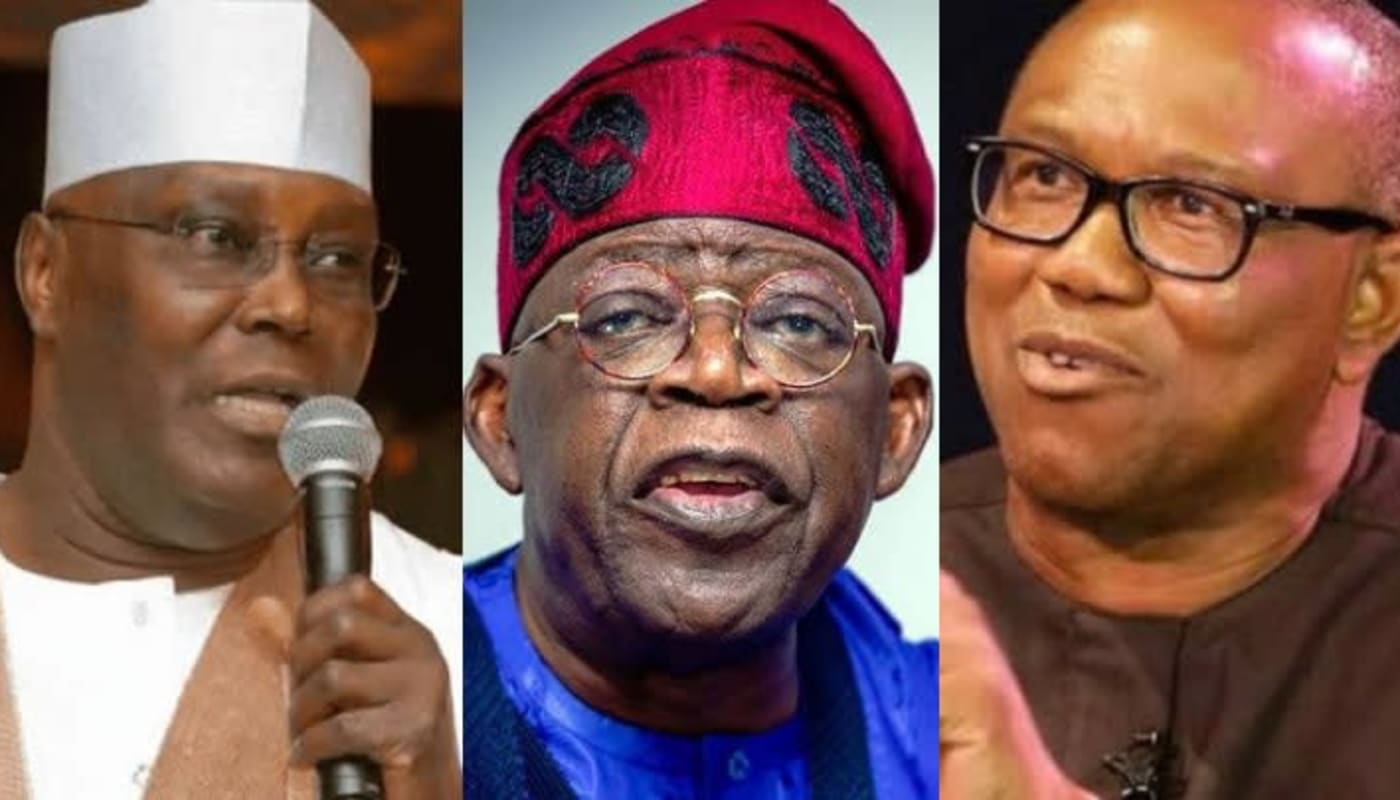
Electricity supply has emerged as another issue of debate ahead of Nigeria’s 2027 general elections, with President Bola Tinubu’s administration defending its performance in the power sector, former Vice President Atiku Abubakar questioning the impact of its reforms, and Peter Obi outlining a target of at least 10,000 megawatts (MW) if elected president.
The disagreement followed renewed criticism of Tinubu’s 2023 campaign promise to ensure stable electricity supply across the country and address the problem of estimated billing.
Defending the administration’s record, Minister of Solid Minerals and spokesperson of the All Progressives Congress (APC) Presidential Campaign Council, Dele Alake, said Tinubu remained committed to improving electricity supply despite the challenges facing the sector.
Alake pointed to the Electricity Act 2023, the Presidential Metering Initiative, investments in transmission infrastructure and a government bond programme designed to settle outstanding debts owed to electricity generation and gas companies.
According to him, more than 1.5 million electricity customers have been metered under the administration’s initiative, while the ₦4 trillion bond programme is intended to address verified legacy debts in the power sector.
He also cited the participation of state governments in electricity regulation following the Electricity Act, which allows states to develop their own electricity markets.
However, Atiku rejected the administration’s defence, arguing that policy announcements, legislation and financial interventions had not translated into reliable electricity for households and businesses.
The former Vice President said Nigerians continued to spend heavily on alternative sources of electricity while struggling with rising energy costs. He also questioned the existing electricity tariff structure, arguing that consumers should not be charged higher rates without receiving a corresponding improvement in supply.
Atiku further demanded clarification on the Federal Government’s plan to phase out electricity subsidies from 2027, warning that the decision could create additional financial pressure for households and businesses.
He called for a more transparent and affordable tariff system, with electricity distribution companies held accountable for the quality of service delivered to consumers.
Meanwhile, Peter Obi, presidential candidate of the Nigeria Democratic Congress (NDC), has promised to generate, transmit and distribute at least 10,000MW of electricity if elected in 2027.
Obi made the commitment during a town hall meeting in Enugu, where he identified reliable electricity as essential to industrial growth, employment generation and economic development.
He argued that improving power supply would help businesses operate more efficiently and create an environment for industries to expand.
Beyond the political disagreement, former Minister of Power, Professor Bart Nnaji, has argued that Nigeria needs at least 100,000MW to achieve significant economic growth. He attributed the sector’s persistent challenges to inadequate gas supply, infrastructure limitations, government debts and problems associated with the 2013 electricity privatisation exercise.
Nigeria's electricity challenges have remained a major concern for households, businesses and industries, with insufficient generation, transmission limitations and distribution problems affecting the supply of power across the country.
As political activities gradually gather momentum ahead of 2027, the competing positions have brought electricity back into the national political conversation. Beyond campaign promises and proposed targets, Nigerians will be looking for clear plans on how generation, transmission and distribution can improve and translate into more reliable electricity.
© 2026 Aliu Azeema |
TalkAfricang.com






Comments (0)
Leave a Comment