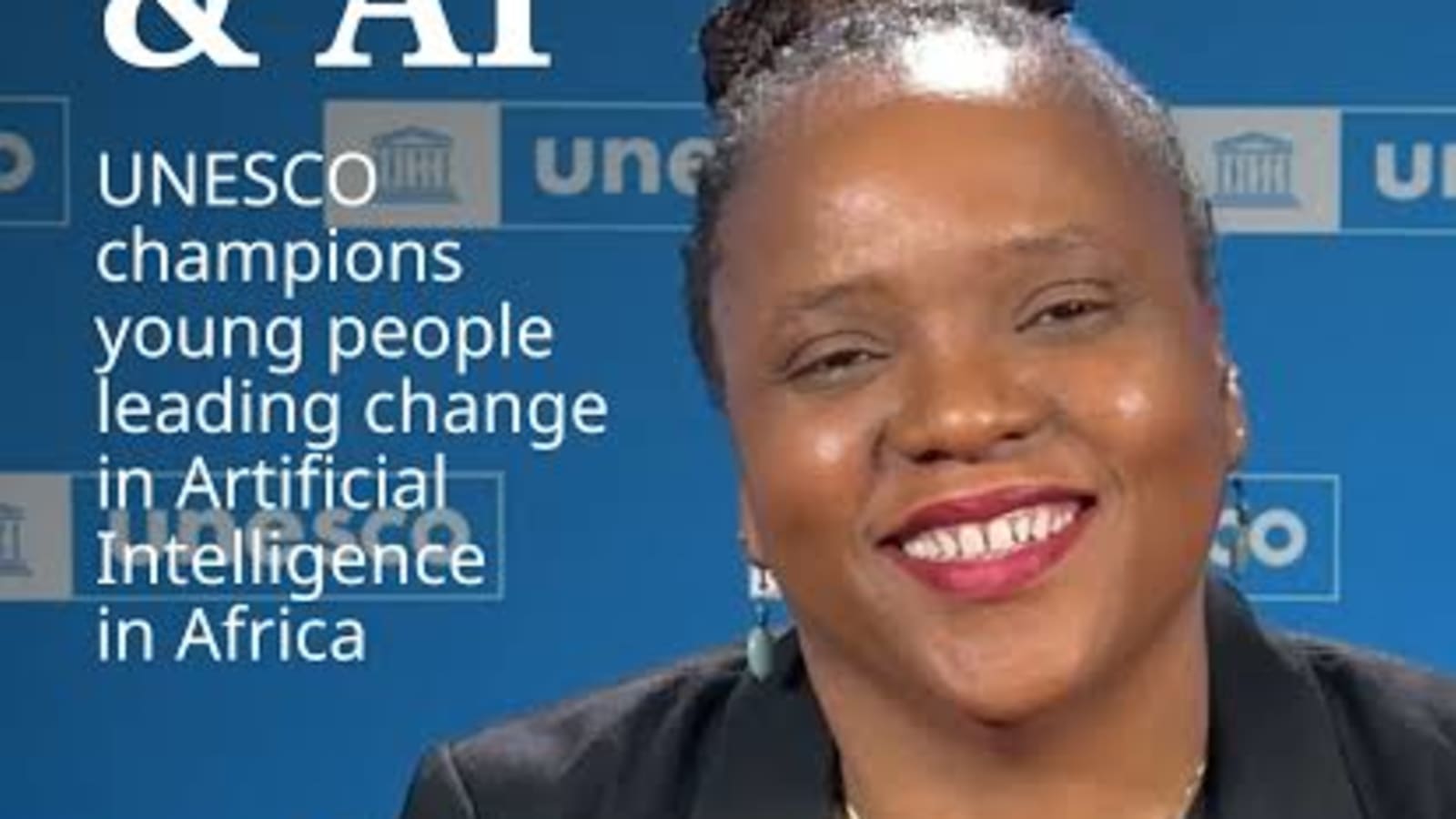
African giant of the week: Dr. Kutoma Wakunuma, the African Scholar Shaping the Ethics of Artificial Intelligence.

African giant of the week: Dr. Kutoma Wakunuma, the African Scholar Shaping the Ethics of Artificial Intelligence.

As artificial intelligence continues to transform industries, economies and everyday life, an important question remains, who gets to decide how these technologies are developed, whose interests do they serve, and whose values are represented?

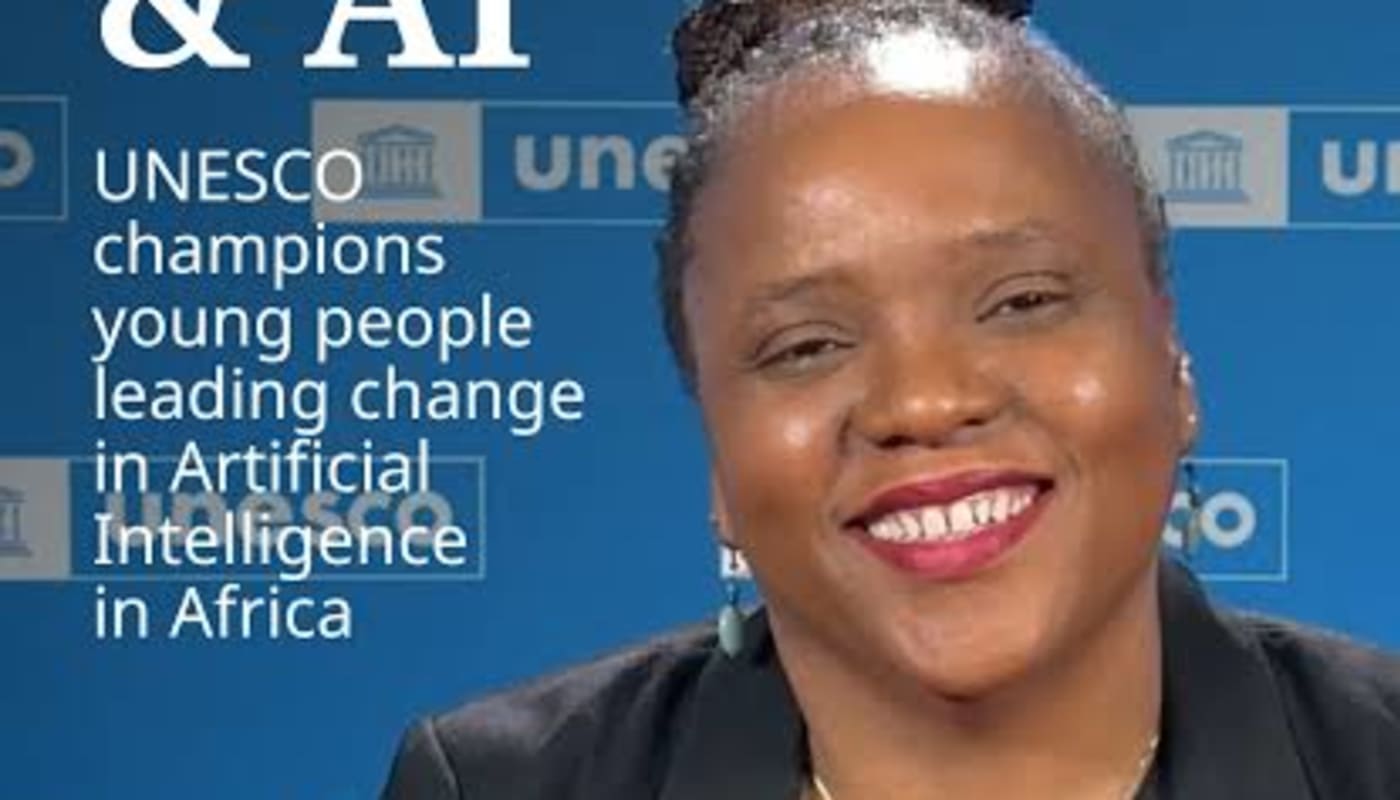
For Dr. Kutoma Wakunuma, these questions are at the heart of her work. A Zambian scholar and Associate Professor at De Montfort University's Digital Future Institute in the United Kingdom, Wakunuma is contributing to global conversations on responsible innovation, technology governance and the ethical implications of emerging technologies, with particular attention to the experiences of both the Global North and Global South.

Her work is especially significant for Africa, where the adoption of artificial intelligence presents enormous opportunities but also raises questions about data protection, privacy, representation, accessibility and the risk of technological inequality.

Through her research and publications, Wakunuma has consistently pushed for an AI ecosystem that considers the realities and interests of African societies rather than treating the continent as a passive consumer of technologies developed elsewhere.
images (35)

She has co-edited influential publications, including Responsible AI in Africa: Challenges and Opportunities and Trustworthy AI: African Perspectives. She is also working on a handbook on decolonising artificial intelligence, an area of growing importance in discussions about how historical inequalities and dominant global perspectives influence technological development.

Beyond academia, her contributions have found their way into policy and governance. As a European Commission Ethics Expert and Evaluator, she brings her expertise to the assessment of ethical considerations in research and innovation. She is also affiliated with the Centre for AI and Digital Policy's Global Academic Network and UNESCO's Women for Ethical AI, where she serves on its Multi-Stakeholder Coordination Group. She is equally a member of UNESCO's AI Ethics Experts Without Borders.

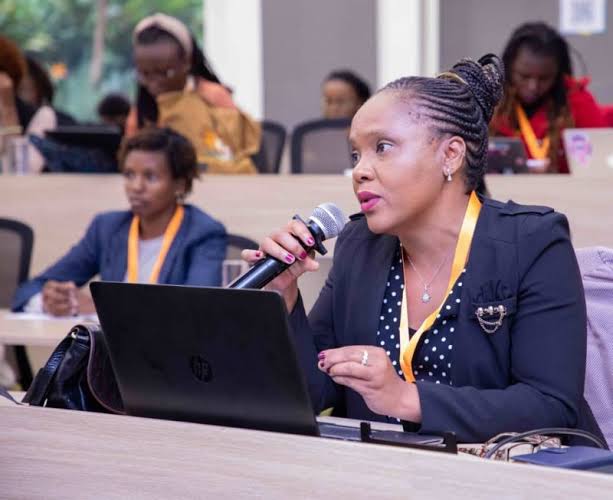
Her influence is not limited to international memberships and academic publications. Wakunuma has facilitated AI training workshops for parliamentarians, policymakers and civil society organisations in the Global South. In Zambia, her work has contributed to the country's National AI Strategy, bringing critical perspectives on responsible AI, inclusion, diversity and equitable access to emerging technologies.

Her expertise has also taken her to prominent international platforms, including the United Nations Science Summit, the UN Academic Impact Commission, UNESCO's International Women's Day high-level dialogue and the African Union Development Agency-NEPAD conference on AI for Healthcare in Africa.

In 2025, her contributions earned her recognition among the Top 100 Brilliant Women in AI Ethics by Women in AI Ethics, placing her among women whose work is helping shape the future of responsible artificial intelligence.

At a time when technological advancement is often measured by speed, efficiency and economic returns, Wakunuma's work draws attention to another equally important consideration: the human consequences of innovation.

Her advocacy for inclusive and globally representative AI conversations is a reminder that Africa's place in the future of technology should extend beyond adoption and consumption. The continent must also have a voice in shaping the principles, policies and decisions that determine how these technologies serve humanity.

Through research, policy engagement and international advocacy, Dr. Kutoma Wakunuma continues to contribute to that conversation, ensuring that ethics, inclusion and African perspectives remain part of the future being built.
Share this article

Keep Reading

More stories you might find interesting

Donald Duke Offers to Step Down for Consensus Candidate, Calls for Opposition Unity
politics

Donald Duke Offers to Step Down for Consensus Candidate, Calls for Opposition Unity

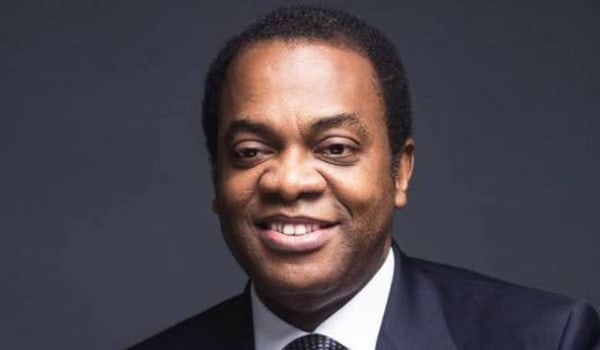
Former Cross River State Governor and Peoples Redemption Party (PRP) presidential candidate, Donald Duke, has called on opposition parties to put aside their differences and work towards a common political vision ahead of the 2027 general elections. Duke made the call on Tuesday, November 10, 2026, in Abuja, during the unveiling of the PRP's manifesto titled A Compact for Nigeria's Renewal. He warned that opposition parties risk repeating the political mistakes of the 2023 elections if they allow individual ambitions to undermine efforts towards unity.

Abdulsalami’s Peace Committee Raises Alarm Over 109 Electoral Accord Breaches Ahead of 2027
politics

Abdulsalami’s Peace Committee Raises Alarm Over 109 Electoral Accord Breaches Ahead of 2027

Nigeria’s preparations for the 2027 general elections have come under fresh scrutiny following a report by the National Peace Committee, led by former Head of State, General Abdulsalami Abubakar (retd.), documenting 109 violations of the National Peace Accord across 26 states and the Federal Capital Territory (FCT). The violations were recorded over a 10-week period between August 19 and October 27, 2026, highlighting concerns about political violence, intimidation and misinformation ahead of the elections.

Japa and the Houses Left Behind
animated-folktales

Japa and the Houses Left Behind

In Yoruba, "japa" means to run away, to escape in a hurry. Nigerians have turned the word into a name for something bigger: the decision to leave the country for school, for work, or for a life that seems to promise more. Nurses go, engineers go, students go, and sometimes a whole family goes together. Most of the talk about japa is about visas, exchange rates and salaries. Far less is said about the house the person walked out of, and the people still sitting inside it.

Comments (0)

Leave a Comment

0/1000
Loading comments...

African giant of the week: Dr. Kutoma Wakunuma, the African Scholar Shaping the Ethics of Artificial Intelligence.

African giant of the week: Dr. Kutoma Wakunuma, the African Scholar Shaping the Ethics of Artificial Intelligence.

As artificial intelligence continues to transform industries, economies and everyday life, an important question remains, who gets to decide how these technologies are developed, whose interests do they serve, and whose values are represented?

For Dr. Kutoma Wakunuma, these questions are at the heart of her work. A Zambian scholar and Associate Professor at De Montfort University's Digital Future Institute in the United Kingdom, Wakunuma is contributing to global conversations on responsible innovation, technology governance and the ethical implications of emerging technologies, with particular attention to the experiences of both the Global North and Global South.

Her work is especially significant for Africa, where the adoption of artificial intelligence presents enormous opportunities but also raises questions about data protection, privacy, representation, accessibility and the risk of technological inequality.

Through her research and publications, Wakunuma has consistently pushed for an AI ecosystem that considers the realities and interests of African societies rather than treating the continent as a passive consumer of technologies developed elsewhere.

images (35)

She has co-edited influential publications, including Responsible AI in Africa: Challenges and Opportunities and Trustworthy AI: African Perspectives. She is also working on a handbook on decolonising artificial intelligence, an area of growing importance in discussions about how historical inequalities and dominant global perspectives influence technological development.

Beyond academia, her contributions have found their way into policy and governance. As a European Commission Ethics Expert and Evaluator, she brings her expertise to the assessment of ethical considerations in research and innovation. She is also affiliated with the Centre for AI and Digital Policy's Global Academic Network and UNESCO's Women for Ethical AI, where she serves on its Multi-Stakeholder Coordination Group. She is equally a member of UNESCO's AI Ethics Experts Without Borders.

Her influence is not limited to international memberships and academic publications. Wakunuma has facilitated AI training workshops for parliamentarians, policymakers and civil society organisations in the Global South. In Zambia, her work has contributed to the country's National AI Strategy, bringing critical perspectives on responsible AI, inclusion, diversity and equitable access to emerging technologies.

Her expertise has also taken her to prominent international platforms, including the United Nations Science Summit, the UN Academic Impact Commission, UNESCO's International Women's Day high-level dialogue and the African Union Development Agency-NEPAD conference on AI for Healthcare in Africa.

In 2025, her contributions earned her recognition among the Top 100 Brilliant Women in AI Ethics by Women in AI Ethics, placing her among women whose work is helping shape the future of responsible artificial intelligence.

At a time when technological advancement is often measured by speed, efficiency and economic returns, Wakunuma's work draws attention to another equally important consideration: the human consequences of innovation.

Her advocacy for inclusive and globally representative AI conversations is a reminder that Africa's place in the future of technology should extend beyond adoption and consumption. The continent must also have a voice in shaping the principles, policies and decisions that determine how these technologies serve humanity.

Through research, policy engagement and international advocacy, Dr. Kutoma Wakunuma continues to contribute to that conversation, ensuring that ethics, inclusion and African perspectives remain part of the future being built.

Share this article

Comments (0)

Leave a Comment

0/1000
Loading comments...