Beyond the Niger-Benue Confluence: Discovering the History, Heritage and Culture of the Igala People

Beyond the Niger-Benue Confluence: Discovering the History, Heritage and Culture of the Igala People

In the heart of North-Central Nigeria, where the waters of the Niger and Benue rivers meet, lies a people whose history, traditions and cultural identity have endured for generations. They are the Igala people of Kogi State, an ethnic group with a fascinating royal heritage, a distinctive language, rich cultural practices and a story that continues to evolve.

Predominantly found in Kogi East Senatorial District, the Igala people have their historical and traditional headquarters in Idah, a town situated along the River Niger. Their kingdom is one of the notable traditional political institutions in Nigeria, with a history that stretches back several centuries.
lv_0_20261103135646_1

At the centre of this heritage is the Attah Igala, the revered traditional ruler and custodian of the kingdom's cultural identity. The institution has played an important role in the political, social and cultural development of the people.

Among the historical figures associated with the throne is Attah Ameh Oboni, remembered for his resistance to British colonial authority. A popular account of his legacy tells of his refusal to bow to Queen Elizabeth II during her 1956 visit to Nigeria, although the precise details of that encounter remain historically disputed. Nevertheless, his name continues to occupy an important place in discussions about Igala royal courage, dignity and resistance.

The story of Princess Inikpi is another significant part of Igala history. According to popular oral tradition, she offered her life to save the kingdom during a threatened war with the Benin Kingdom. Her story has been preserved through generations and remains one of the most recognised accounts of sacrifice and devotion in Igala heritage.

Beyond its royal institution, the Igala identity is deeply connected to language. Igala, the people's indigenous language, is an important carrier of their history, values, expressions and traditional knowledge. It is spoken across communities in Kogi East, with regional variations that reflect the geographical and historical interactions of different communities.

One academic classification identifies nine varieties: Akpanya, Ankpa, Ibaji, Idah, Ife, Imane, Ogwugwu, Dekina and Central Igala. Although these varieties have their differences, they remain connected by a shared linguistic and cultural identity.

The Igala language is more than a means of communication. It carries traditional greetings, proverbs, songs, names and expressions that have helped preserve the people's identity over generations.

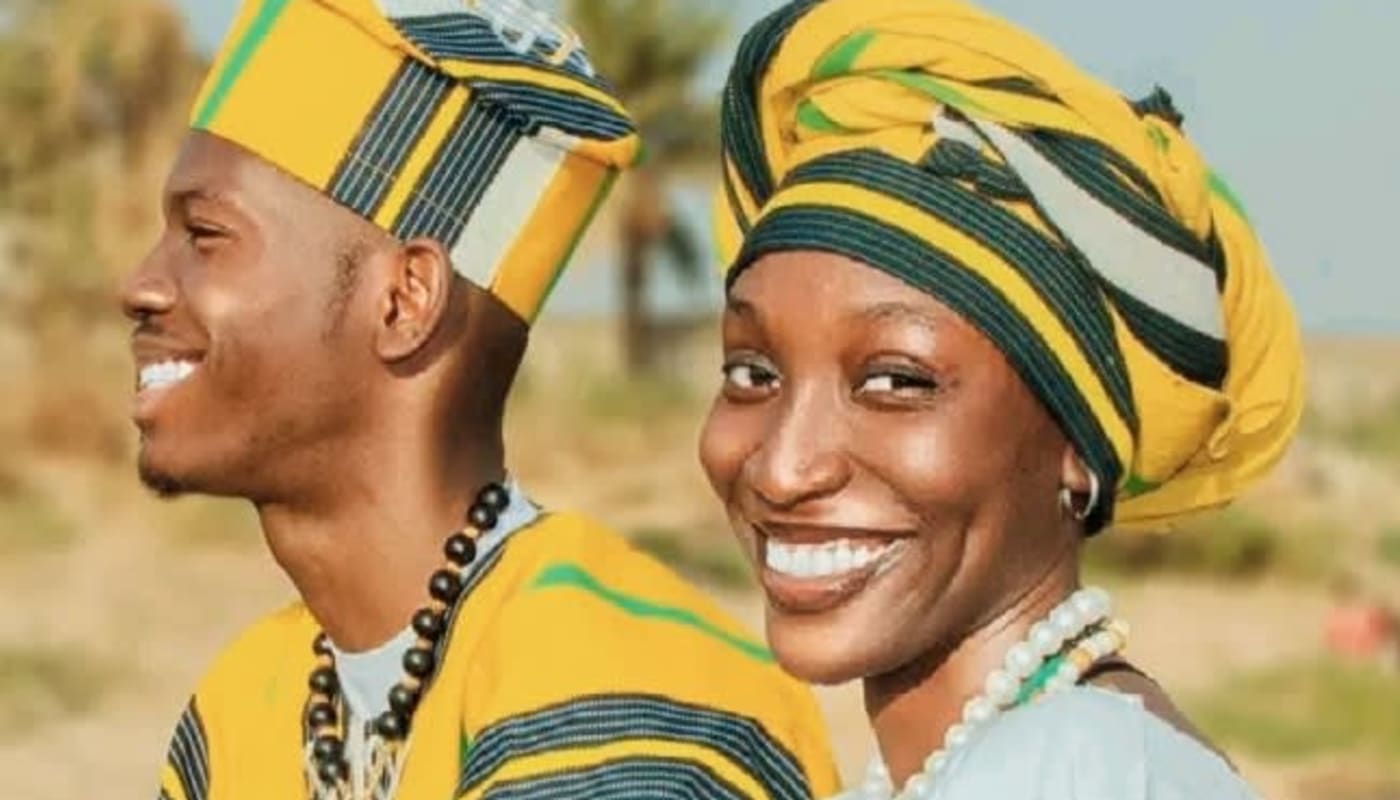
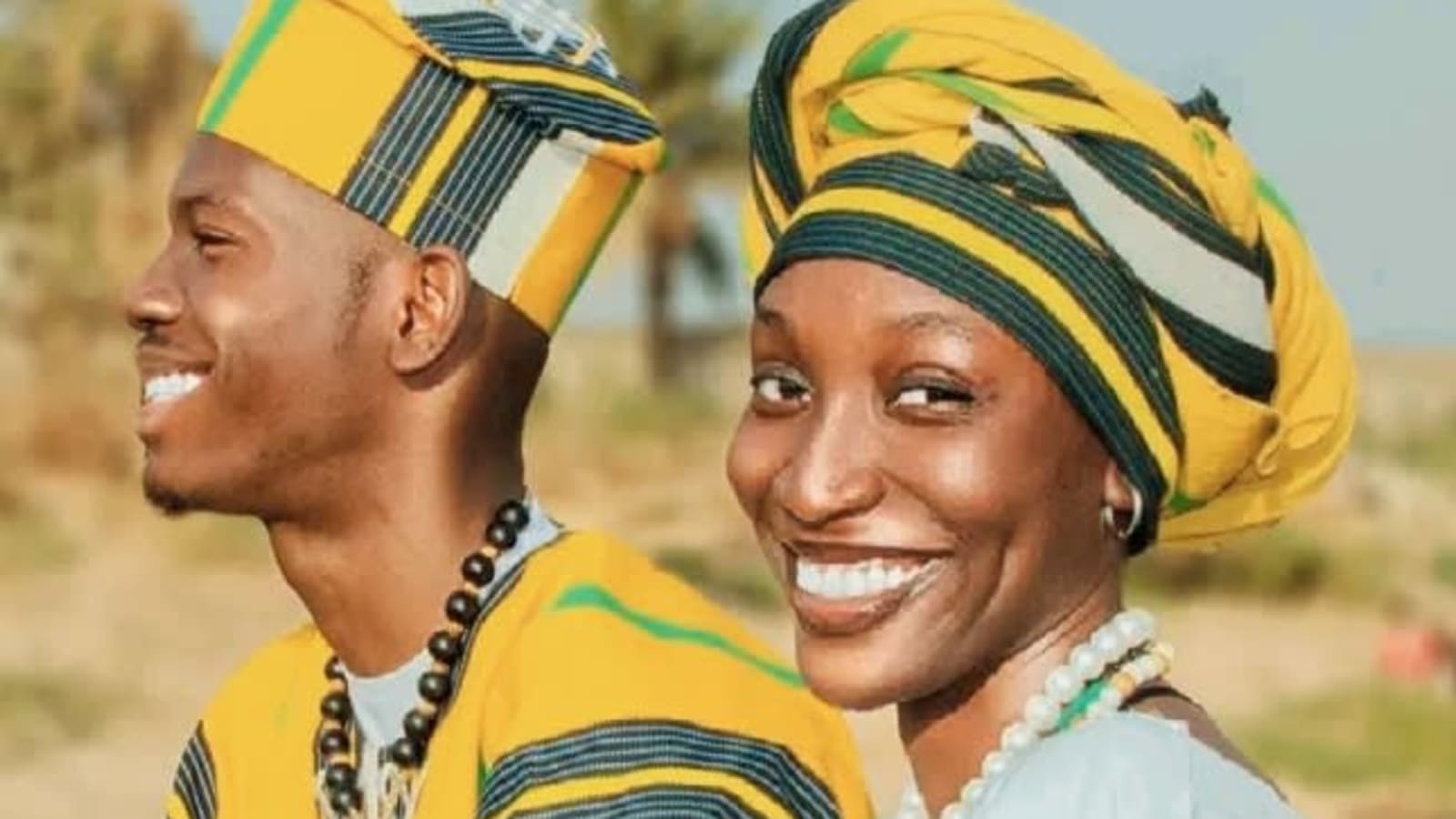
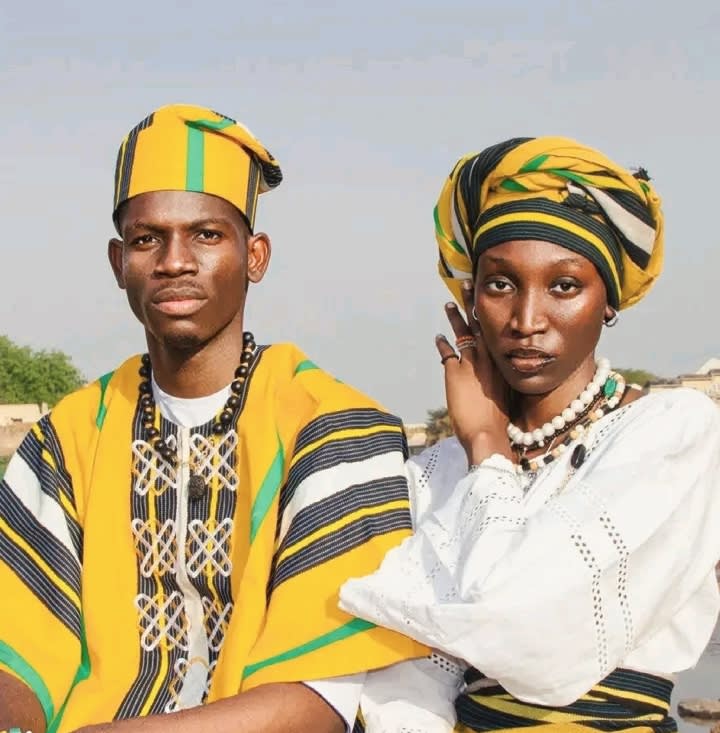
Their culture is equally visible in their dressing. The Igala Achi, a distinctive traditional fabric, is recognised by its characteristic black and yellow or gold patterns, sometimes complemented by white, blue and green. These colours are associated with different aspects of Igala identity, including the richness of the land, hospitality, peace and prosperity.

Traditional ceremonies, particularly marriage celebrations, also provide a window into the people's heritage. Igala traditional marriages involve family introductions, negotiations, the presentation of marriage items and the formal acceptance of the bride by her family. Beyond the celebrations, these customs reflect the importance of family relationships, mutual responsibility and community participation.

Food is another beautiful expression of Igala culture. With a history closely connected to farming and fishing, the people have developed distinctive local delicacies. Ogidigbo, a corn-based delicacy, Ijobu and Omaidi are among the traditional foods associated with Igala communities. Yam, cassava, maize and other locally cultivated crops also feature prominently in their food culture.

The Ocho New Yam Festival is another important cultural event, celebrating the harvest and the significance of yam in the people's agricultural and traditional life. Festivals, traditional performances, music and masquerade displays provide opportunities for communities to reconnect with their heritage and pass cultural knowledge to younger generations.

The Igala homeland is also blessed with considerable natural resources. Kogi State, particularly its eastern axis, is known for coal deposits, while the wider state has significant mineral resources, including iron ore, limestone, tin, marble and other solid minerals. Agriculture, fishing and trade have also contributed to the economic life of communities across the region.

However, the story of the Igala people is not confined to their past or traditional institutions. Over the years, members of the community have continued to establish themselves across different sectors of Nigerian society and beyond. From entertainment and content creation to politics, journalism, business, sports, technology and the creative industries, Igala sons and daughters are contributing to conversations and developments that extend beyond their ancestral homeland.

Like many communities, the Igala people have experienced changes in language use, lifestyle, education and cultural expression as society evolves. Yet, their traditional institutions, festivals, family customs, language and cultural symbols remain important markers of their identity.

Their history is one of kingdoms, leadership, sacrifice and interaction with neighbouring communities. Their present is one of growth, enterprise and participation in a changing society. And their future depends, in part, on how successfully the next generation preserves the stories, values and traditions that make their heritage distinct.

To understand the Igala people is to encounter more than an ethnic group in Kogi State. It is to discover a people whose identity is woven into the history of the Niger-Benue confluence, whose traditions have survived generations and whose cultural heritage remains an important part of Nigeria's diverse story.


Filed under: culture

Share this article

Comments (0)

Leave a Comment

0/1000
Loading comments...

Beyond the Niger-Benue Confluence: Discovering the History, Heritage and Culture of the Igala People

Beyond the Niger-Benue Confluence: Discovering the History, Heritage and Culture of the Igala People

In the heart of North-Central Nigeria, where the waters of the Niger and Benue rivers meet, lies a people whose history, traditions and cultural identity have endured for generations. They are the Igala people of Kogi State, an ethnic group with a fascinating royal heritage, a distinctive language, rich cultural practices and a story that continues to evolve.

Predominantly found in Kogi East Senatorial District, the Igala people have their historical and traditional headquarters in Idah, a town situated along the River Niger. Their kingdom is one of the notable traditional political institutions in Nigeria, with a history that stretches back several centuries.

lv_0_20261103135646_1

At the centre of this heritage is the Attah Igala, the revered traditional ruler and custodian of the kingdom's cultural identity. The institution has played an important role in the political, social and cultural development of the people.

Among the historical figures associated with the throne is Attah Ameh Oboni, remembered for his resistance to British colonial authority. A popular account of his legacy tells of his refusal to bow to Queen Elizabeth II during her 1956 visit to Nigeria, although the precise details of that encounter remain historically disputed. Nevertheless, his name continues to occupy an important place in discussions about Igala royal courage, dignity and resistance.

The story of Princess Inikpi is another significant part of Igala history. According to popular oral tradition, she offered her life to save the kingdom during a threatened war with the Benin Kingdom. Her story has been preserved through generations and remains one of the most recognised accounts of sacrifice and devotion in Igala heritage.

Beyond its royal institution, the Igala identity is deeply connected to language. Igala, the people's indigenous language, is an important carrier of their history, values, expressions and traditional knowledge. It is spoken across communities in Kogi East, with regional variations that reflect the geographical and historical interactions of different communities.

One academic classification identifies nine varieties: Akpanya, Ankpa, Ibaji, Idah, Ife, Imane, Ogwugwu, Dekina and Central Igala. Although these varieties have their differences, they remain connected by a shared linguistic and cultural identity.

The Igala language is more than a means of communication. It carries traditional greetings, proverbs, songs, names and expressions that have helped preserve the people's identity over generations.

Their culture is equally visible in their dressing. The Igala Achi, a distinctive traditional fabric, is recognised by its characteristic black and yellow or gold patterns, sometimes complemented by white, blue and green. These colours are associated with different aspects of Igala identity, including the richness of the land, hospitality, peace and prosperity.

Traditional ceremonies, particularly marriage celebrations, also provide a window into the people's heritage. Igala traditional marriages involve family introductions, negotiations, the presentation of marriage items and the formal acceptance of the bride by her family. Beyond the celebrations, these customs reflect the importance of family relationships, mutual responsibility and community participation.

Food is another beautiful expression of Igala culture. With a history closely connected to farming and fishing, the people have developed distinctive local delicacies. Ogidigbo, a corn-based delicacy, Ijobu and Omaidi are among the traditional foods associated with Igala communities. Yam, cassava, maize and other locally cultivated crops also feature prominently in their food culture.

The Ocho New Yam Festival is another important cultural event, celebrating the harvest and the significance of yam in the people's agricultural and traditional life. Festivals, traditional performances, music and masquerade displays provide opportunities for communities to reconnect with their heritage and pass cultural knowledge to younger generations.

The Igala homeland is also blessed with considerable natural resources. Kogi State, particularly its eastern axis, is known for coal deposits, while the wider state has significant mineral resources, including iron ore, limestone, tin, marble and other solid minerals. Agriculture, fishing and trade have also contributed to the economic life of communities across the region.

However, the story of the Igala people is not confined to their past or traditional institutions. Over the years, members of the community have continued to establish themselves across different sectors of Nigerian society and beyond. From entertainment and content creation to politics, journalism, business, sports, technology and the creative industries, Igala sons and daughters are contributing to conversations and developments that extend beyond their ancestral homeland.

Like many communities, the Igala people have experienced changes in language use, lifestyle, education and cultural expression as society evolves. Yet, their traditional institutions, festivals, family customs, language and cultural symbols remain important markers of their identity.

Their history is one of kingdoms, leadership, sacrifice and interaction with neighbouring communities. Their present is one of growth, enterprise and participation in a changing society. And their future depends, in part, on how successfully the next generation preserves the stories, values and traditions that make their heritage distinct.

To understand the Igala people is to encounter more than an ethnic group in Kogi State. It is to discover a people whose identity is woven into the history of the Niger-Benue confluence, whose traditions have survived generations and whose cultural heritage remains an important part of Nigeria's diverse story.
Filed under: culture

Share this article

Comments (0)

Leave a Comment

0/1000
Loading comments...