Dangote's $2.5 Billion Namibia Investment Could Strengthen Africa's Energy Independence
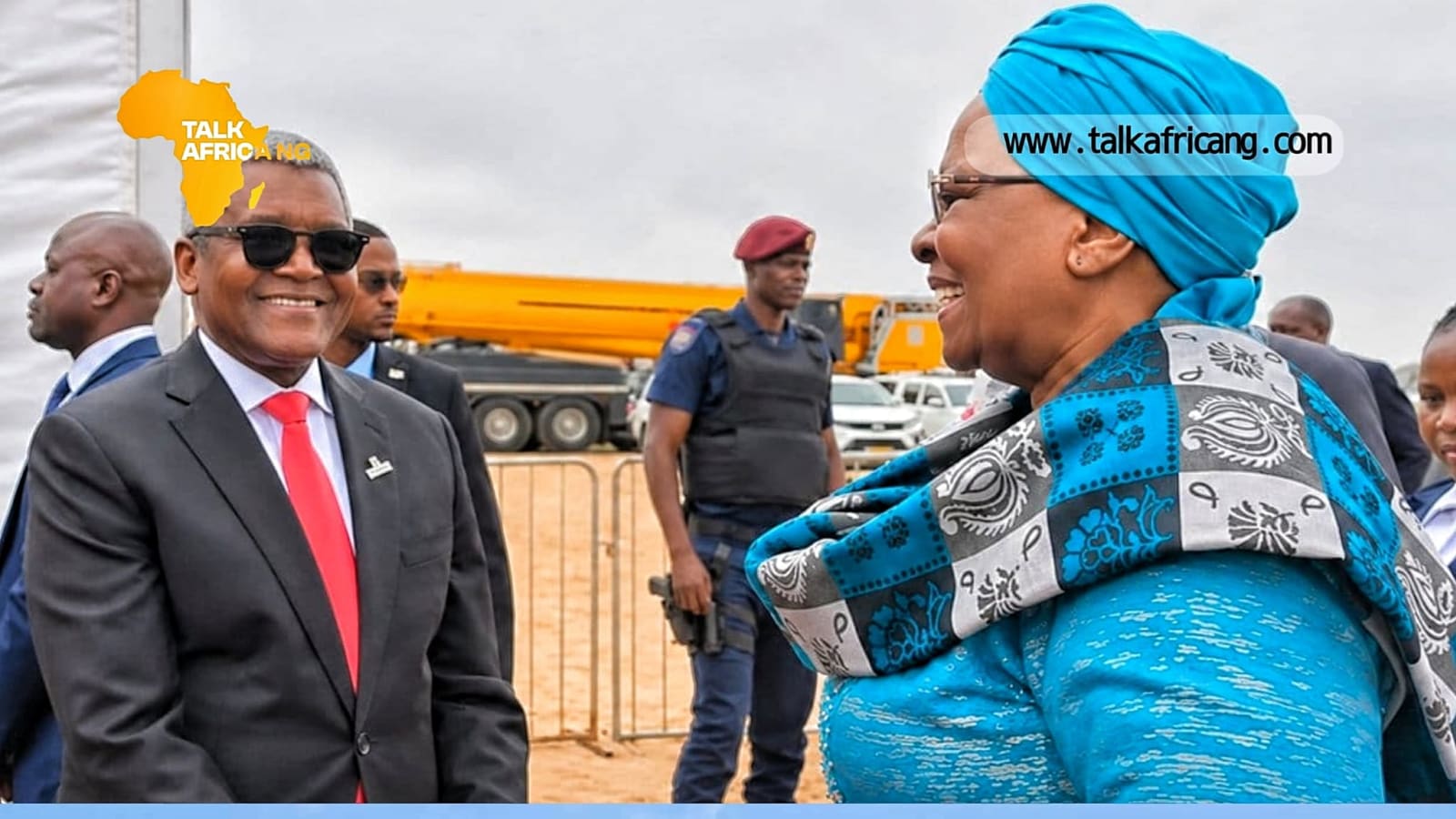
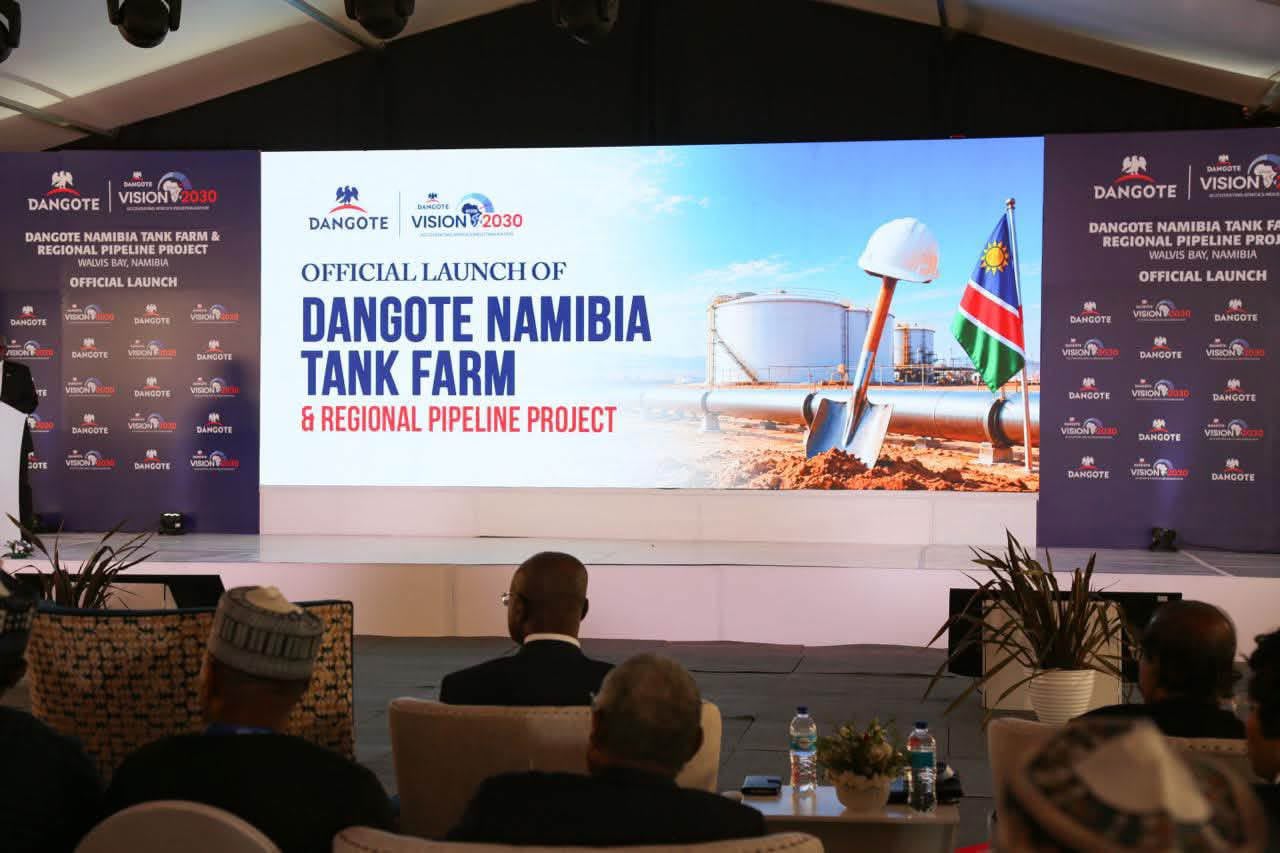
Nigerian billionaire Aliko Dangote has launched a $2.5 billion petroleum storage and pipeline project in Namibia, an investment expected to strengthen the country's energy security, create employment opportunities and improve fuel distribution across Southern Africa.
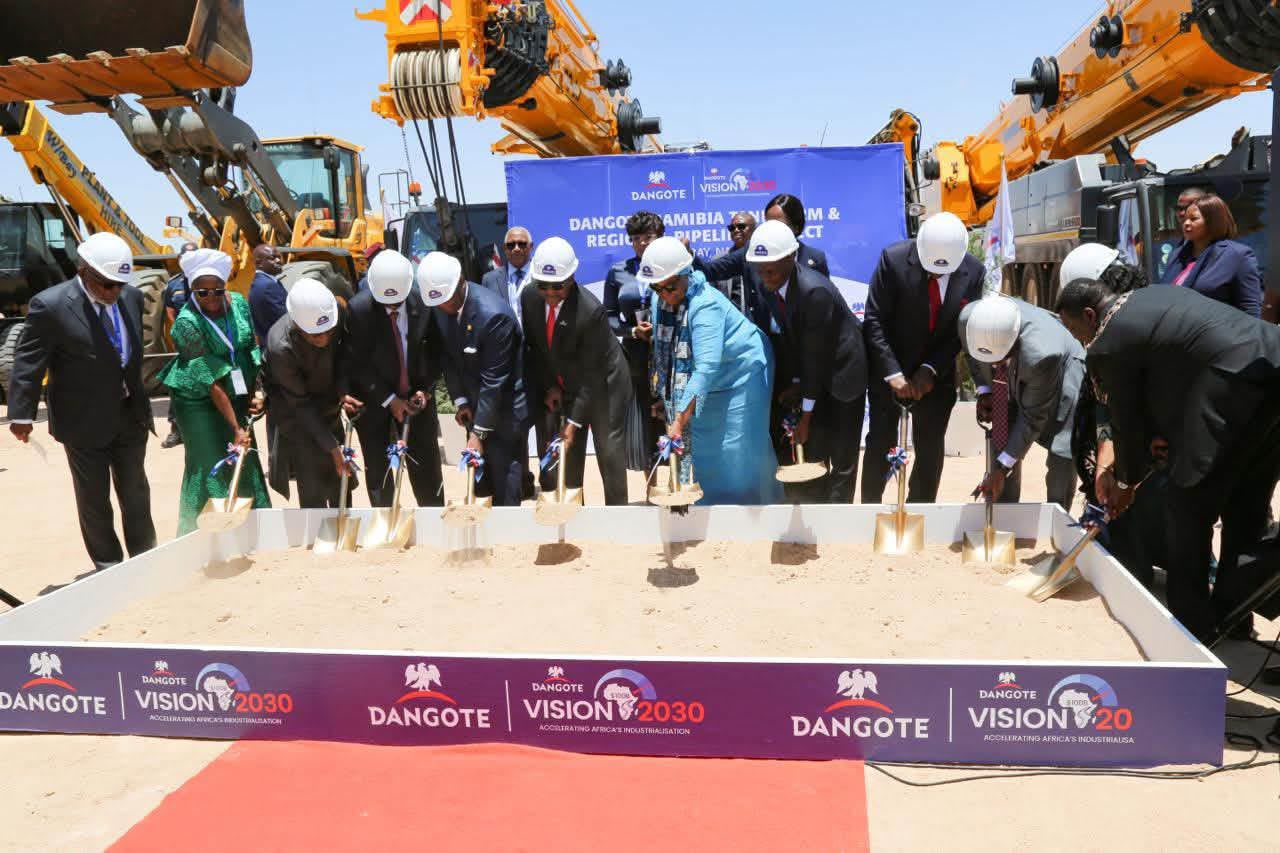
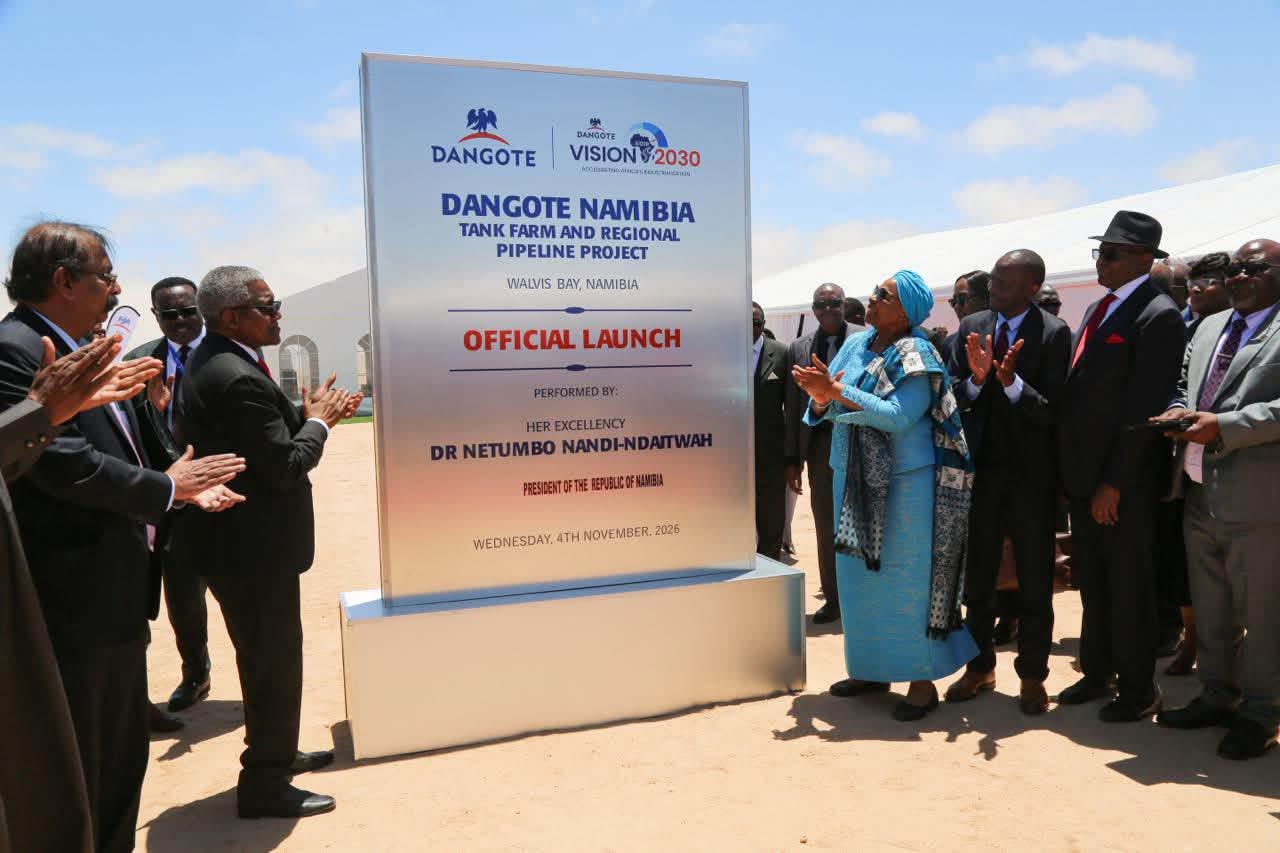
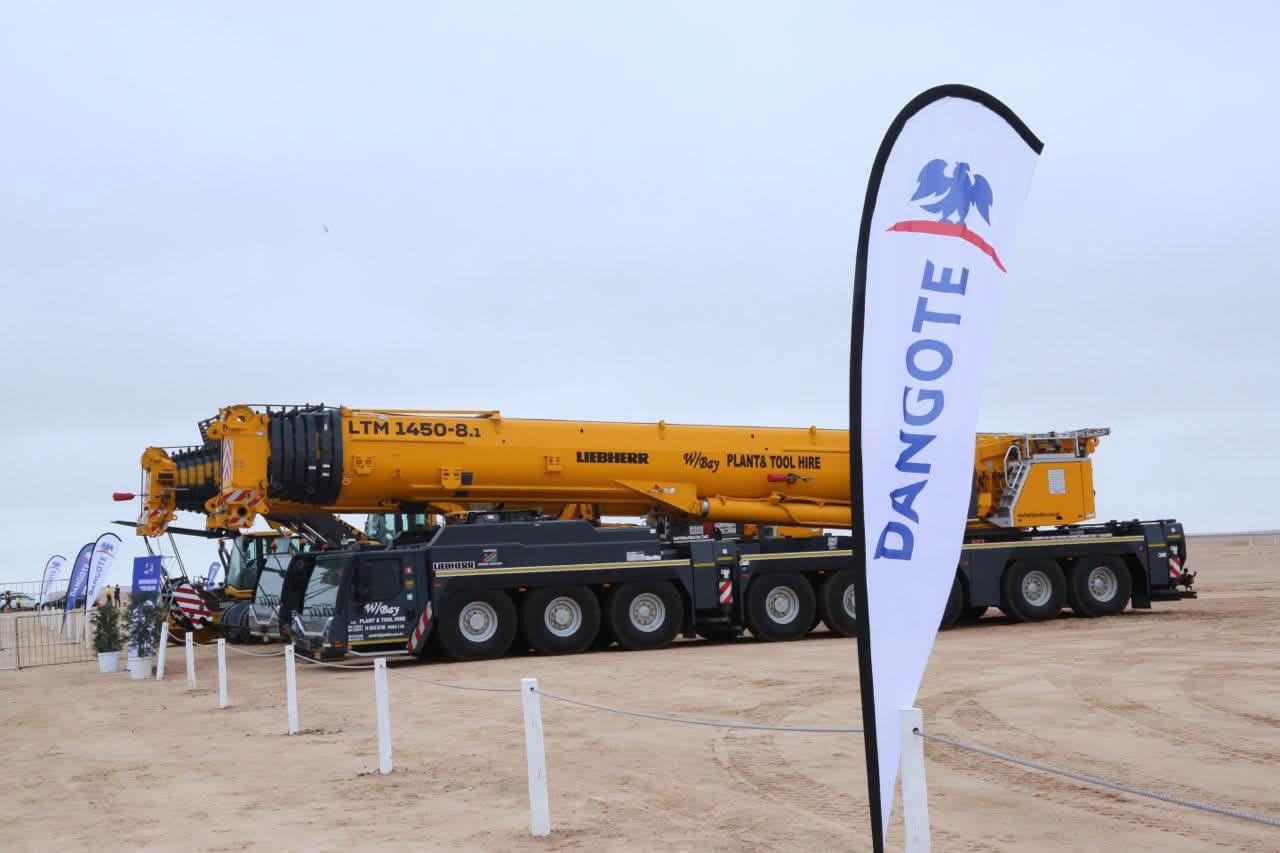
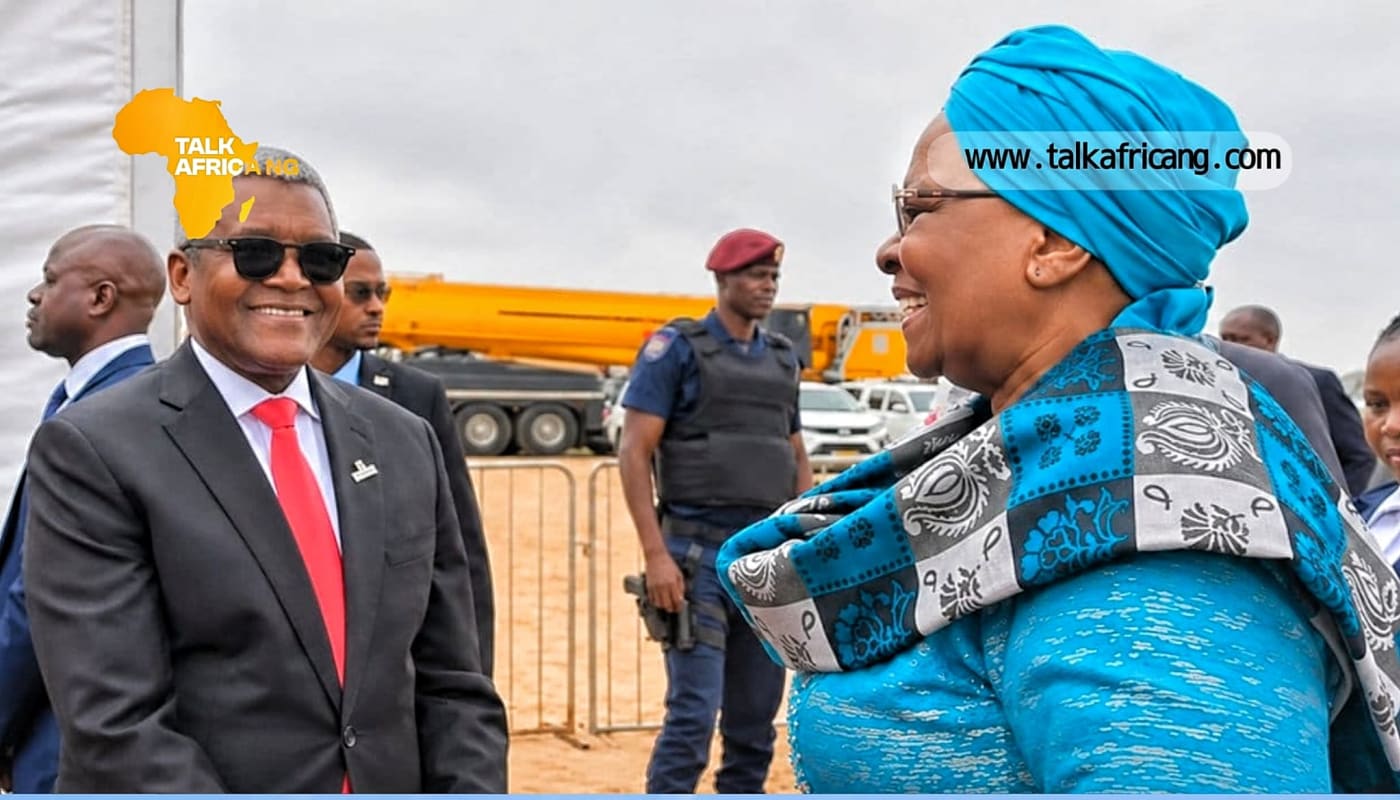
The project was launched on November 4, 2026, alongside Namibian President Netumbo Nandi-Ndaitwah. It will be developed near Walvis Bay, a strategic coastal city with access to important regional trade routes. The proposed facility will have a storage capacity of 600 million litres, comprising 360 million litres of diesel and 240 million litres of petrol. The wider project also includes a proposed pipeline network of approximately 1,700 kilometres connecting Namibia to markets across Southern Africa.
For Namibia, the project presents an opportunity to strengthen its petroleum supply system and reduce its vulnerability to disruptions in international fuel markets. The new facility will significantly expand the country's fuel storage capacity, allowing it to maintain larger reserves and manage supply fluctuations more effectively.
Beyond energy security, the investment is expected to create employment opportunities during construction and operation. It could also equip Namibian workers with technical skills in engineering, logistics, petroleum handling and infrastructure management.
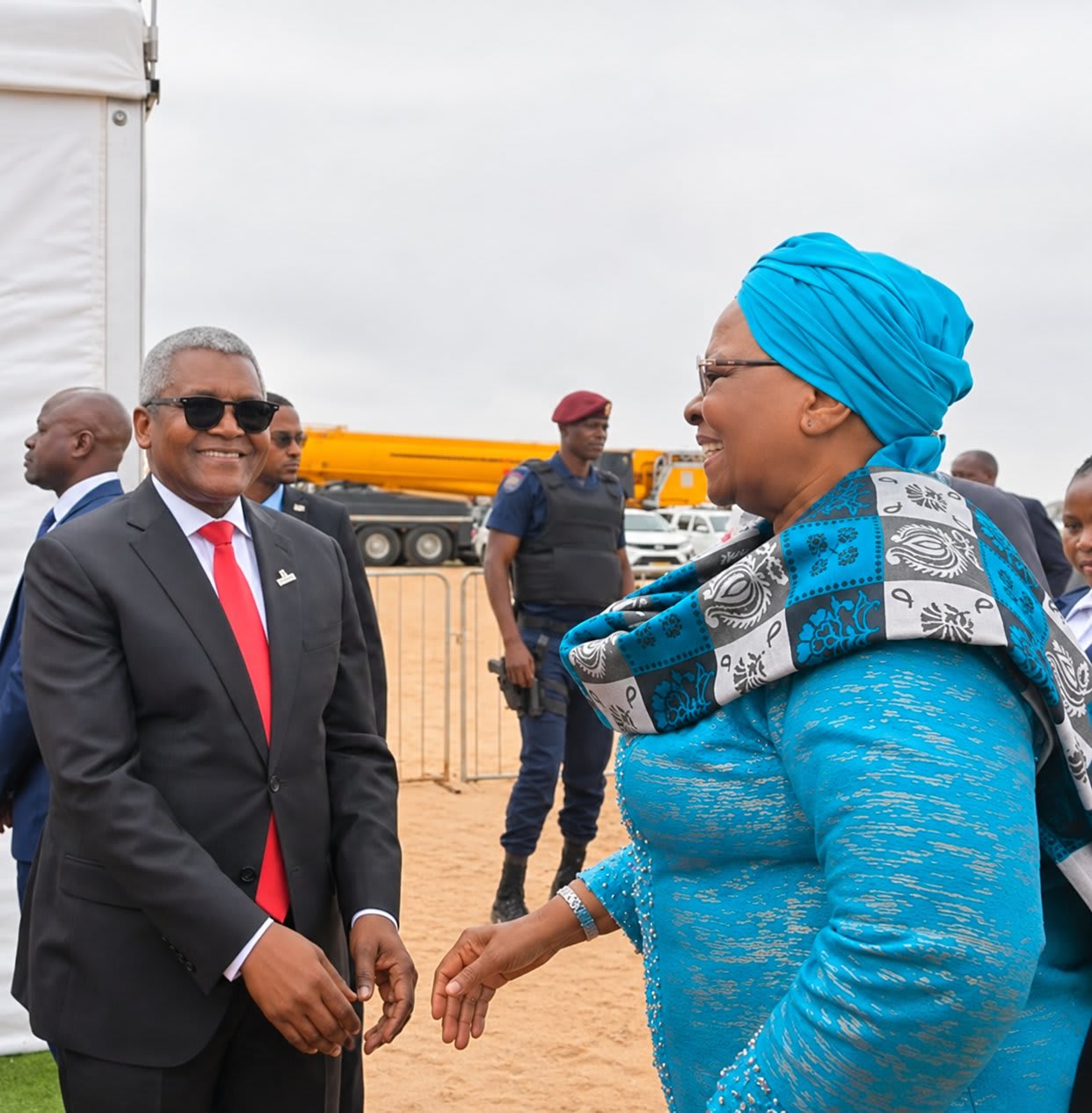
President Nandi-Ndaitwah has emphasised the importance of prioritising Namibians in employment and skills development. Local businesses could also benefit through contracts involving transportation, construction, equipment supply, maintenance and other supporting services.
One of the project's biggest opportunities lies beyond Namibia's borders.
The proposed pipeline network is expected to serve neighbouring and landlocked markets, including Botswana, Zambia, Zimbabwe, Malawi and parts of the Democratic Republic of Congo. These countries depend on imported petroleum products and face transportation costs associated with moving fuel over long distances.
Connecting Walvis Bay to inland markets could provide alternative distribution routes, reduce logistical challenges and improve the reliability of fuel supplies. It could also strengthen Walvis Bay's position as a regional trade and logistics hub, attracting further investment into transportation, storage and related industries.
The investment represents an important example of African capital supporting infrastructure development in another African country because many African economies depend heavily on external suppliers and international shipping routes to meet their energy needs. Projects like this could help strengthen regional supply networks and make it easier for African countries to trade essential products with one another.
It also expands Dangote's petroleum business beyond Nigeria, creating opportunities for refined products from his Lagos refinery to reach additional African markets.
The project's long-term impact will depend on successful construction, regulatory approvals and agreements with the countries involved. Its employment and local business benefits will also depend on how effectively local participation commitments are implemented. If completed as planned, the investment could strengthen Namibia's energy security, create economic opportunities for its people and improve petroleum distribution across Southern Africa.
For Africa, it demonstrates how investment between African countries can support shared infrastructure, regional cooperation and economic development.
©️ Okon David Ekanem @TalkAfrica.com.












Comments (0)
Leave a Comment