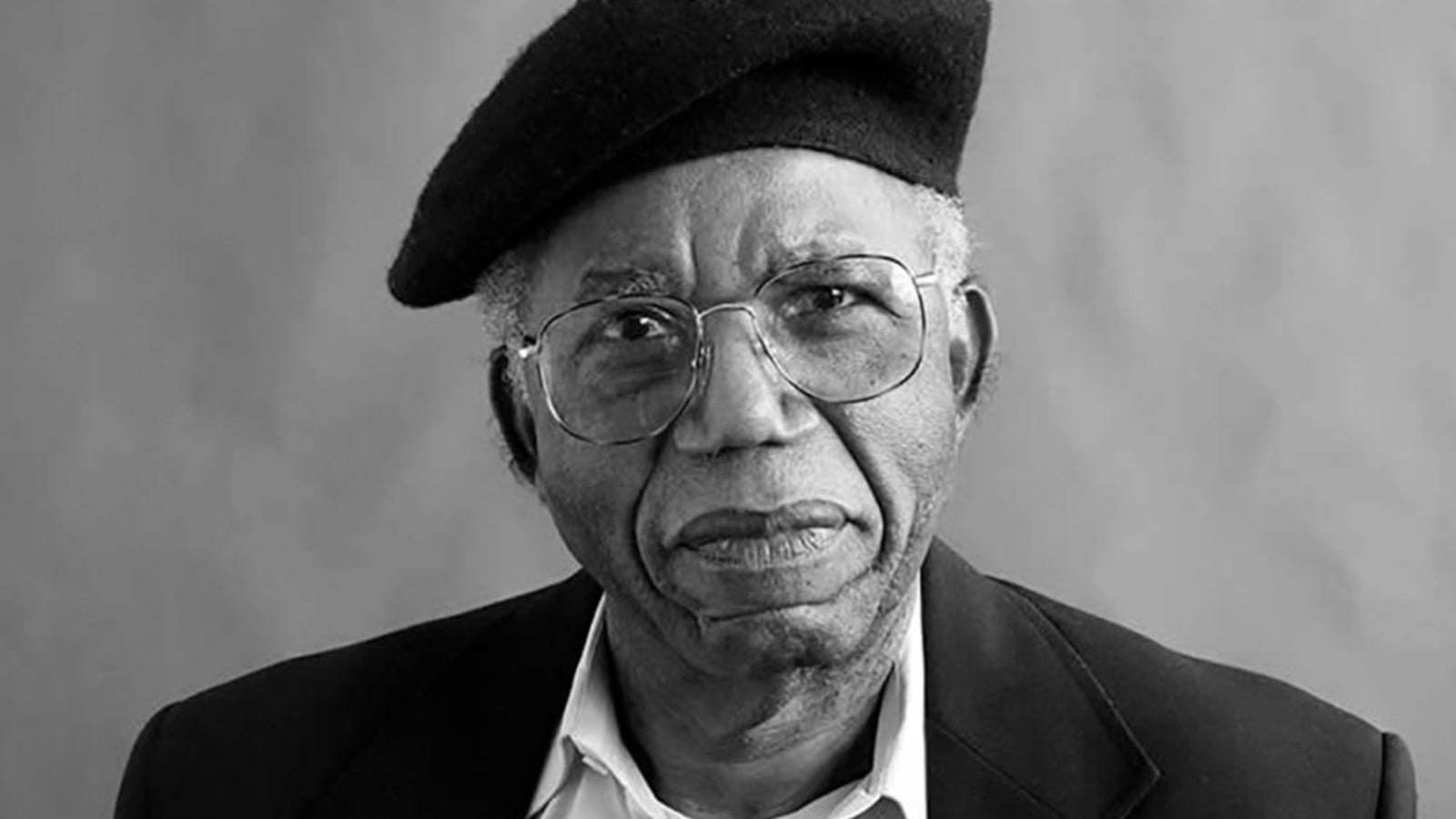
Albert Chinụalụmọgụ Achebe was born on November 16, 1930, in Ogidi, a town in present-day Anambra State, Nigeria. He had his primary education at St. Philip’s Central School in Ogidi, Anambra State, and went on to Government College Umuahia in Abia State on scholarship for his secondary education. He then proceeded to win a scholarship to University College, Ibadan – now the University of Ibadan in 1948 where he initially studied medicine before switching to English, history and theology.
In 1958, Chinua Achebe published his first novel, Things Fall Apart, which presented Africa as a system that had established patterns of governance, cultural values, moral codes and institutions long before the coming of the colonial masters. Over the years, the novel has been translated into more than 50 languages and remains one of the most widely read and studied African literary works.
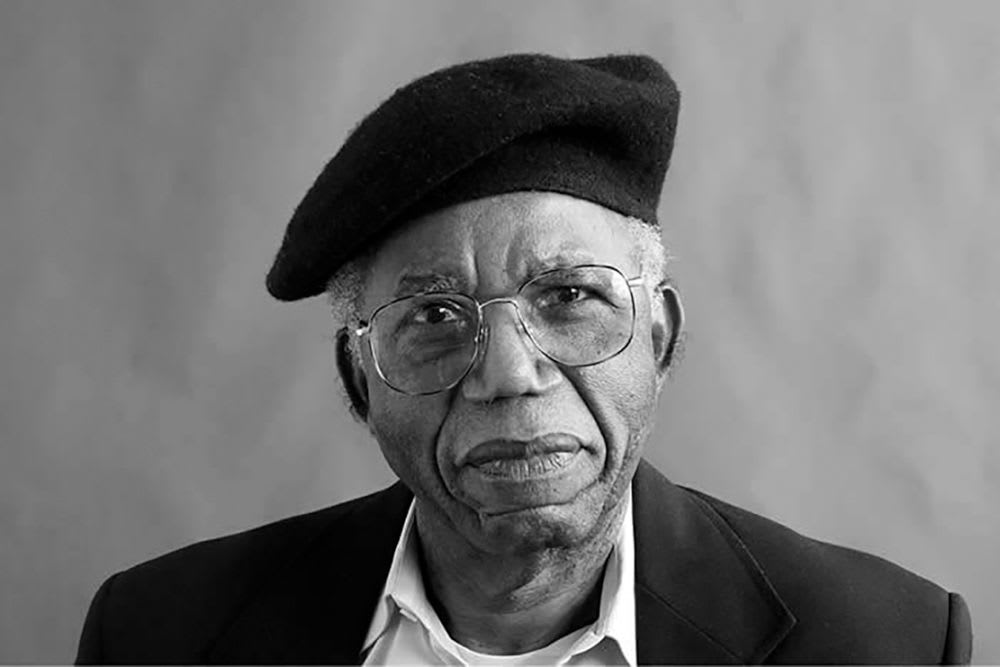
He continued writing stories and poems that explored the complexities of African societies, particularly the relationship between tradition, modernism, politics and cultural identity. Some of his notable publications include: No Longer at Ease, Arrow of God, A Man of the People, Anthills of the Savannah and many more. One of Achebe's greatest feats in his writings was to change the way the continent was seen. Through his works, he showed that literature could serve as a means of redirecting thoughts and views on societies especially Africa.
His contribution to literature earned him recognition across the world. Some of his achievements included: Margaret Wrong Memorial Prize for African Literature, Nigerian National Trophy for Literature, Langston Hughes Medallion, Commonwealth Poetry Prize for Beware, Soul-Brother, and Other Poems and to mention but a few. He also received numerous honorary degrees and international distinctions.
He lectured at the University of Nigeria, Nsukka and held several other positions and roles including being the founder of the Association of Nigerian Authors (ANA) in 1981. He subsequently spent much of his later academic career in the United States, teaching at Bard College in New York before joining Brown University in 2009.
Chinua Achebe passed away on March 21, 2013, in Boston, Massachusetts, at the age of 82. His death marked the end of an impactful life, but it did not stop the legacy that had been created. His works have continued to be read, studied, debated and celebrated across generations.
Today, Monday, November 16, 2026, Chinua Achebe’s post humous birthday coincides with the 28th Lagos Book & Art Festival (LABAF) which is widely celebrated as Africa’s biggest cultural gathering and the 35th anniversary of the Committee for Relevant Art (CORA), the cultural foundation that has kept the festival alive for nearly three decades.
As writers, thinkers, publishers, and art lovers converge across Lagos Island, the alignment of Chinua Achebe’s birth anniversary, CORA’s 35-year milestone, and LABAF’s call for bringing meaningful change to the society offers a clear picture of the current state of African arts and literature.
This calendar coincidence serves as a reminder that while time goes by and eras shift, the constant mindset and responsibility of Africans should be to preserve history and culture and change the narrative of how Africa is
viewed.
©2026 Umoru Inikpi | talkafricang.com

















Comments (0)
Leave a Comment