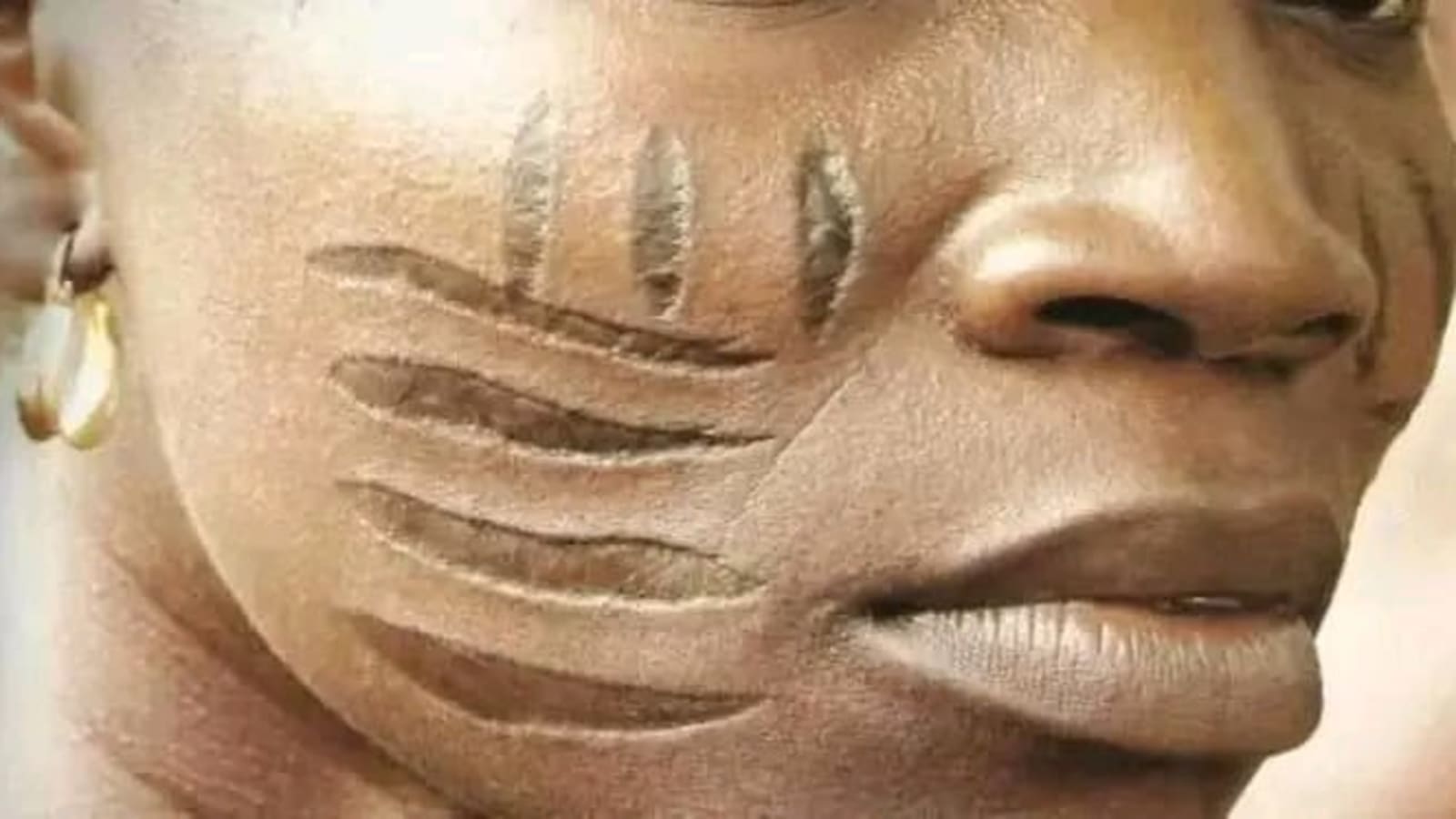
The Stories Written on African Skin
There was a time when the human body carried information that could not easily be separated from a person's identity. In some African communities, a face could reveal something about where someone came from, the community they belonged to and, sometimes, the history of their ancestors.
These stories were written on the skin.
Today, they are commonly recognized as tribal marks, although the broader practice is known as scarification. It involved creating permanent patterns of marks on different parts of the body, particularly the face. While the practice existed in different parts of Africa, its purposes and meanings varied considerably from one society to another.
In southwestern Nigeria, particularly among some Yoruba communities, facial markings became an important part of cultural identity. Different patterns were associated with particular communities and lineages. However, the history behind these markings is more complicated than many people realize.
In his 2008 research, Beyond Diversity: Women, Scarification, and Yoruba Identity, historian Olatunji Ojo examined how scarification became connected to the development of Yoruba ethnic identity during the nineteenth century.
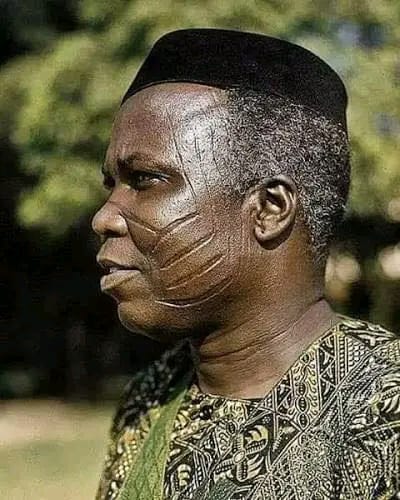
His research challenges the assumption that Yoruba identity and its associated cultural practices had always existed in their present form. He explains how warfare, displacement, intermarriage and the movement of people contributed to the spread of certain scarification patterns and the development of a broader sense of Yoruba identity.
The practice was not restricted to the Yoruba. Other Nigerian communities developed their own traditions of body marking, each with distinct meanings.
Among the Ga'anda people of northeastern Nigeria, for example, a traditional practice known as hleeta involved carefully arranged scarification patterns on different parts of the body. These markings were associated with initiation, social identity and cultural symbolism. Their designs were also reflected in other forms of Ga'anda artistic expression, including pottery.
Of course, the meanings of these markings were not always positive or identical. While some people associated them with beauty, identity and belonging, the experiences of others were shaped by family expectations, initiation practices and social pressure. In certain historical settings, individuals did not necessarily have a choice in receiving them.
This is an important part of the conversation that should not be overlooked.
Today, traditional scarification has declined in many African communities. Changing social attitudes, urbanisation, education, religious influences and government restrictions have all contributed to this development in different places. Concerns about the health risks associated with procedures that break the skin have also influenced how people view the practice.
Yet, the disappearance of these markings does not mean the disappearance of the histories they represent.
For older generations, they may remain familiar reminders of family backgrounds, community traditions and an earlier way of life. For younger generations, they are increasingly becoming something encountered in old photographs, family stories and historical accounts.
Those marks may no longer be as common as they once were, but the histories behind them are worth preserving.
And sometimes, understanding a culture begins with looking beyond what we see.
© Angel Tomi @TalkafricaNG.com
















Comments (0)
Leave a Comment