The Voices That Shaped Africa
Before now, Africa had a voice that changed how the world saw it. That voice came through books, plays, films, scripts, and newspaper columns. The people behind it were the first to use their voice to shape the African story. They changed the lens. They changed how the world perceived Africa, how the world treated Africa, and how the world recognised Africa. They also handed every African writer and journalist who came after them a building block for how our stories should be told, in our voice, and on our platform. They shaped history with what they had.
The Ones Who Held The Pen First
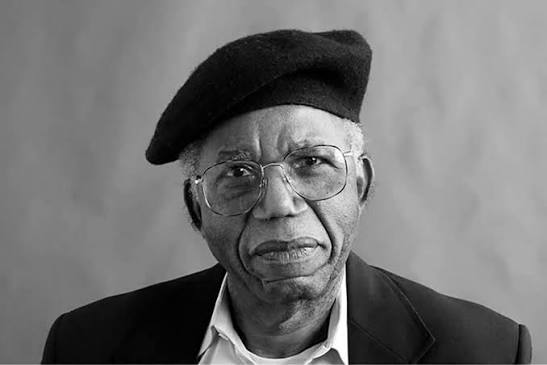
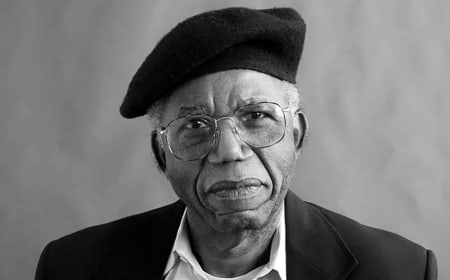
Chinua Achebe (Nigeria). Before Things Fall Apart appeared in 1958, most novels about Africa were written by Europeans, and they often painted Africans as people waiting to be rescued. Achebe, an Igbo man, told the story of Okonkwo and his village from the inside. The book has sold millions of copies and has been translated into more than fifty languages. It remains the starting point for African literature in English.
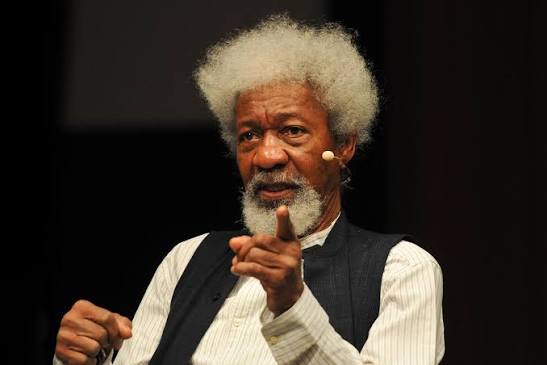
Wole Soyinka (Nigeria). In 1986, Soyinka became the first African to win the Nobel Prize in Literature. His plays and essays carried Yoruba thought and Nigerian politics to the world, and he spent years speaking against dictatorship at a personal cost.
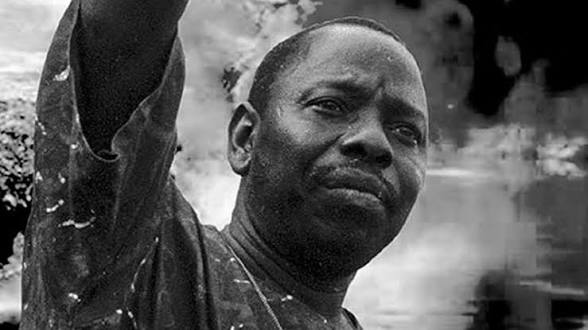
Ken Saro-Wiwa (Nigeria). Writer, screenwriter, and novelist, he wrote Sozaboy in 1985 and led the Ogoni people's campaign against oil pollution in the Niger Delta. On 10 November 1995, the military government hanged him with eight other Ogoni men. His pen cost him his life, and his words still speak for the Delta.
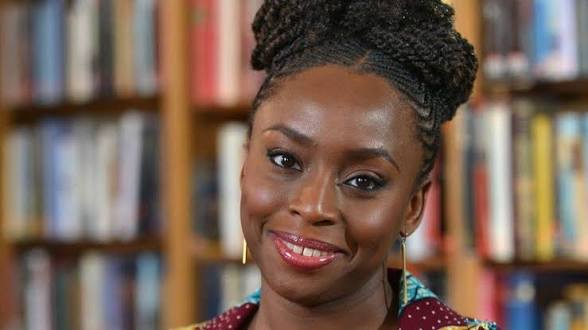
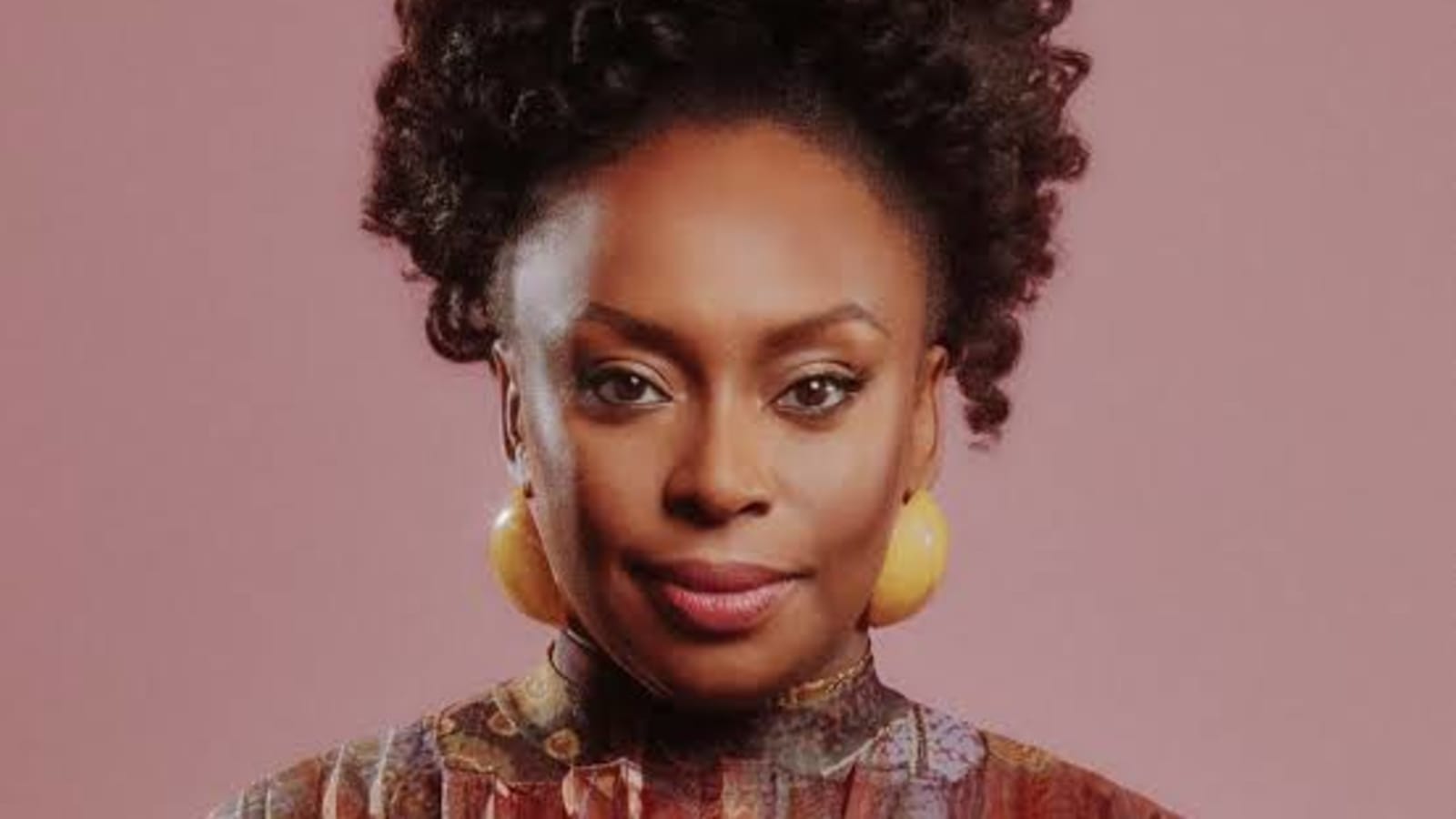
Chimamanda Ngozi Adichie (Nigeria). With Half of a Yellow Sun, she brought the Biafran war to a new generation. Her 2009 TED talk, "The Danger of a Single Story," gave the world a plain warning about what happens when one narrative stands in for a whole continent.
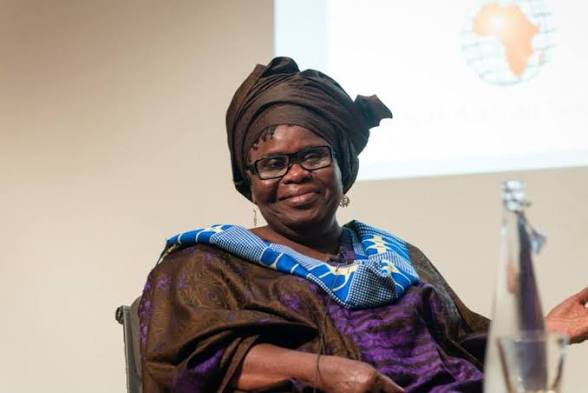
Ama Ata Aidoo (Ghana). Her play The Dilemma of a Ghost in 1965 and her novel Our Sister Killjoy placed African women's voices on the stage and the page on their own terms.
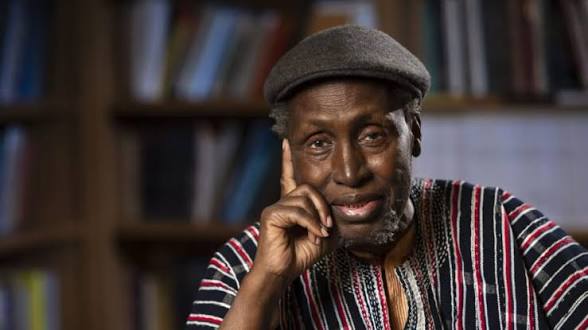
Ngũgĩ wa Thiong'o (Kenya). He was jailed in 1977 after staging a play in his mother tongue, Gikuyu. His book ,Decolonising the Mind, in 1986, argued that Africans should write in African languages. He died in 2025, and the argument still stands.
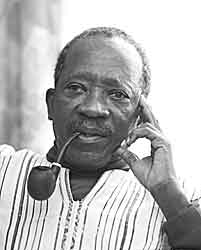
Ousmane Sembène (Senegal). A novelist who turned to cinema so that Africans who could not read would see themselves on screen. His 1966 film ,Black Girl, is widely credited as a landmark of African cinema, and he is often called its father.
So i ask. Have We Lost The Plot? Have we lost the first foundation of how African stories were meant to be told? In much of Hollywood and on many media platforms, authenticity has gone missing. Our stories are being told through another lens, one that does not fit the scope of Africa. When we look through it, we do not see Africa at all. We see a copy of the Western world.
Africa has a story. Africa has its own uniqueness. So why don't we tell it ourselves? When did we all shift?
Today, only a few voices remain willing to tell the African story the way Africa is. Talk Africa NG is one of them.
The Akan people of Ghana carry a proverb behind the Sankofa symbol: it is not wrong to go back for what you have forgotten. Achebe, Soyinka, Saro-Wiwa, Adichie, Aidoo, Ngũgĩ, and Sembène left us the foundation. The work now is to go back for it and build on it in our own voice.
©️ Okon David Ekanem @TalkAfrica.com.








Comments (0)
Leave a Comment