
Couscous: A Timeless North African Staple
Couscous is one of the most iconic dishes in North African cuisine, cherished for its versatility, rich cultural heritage, and remarkable nutritional value. Although often mistaken for a grain, couscous is actually a type of pasta made from tiny granules of semolina flour that are lightly moistened, rolled, and steamed until fluffy. It serves as a staple food across countries such as Tunisia, Morocco, Algeria, and Libya, where it is enjoyed in homes, restaurants, and at celebrations.
Over the centuries, couscous has gained international recognition, becoming a favorite in kitchens around the world due to its quick preparation, ability to absorb flavors, and compatibility with a wide variety of ingredients.
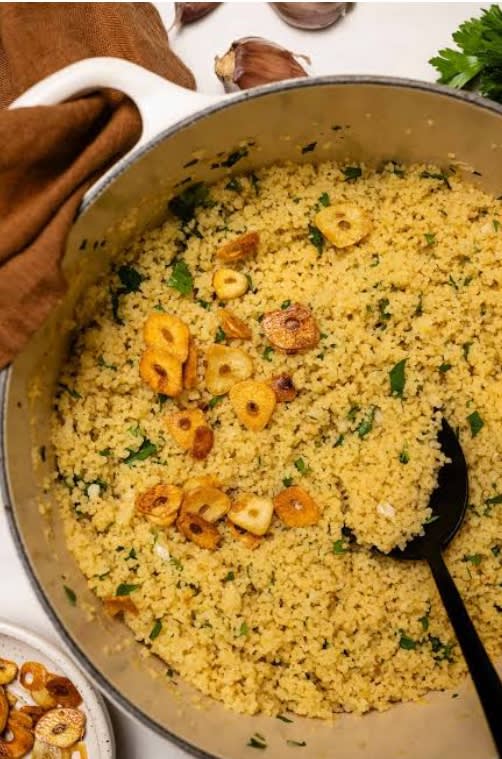
The history of couscous dates back over a thousand years and is closely linked to the Berber (Amazigh) people of North Africa. Archaeological findings suggest that couscous was prepared as early as the 11th century. Traditionally, women handcrafted couscous by rolling semolina flour with water into tiny pellets before steaming them in a special two-tiered pot known as a couscoussier.
As trade routes expanded across Africa, Europe, and the Middle East, couscous spread beyond North Africa and became an important part of global cuisine. Today, it is enjoyed in countless variations while still preserving its cultural significance.
Ingredients Used in Making Couscous
The basic ingredients include:
Semolina flour
Water
Salt
Depending on the recipe, couscous may also be served with:
Lamb, beef, chicken, fish, or seafood
Chickpeas
Carrots
Zucchini
Pumpkin
Turnips
Tomatoes
Bell peppers
Onions
Garlic
Olive oil
Harissa (a spicy chili paste)
Fresh herbs such as parsley and coriander
Traditional spices including cumin, turmeric, cinnamon, paprika, black pepper, ginger, and saffron
How Couscous Is Prepared
Traditional couscous is prepared by steaming rather than boiling, resulting in a light and fluffy texture.
The preparation generally involves:
1. Rolling semolina with water into small granules.
2. Steaming the couscous until tender.
3. Cooking vegetables, meat, or fish separately in a flavorful broth.
4. Serving the steamed couscous topped with the broth and cooked ingredients.
5. Garnishing with fresh herbs and, if desired, harissa for extra spice.
Instant couscous, widely available today, requires only hot water or broth and is ready in a few minutes.
Types of Couscous
There are several varieties of couscous, including:
1. Moroccan Couscous
The smallest and most commonly available variety. It cooks quickly and has a light, fluffy texture.
2. Israeli Couscous (Pearl Couscous)
Larger, round pasta pearls with a chewy texture. It is often toasted before cooking.
3. Lebanese Couscous (Moghrabieh)
The largest variety, featuring large pasta balls that are commonly served in rich stews.
4. Tunisian Couscous
Typically prepared with spicy tomato-based sauces, seafood, fish, or lamb, and flavored generously with harissa.
5. Algerian Couscous
Often served with vegetables, chickpeas, and slow-cooked meats in richly seasoned broth.
Nutritional Value of Couscous
Couscous provides several important nutrients that contribute to a balanced diet.
It contains:
Complex carbohydrates for sustained energy
Plant-based protein
Dietary fiber
Selenium
B vitamins
Iron
Magnesium
Potassium
Phosphorus
Small amounts of calcium
The nutritional content may vary depending on the ingredients and accompaniments used.
Health Benefits of Couscous
1. Provides Lasting Energy
Couscous is an excellent source of complex carbohydrates, which provide the body with a steady release of energy. This makes it an ideal meal for people with active lifestyles, helping to fuel daily activities and maintain energy levels for longer periods.
2. Supports Heart Health
When prepared with healthy ingredients such as vegetables, legumes, and olive oil, couscous can contribute to heart health. Its low fat content and nutrient-rich accompaniments may help support healthy cholesterol levels and overall cardiovascular wellness.
3. Rich in Selenium
Couscous is naturally high in selenium, an essential mineral with powerful antioxidant properties. Selenium helps protect the body's cells from damage caused by free radicals, supports thyroid function, and strengthens the immune system.
4. Promotes Healthy Digestion
Whole-wheat couscous contains dietary fiber, which plays an important role in maintaining a healthy digestive system. Fiber aids digestion, promotes regular bowel movements, and supports the growth of beneficial gut bacteria.
5. Supports Muscle Maintenance
Although couscous is not a high-protein food on its own, it contributes to protein intake and becomes even more nutritious when paired with lean meats, fish, beans, or legumes. Protein is essential for building and repairing body tissues and maintaining healthy muscles.
6. Easy to Digest
The soft, steamed texture of couscous makes it easy on the digestive system. It is suitable for children, older adults, and individuals recovering from illness who may need light, easily digestible meals.
7. Versatile and Balanced
Couscous pairs well with a variety of nutritious foods, including vegetables, legumes, seafood, and lean proteins. This versatility makes it easy to create balanced meals that provide a wide range of essential nutrients.
Couscous holds deep cultural importance across North Africa. Families often gather around a large communal plate to share the meal during Fridays, weddings, religious festivals, naming ceremonies, and other special occasions. Preparing couscous is seen not only as a culinary tradition but also as an expression of hospitality, unity, and family togetherness.
In 2020, the traditional knowledge and practices surrounding couscous were recognized by UNESCO as part of the Intangible Cultural Heritage of Humanity, highlighting its significance across Algeria, Morocco, Mauritania, and Tunisia.
How Couscous Is Served
Couscous can be enjoyed in numerous ways, including:
With slow-cooked lamb and vegetables
With grilled chicken
With fish or seafood
As a vegetarian meal with chickpeas and seasonal vegetables
In salads with fresh herbs and lemon dressing
As a sweet dish with raisins, cinnamon, almonds, and honey
Alongside spicy Tunisian harissa
Couscous is much more than a simple meal—it is a symbol of North African history, culture, and hospitality. Its light texture, nutritional benefits, and ability to complement a wide range of ingredients have made it one of the world's most beloved traditional foods. Whether served with hearty stews, fresh vegetables, seafood, or enjoyed as a refreshing salad, couscous remains a delicious and wholesome dish that continues to conn
ect generations through the joy of shared meals.
©2026|Osho Deborah|Talk Africa NG.com













Comments (0)
Leave a Comment