WHY YAA ASANTEWAA LED A WAR AGAINST THE BRITISH.

WHY YAA ASANTEWAA LED A WAR AGAINST THE BRITISH.

Imagine a foreign governor coming into your land, demanding something your people consider sacred, and expecting everyone to obey. Now imagine the leaders of your kingdom are unsure whether to fight back, and one woman stands up to challenge them. That was the kind of situation Yaa Asantewaa found herself in when the Asante Kingdom faced British colonial rule in 1900.

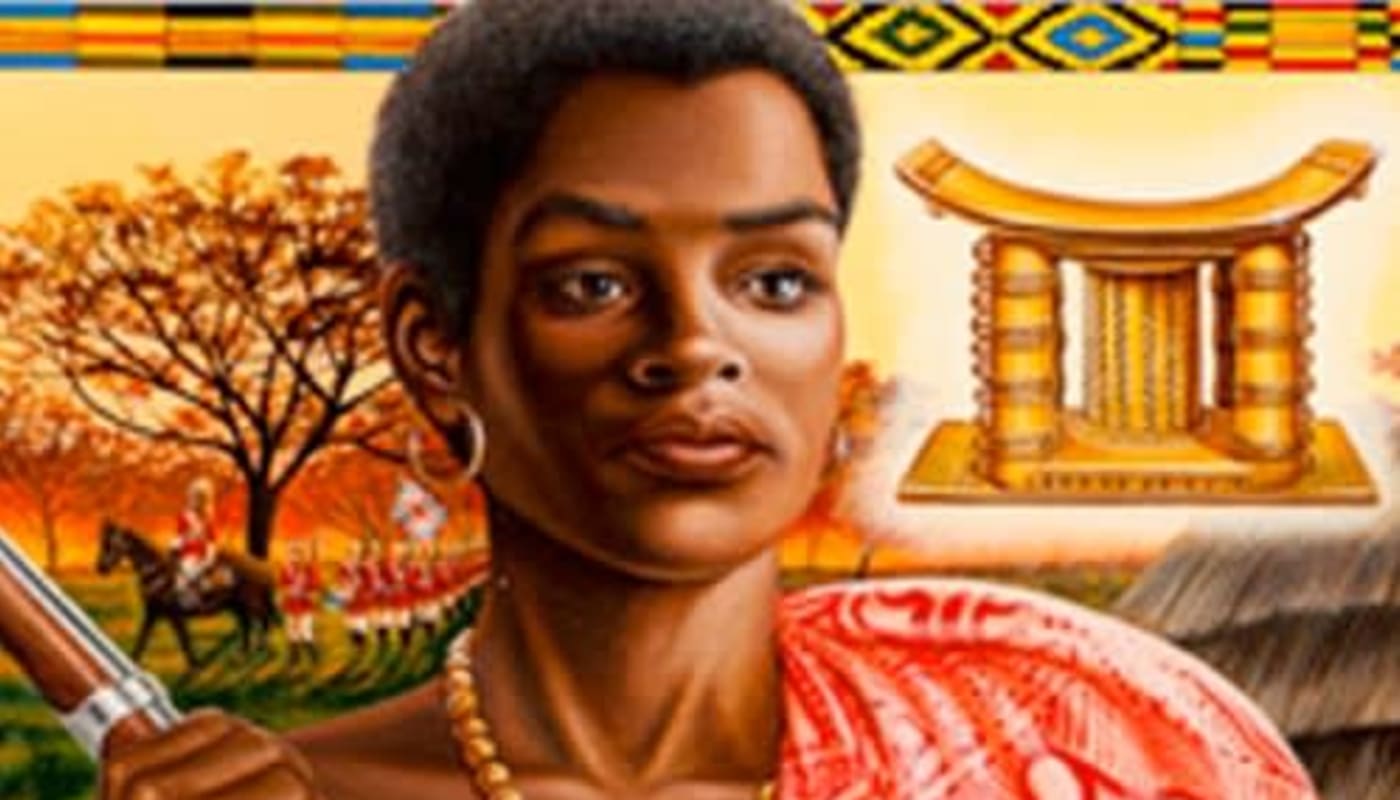
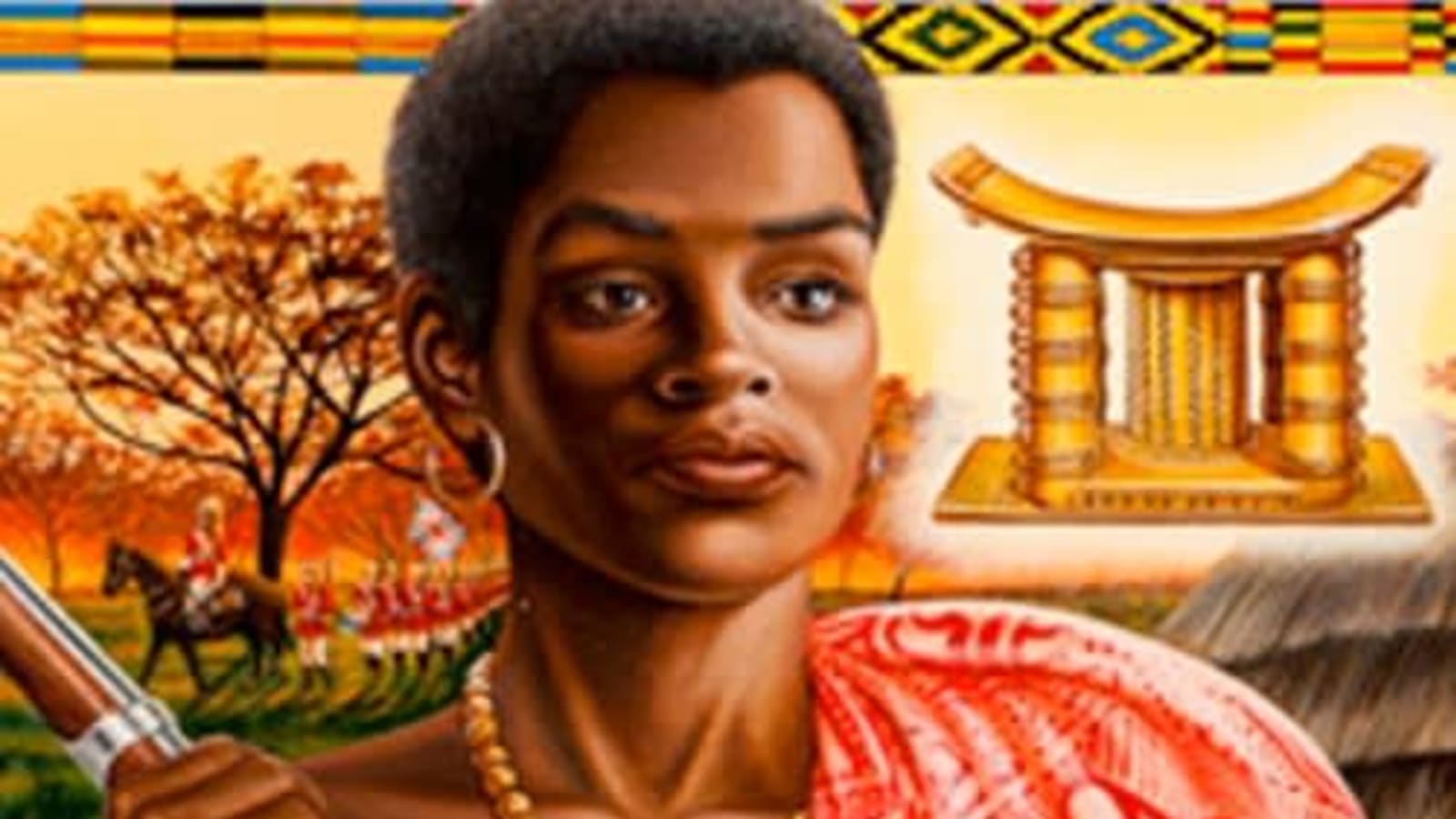
Yaa Asantewaa, queen mother of Ejisu, played a major role in the Asante resistance against British colonial rule. Credit: Lugha Yangu

WHO WAS YAA ASANTEWAA, AND WHAT MADE THE BRITISH DEMAND FOR THE GOLDEN STOOL SUCH A BIG DEAL?

Yaa Asantewaa was the queen mother of Ejisu, a state in the Asante Kingdom in what is now Ghana. She held an important position in the community and had influence over political affairs and leadership. She was not just a woman who suddenly appeared during a war, as she was already part of the traditional leadership system.

At the time, the Asante Kingdom had been dealing with British interference for years. The British wanted greater control over the kingdom, and the two sides had fought several wars. In 1896, the British arrested Asantehene Prempeh I, the Asante king, and sent him into exile in the Seychelles alongside other leaders. The kingdom had lost its ruler, but the problems did not end there.

In 1900, British Governor Frederick Hodgson arrived in Kumasi with another demand. He wanted the Golden Stool, known as the Sika Dwa Kofi, and expected the Asante to make it available to him.

NOW, WHY WOULD A STOOL CAUSE SO MUCH TROUBLE?

The Golden Stool was not an ordinary seat used by the king. It represented the soul and unity of the Asante people, and it was so sacred that even the king did not sit on it. Asking for it was therefore more than a demand for a valuable object, it was an attack on something the Asante regarded as central to their identity.

The Golden Stool, known as Sika Dwa Kofi, represents the soul and unity of the Asante people. It was central to the conflict between the Asante and the British in 1900. Credit: Ejusu Besease.

The Asante refused to hand it over and hid it from the British. However, with their king already in exile and the British now demanding their sacred stool, the situation became even more serious. This was where Yaa Asantewaa came in.

When Asante leaders gathered to discuss what to do about the British, some were reluctant to go to war. Fighting the British was a serious decision, especially after years of conflict and the exile of their king.

Yaa Asantewaa reportedly challenged their hesitation. In the speech associated with her, she questioned whether the courage of their ancestors had disappeared and declared that if the men would not fight, the women would.

She believed the Asante should defend their kingdom rather than allow the British to take what they wanted without resistance.

Yaa Asantewaa became one of the leading figures in the resistance, helping to gather the Asante against British rule. The conflict became known as the War of the Golden Stool.

The war lasted from 1900 into 1901. Asante fighters built defences, blocked roads and surrounded the British garrison in Kumasi, trapping Governor Hodgson and others inside for nearly three months. The British eventually managed to escape, but the resistance didn't stop. Unfortunately, the Asante did not win the war.

The War of the Golden Stool began in 1900 after the British demanded the sacred stool. Asante fighters resisted British control, but the kingdom was eventually defeated. Credit: Wikipedia

The British eventually defeated the resistance, captured Yaa Asantewaa and sent her into exile in the Seychelles. She was sent to the same islands where Prempeh I and other Asante leaders had been held.

Yaa Asantewaa died in exile on 17 October 1921. By 1902, the British had brought Asante under Crown control, ending the kingdom's independence.

Yaa Asantewaa led the resistance because she believed the Asante had to defend their sacred traditions and independence. Although the British defeated the kingdom and sent her into exile, she became a sign of courage, confidence, and leadership.

2026 Bernice Temitayo Olusaiye | Talkafricang.com
Filed under: african history

Share this article

Keep Reading

More stories you might find interesting

The Talking Drum: When Music Became a Language
arts

The Talking Drum: When Music Became a Language

Unlike ordinary drums that produce relatively fixed pitches, the Yoruba talking drum has a distinctive hourglass shape, with cords running along its sides. By squeezing these cords while striking the drum, the player can alter its pitch, producing sounds that rise and fall in ways that imitate the tones of spoken language. This is particularly important in Yoruba, a tonal language in which the pitch used when pronouncing a word can change its meaning. Skilled drummers use this understanding to reproduce familiar expressions, praise poetry, proverbs and other forms of communication.

Africa Needs More Leaders, Not Politicians
african-history

Africa Needs More Leaders, Not Politicians

Africa once had leaders who drew a blueprint for their people, from Nkrumah and Awolowo to Nyerere, Sankara, and Mandela. Today, too many seats are treated as rewards for party loyalty instead of responsibilities to the people. This article argues that Africa needs leaders who plan for the born and the unborn, and that Nigerians can help put them in office.

Flamingos Make History: Nigeria Wins The 2026 FIFA U-17 Women's World Cup
news

Flamingos Make History: Nigeria Wins The 2026 FIFA U-17 Women's World Cup

Nigeria's Flamingos beat Japan 2-1 in Rabat on 7 November 2026 to become the first African nation to win the FIFA U-17 Women's World Cup. After losing their opening match to Poland, the young Nigerians won their next five games, including a 3-1 win over North Korea and a 3-1 semi-final win over Brazil, to complete a historic run.

Comments (0)

Leave a Comment

0/1000
Loading comments...

WHY YAA ASANTEWAA LED A WAR AGAINST THE BRITISH.

WHY YAA ASANTEWAA LED A WAR AGAINST THE BRITISH.

Imagine a foreign governor coming into your land, demanding something your people consider sacred, and expecting everyone to obey. Now imagine the leaders of your kingdom are unsure whether to fight back, and one woman stands up to challenge them. That was the kind of situation Yaa Asantewaa found herself in when the Asante Kingdom faced British colonial rule in 1900.

Yaa Asantewaa, queen mother of Ejisu, played a major role in the Asante resistance against British colonial rule. Credit: Lugha Yangu

WHO WAS YAA ASANTEWAA, AND WHAT MADE THE BRITISH DEMAND FOR THE GOLDEN STOOL SUCH A BIG DEAL?

Yaa Asantewaa was the queen mother of Ejisu, a state in the Asante Kingdom in what is now Ghana. She held an important position in the community and had influence over political affairs and leadership. She was not just a woman who suddenly appeared during a war, as she was already part of the traditional leadership system.

At the time, the Asante Kingdom had been dealing with British interference for years. The British wanted greater control over the kingdom, and the two sides had fought several wars. In 1896, the British arrested Asantehene Prempeh I, the Asante king, and sent him into exile in the Seychelles alongside other leaders. The kingdom had lost its ruler, but the problems did not end there.

In 1900, British Governor Frederick Hodgson arrived in Kumasi with another demand. He wanted the Golden Stool, known as the Sika Dwa Kofi, and expected the Asante to make it available to him.

NOW, WHY WOULD A STOOL CAUSE SO MUCH TROUBLE?

The Golden Stool was not an ordinary seat used by the king. It represented the soul and unity of the Asante people, and it was so sacred that even the king did not sit on it. Asking for it was therefore more than a demand for a valuable object, it was an attack on something the Asante regarded as central to their identity.

The Golden Stool, known as Sika Dwa Kofi, represents the soul and unity of the Asante people. It was central to the conflict between the Asante and the British in 1900. Credit: Ejusu Besease.

The Asante refused to hand it over and hid it from the British. However, with their king already in exile and the British now demanding their sacred stool, the situation became even more serious. This was where Yaa Asantewaa came in.

When Asante leaders gathered to discuss what to do about the British, some were reluctant to go to war. Fighting the British was a serious decision, especially after years of conflict and the exile of their king.

Yaa Asantewaa reportedly challenged their hesitation. In the speech associated with her, she questioned whether the courage of their ancestors had disappeared and declared that if the men would not fight, the women would.

She believed the Asante should defend their kingdom rather than allow the British to take what they wanted without resistance.

Yaa Asantewaa became one of the leading figures in the resistance, helping to gather the Asante against British rule. The conflict became known as the War of the Golden Stool.

The war lasted from 1900 into 1901. Asante fighters built defences, blocked roads and surrounded the British garrison in Kumasi, trapping Governor Hodgson and others inside for nearly three months. The British eventually managed to escape, but the resistance didn't stop. Unfortunately, the Asante did not win the war.

The War of the Golden Stool began in 1900 after the British demanded the sacred stool. Asante fighters resisted British control, but the kingdom was eventually defeated. Credit: Wikipedia

The British eventually defeated the resistance, captured Yaa Asantewaa and sent her into exile in the Seychelles. She was sent to the same islands where Prempeh I and other Asante leaders had been held.

Yaa Asantewaa died in exile on 17 October 1921. By 1902, the British had brought Asante under Crown control, ending the kingdom's independence.

Yaa Asantewaa led the resistance because she believed the Asante had to defend their sacred traditions and independence. Although the British defeated the kingdom and sent her into exile, she became a sign of courage, confidence, and leadership.

2026 Bernice Temitayo Olusaiye | Talkafricang.com
Filed under: african history

Share this article

Comments (0)

Leave a Comment

0/1000
Loading comments...