Beyond the Shadows: The Resilient Heritage and Timeless Spirit of the Bajju People

Beyond the Shadows: The Resilient Heritage and Timeless Spirit of the Bajju People

When many people hear about Southern Kaduna, the news they see is often about politics or conflict. But behind the headlines lives a warm, hardworking, and deeply rooted community: the Ba̠jju people.

For a very long time, colonial officers and neighbouring groups called them Kaje. The people have since dropped that outside label. In their own native language, called Jju, they call themselves the Ba̠jju (or Ba̠nyet Jju, meaning "people of Jju"), and their ancestral land is Ka̠jju. Their main cultural capital is the lively town of Zonkwa, located in Zangon Kataf Local Government Area of Kaduna State. Today, the Bajju stand proudly under their paramount traditional ruler, the Agwam Ba̠jju, whose palace in Zonkwa keeps their history and peace alive.
850617448372712922

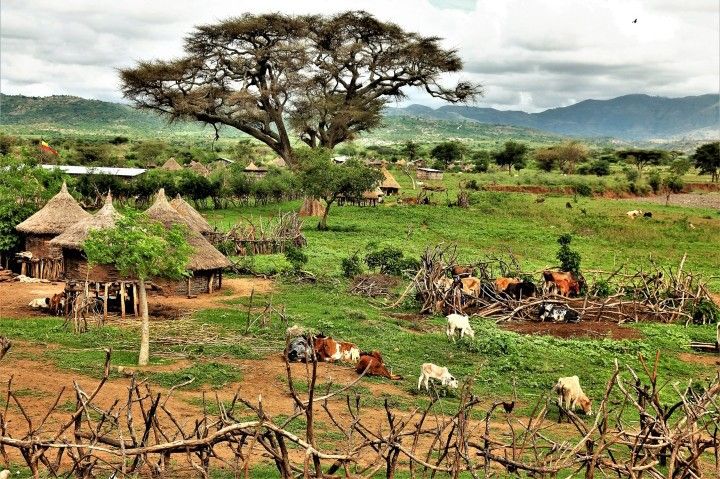
The fertile landscape of Kajju in Zonkwa: Ancient homeland of the resilient Bajju people.

(Source: Wikimedia Commons / Creative Commons)

Where They Came From: The Journey to Kajju

The Bajju share rich stories about where they started. Elders and historians note that their forefathers migrated centuries ago from the Bauchi plateau region before settling around a historic area called Dutsen Rimi.

From Dutsen Rimi, brave hunters, clan heads, and families moved into the fertile valleys of Southern Kaduna. They formed close-knit family clans (Kabyen) like the

Dankun, Banuang, and Dutse. Even when larger empires rose and British rule arrived, the Bajju held tightly to their language, farm settlements, and way of life.

Ancient Rules and Faith: The Story of Abvwoi

Long before church bells rang in Southern Kaduna, the Bajju believed in one supreme God called Kaza (or Gaza).

To make sure people lived peacefully and honestly every day, their community ran on a powerful ancestral justice system called Abvwoi:

  • Ancestral Voices: The people believed their dead ancestors watched over them and spoke through respected, initiated male elders at sacred shrines (Kupbvwoi).
  • The Masquerades (Abusak): At night or during special ceremonies, sacred masquerades known as Abusak came out to settle land quarrels, judge thieves, and make peace between fighting families.
  • Strict Laws for Everyone: Under the Abvwoi, you were forbidden from stealing, lying, practicing poison or witchcraft (katsat), or cheating on your husband or wife. Breaking these rules was believed to bring serious sickness or shame upon your entire household.

Because of this strict moral code, people did not need police to do the right thing. Lying was rare, and people kept their word. Even though most Bajju people today are dedicated Christians, that ancient tradition of honesty and respect for elders still guides how they live.
bajju

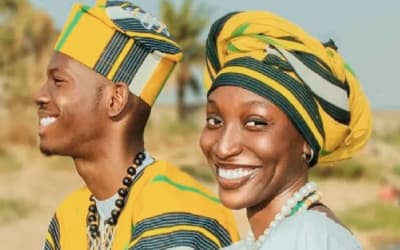
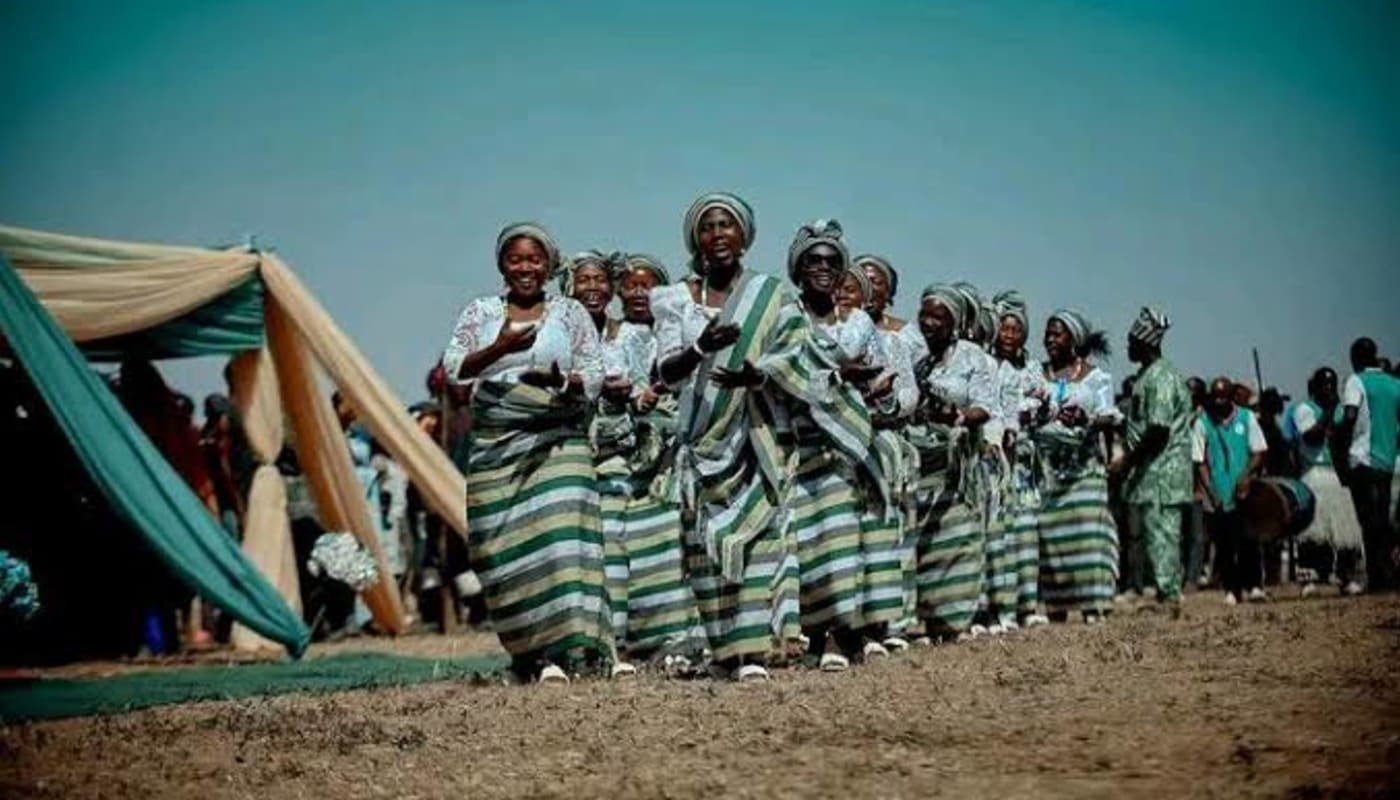
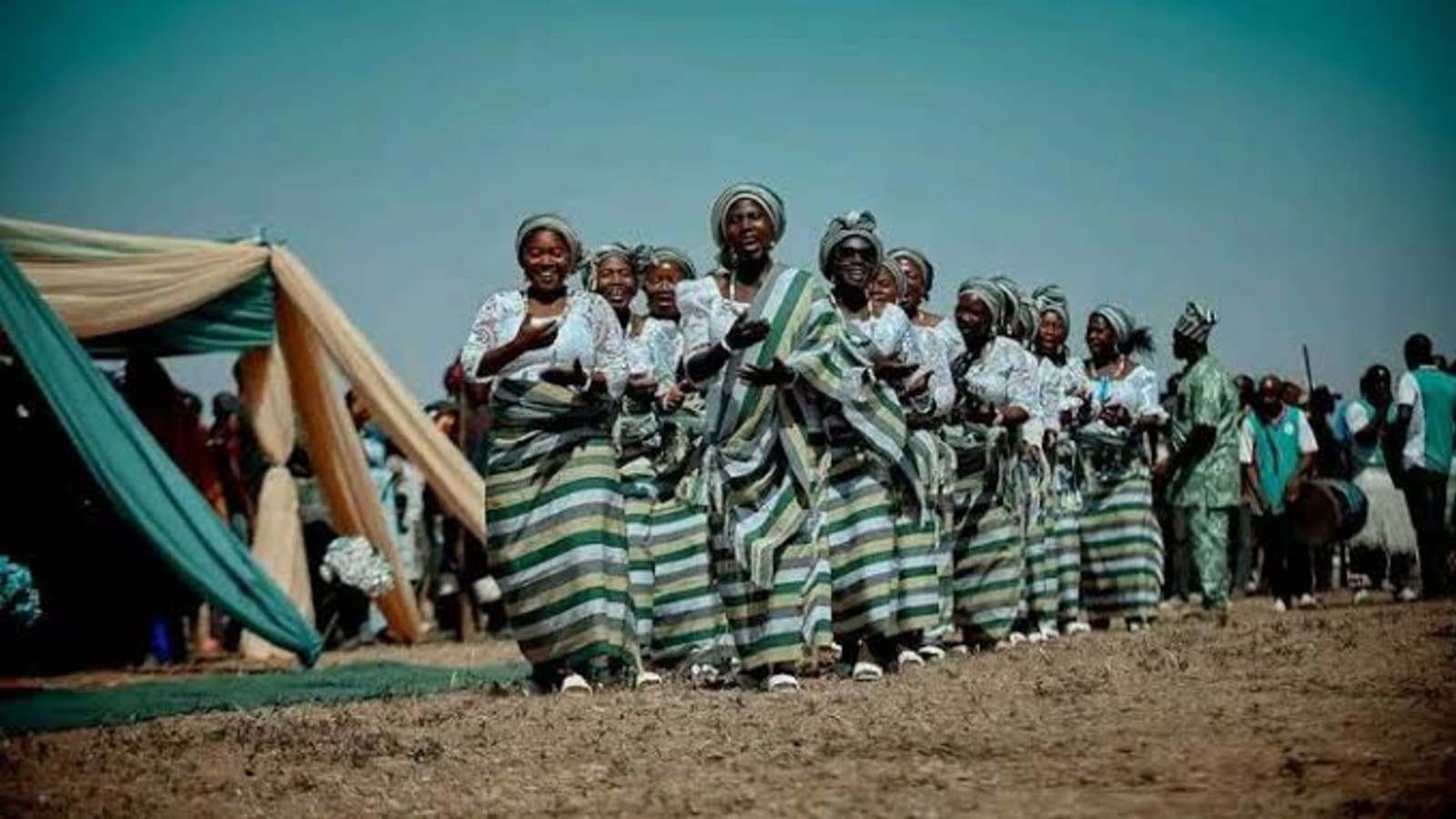
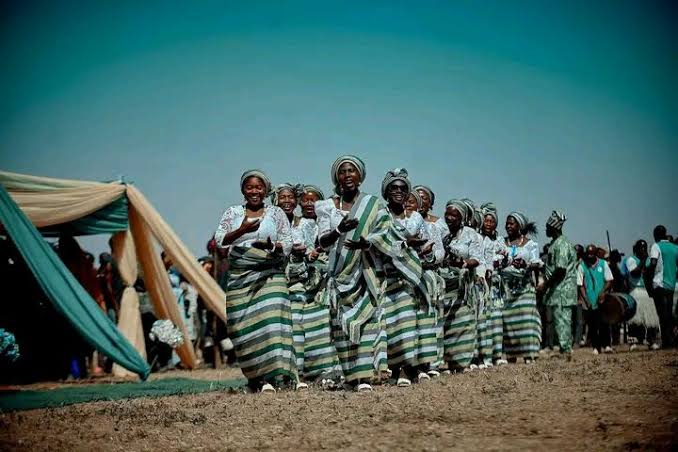
Bajju cultural custodians celebrating heritage and community unity during annual harvest festivities. (Source: Facebook)

Marriage and the Sacred Farming Hoe

In Bajju culture, a man was never judged by how much money or cattle he had. What mattered most was good character and the strength of his hands on the farm.

This is why their traditional marriage had a unique symbol: the Atya (the traditional iron farming hoe):

  • When a young man wanted to marry a girl, his family gave hand-forged iron hoes (Atya) to the bride’s father and family heads.
  • The hoe proved that the young man was not lazy; he had the strength and tools to farm, harvest food, and take care of a family.
  • The groom and his young age-mates were also expected to spend days working on the farm of the bride's parents (Zok Atyok) as a sign of respect and teamwork.

Marriage was never just about two lovers; it was a lifelong friendship between two families, celebrated with food and fresh local drinks.

Food That Feels Like Home: Detuk and Jajju

Visiting a Bajju home means you must eat bellyful. Their favorite meals come straight from their rich soil:

  • Detuk: The main swallow of the Bajju. It is made from smooth, finely ground guinea corn, millet, or maize flour, cooked in hot water until thick, soft, and filling.
  • Jajju: A delicious draw soup made from dried Karkashi leaves, ground melon seeds (egusi), fermented locust beans (dawa-dawa), and smoked fish or bushmeat. It slides down easily with Detuk.
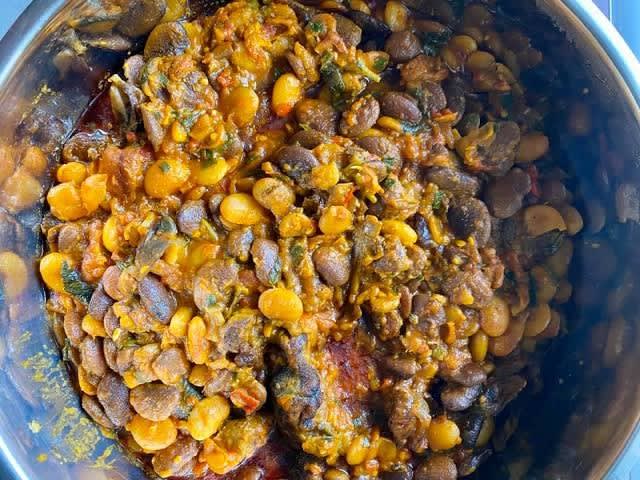
  • Jok Kada: A thick, flavourful bean dish spiced with seasonal greens and native herbs, eaten to give farmers stamina before long hours in the fields.
bajju food

Bajju Cultural Delicacy: Ajajju (Karkashi) (Source: Facebook)

  • Tuk-Zwa and Kunu: Chilled, naturally spicy grain drinks brewed with ginger and cloves, served cold during dry-season parties and warm during cold harmattan mornings.

In Kajju, nobody eats alone. If a neighbor or traveler walks by during mealtime, they are warmly welcomed to share from the bowl.

Celebration Time and Famous Names

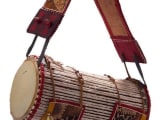
Every year, joy fills the air during Nom Ba̠jju, the annual cultural harvest festival held in Zonkwa. When the farming season ends, sons and daughters of Kajju travel back home from all over Nigeria and abroad. The town rings with the deep sound of the Batram (wooden horn) and the fast tempo of local Samba and Gangan drums.

The Bajju have also produced prominent leaders and professionals who have made Nigeria proud:

  • Late Agwam Nuhu Bature (Agwam Bajju II): The beloved monarch who worked tirelessly to elevate the Bajju stool to a first-class kingdom and defended the cultural pride of his people.
  • Professor Jonathan Andrew Nok: An award-winning scientist who won the prestigious Nigeria Prize for Science (NLNG) for his groundbreaking global research on sleeping sickness, and served as a Kaduna State Commissioner.
  • Major General Zamani Lekwot (Rtd): Former military governor of Rivers State and a veteran general whose leadership remains legendary across Southern Kaduna.
  • Katung Aduwak: The talented film director and media creator who became the historic first winner of Big Brother Nigeria (2006).

Standing Proud

The story of the Bajju is proof that you can embrace modern schools, cities, and jobs without throwing away your true self.

From the peaceful farms of Zonkwa to the sound of drums at Nom Bajju, the people of Kajju show us what quiet dignity and true community love look like. Resilient, honest, and hardworking, the Bajju stand tall, proud of where they came from and excited for tomorrow.

© 2026 Soyoye Oluwafemi Olaitan | TalkAfricang.com

Filed under: culture

Share this article

Keep Reading

More stories you might find interesting

YOUNG AND BOLD: Esther Oluwabunmi Olalude
culture

YOUNG AND BOLD: Esther Oluwabunmi Olalude

Esther Oluwabunmi Olalude is redefining innovation through her commitment to menstrual health, environmental sustainability and social impact. As the founder of Venille Ltd, she transforms agricultural waste into biodegradable sanitary products, tackling period poverty while empowering communities. Her journey reflects the power of youthful ambition, consistency, perseverance and purposeful entrepreneurship.

EL JEM COLOSSEUM, TUNISIA 🇹🇳: AFRICA'S MAGNIFICENT ROMAN ARENA
historical-sites

EL JEM COLOSSEUM, TUNISIA 🇹🇳: AFRICA'S MAGNIFICENT ROMAN ARENA

Rising majestically from the Tunisian plains is the El Jem Colosseum, one of the greatest surviving monuments of the Roman Empire in Africa. Built nearly 1,800 years ago, this enormous amphitheatre once welcomed thousands of spectators to public spectacles. Today, its towering stone arches stand as a remarkable reminder of Rome's influence and architectural brilliance across the African continent.

Beyond the Niger-Benue Confluence: Discovering the History, Heritage and Culture of the Igala People
culture

Beyond the Niger-Benue Confluence: Discovering the History, Heritage and Culture of the Igala People

In the heart of North-Central Nigeria, where the waters of the Niger and Benue rivers meet, lies a people whose history, traditions and cultural identity have endured for generations. They are the Igala people of Kogi State, an ethnic group with a fascinating royal heritage, a distinctive language, rich cultural practices and a story that continues to evolve. Predominantly found in Kogi East Senatorial District, the Igala people have their historical and traditional headquarters in Idah, a town situated along the River Niger. Their kingdom is one of the notable traditional political institutions in Nigeria, with a history that stretches back several centuries. At the centre of this heritage is the Attah Igala, the revered traditional ruler and custodian of the kingdom's cultural identity. The institution has played an important role in the political, social and cultural development of the people.

Comments (0)

Leave a Comment

0/1000
Loading comments...

Beyond the Shadows: The Resilient Heritage and Timeless Spirit of the Bajju People

Beyond the Shadows: The Resilient Heritage and Timeless Spirit of the Bajju People

When many people hear about Southern Kaduna, the news they see is often about politics or conflict. But behind the headlines lives a warm, hardworking, and deeply rooted community: the Ba̠jju people.

For a very long time, colonial officers and neighbouring groups called them Kaje. The people have since dropped that outside label. In their own native language, called Jju, they call themselves the Ba̠jju (or Ba̠nyet Jju, meaning "people of Jju"), and their ancestral land is Ka̠jju. Their main cultural capital is the lively town of Zonkwa, located in Zangon Kataf Local Government Area of Kaduna State. Today, the Bajju stand proudly under their paramount traditional ruler, the Agwam Ba̠jju, whose palace in Zonkwa keeps their history and peace alive.

850617448372712922

The fertile landscape of Kajju in Zonkwa: Ancient homeland of the resilient Bajju people.

(Source: Wikimedia Commons / Creative Commons)

Where They Came From: The Journey to Kajju

The Bajju share rich stories about where they started. Elders and historians note that their forefathers migrated centuries ago from the Bauchi plateau region before settling around a historic area called Dutsen Rimi.

From Dutsen Rimi, brave hunters, clan heads, and families moved into the fertile valleys of Southern Kaduna. They formed close-knit family clans (Kabyen) like the

Dankun, Banuang, and Dutse. Even when larger empires rose and British rule arrived, the Bajju held tightly to their language, farm settlements, and way of life.

Ancient Rules and Faith: The Story of Abvwoi

Long before church bells rang in Southern Kaduna, the Bajju believed in one supreme God called Kaza (or Gaza).

To make sure people lived peacefully and honestly every day, their community ran on a powerful ancestral justice system called Abvwoi:

  • Ancestral Voices: The people believed their dead ancestors watched over them and spoke through respected, initiated male elders at sacred shrines (Kupbvwoi).
  • The Masquerades (Abusak): At night or during special ceremonies, sacred masquerades known as Abusak came out to settle land quarrels, judge thieves, and make peace between fighting families.
  • Strict Laws for Everyone: Under the Abvwoi, you were forbidden from stealing, lying, practicing poison or witchcraft (katsat), or cheating on your husband or wife. Breaking these rules was believed to bring serious sickness or shame upon your entire household.

Because of this strict moral code, people did not need police to do the right thing. Lying was rare, and people kept their word. Even though most Bajju people today are dedicated Christians, that ancient tradition of honesty and respect for elders still guides how they live.

bajju

Bajju cultural custodians celebrating heritage and community unity during annual harvest festivities. (Source: Facebook)

Marriage and the Sacred Farming Hoe

In Bajju culture, a man was never judged by how much money or cattle he had. What mattered most was good character and the strength of his hands on the farm.

This is why their traditional marriage had a unique symbol: the Atya (the traditional iron farming hoe):

  • When a young man wanted to marry a girl, his family gave hand-forged iron hoes (Atya) to the bride’s father and family heads.
  • The hoe proved that the young man was not lazy; he had the strength and tools to farm, harvest food, and take care of a family.
  • The groom and his young age-mates were also expected to spend days working on the farm of the bride's parents (Zok Atyok) as a sign of respect and teamwork.

Marriage was never just about two lovers; it was a lifelong friendship between two families, celebrated with food and fresh local drinks.

Food That Feels Like Home: Detuk and Jajju

Visiting a Bajju home means you must eat bellyful. Their favorite meals come straight from their rich soil:

  • Detuk: The main swallow of the Bajju. It is made from smooth, finely ground guinea corn, millet, or maize flour, cooked in hot water until thick, soft, and filling.
  • Jajju: A delicious draw soup made from dried Karkashi leaves, ground melon seeds (egusi), fermented locust beans (dawa-dawa), and smoked fish or bushmeat. It slides down easily with Detuk.
  • Jok Kada: A thick, flavourful bean dish spiced with seasonal greens and native herbs, eaten to give farmers stamina before long hours in the fields.

bajju food

Bajju Cultural Delicacy: Ajajju (Karkashi) (Source: Facebook)

  • Tuk-Zwa and Kunu: Chilled, naturally spicy grain drinks brewed with ginger and cloves, served cold during dry-season parties and warm during cold harmattan mornings.

In Kajju, nobody eats alone. If a neighbor or traveler walks by during mealtime, they are warmly welcomed to share from the bowl.

Celebration Time and Famous Names

Every year, joy fills the air during Nom Ba̠jju, the annual cultural harvest festival held in Zonkwa. When the farming season ends, sons and daughters of Kajju travel back home from all over Nigeria and abroad. The town rings with the deep sound of the Batram (wooden horn) and the fast tempo of local Samba and Gangan drums.

The Bajju have also produced prominent leaders and professionals who have made Nigeria proud:

  • Late Agwam Nuhu Bature (Agwam Bajju II): The beloved monarch who worked tirelessly to elevate the Bajju stool to a first-class kingdom and defended the cultural pride of his people.
  • Professor Jonathan Andrew Nok: An award-winning scientist who won the prestigious Nigeria Prize for Science (NLNG) for his groundbreaking global research on sleeping sickness, and served as a Kaduna State Commissioner.
  • Major General Zamani Lekwot (Rtd): Former military governor of Rivers State and a veteran general whose leadership remains legendary across Southern Kaduna.
  • Katung Aduwak: The talented film director and media creator who became the historic first winner of Big Brother Nigeria (2006).

Standing Proud

The story of the Bajju is proof that you can embrace modern schools, cities, and jobs without throwing away your true self.

From the peaceful farms of Zonkwa to the sound of drums at Nom Bajju, the people of Kajju show us what quiet dignity and true community love look like. Resilient, honest, and hardworking, the Bajju stand tall, proud of where they came from and excited for tomorrow.

© 2026 Soyoye Oluwafemi Olaitan | TalkAfricang.com

Filed under: culture

Share this article

Comments (0)

Leave a Comment

0/1000
Loading comments...