The Stolen Years: When Childhood Becomes a Battle for Survival in Nigeria

The Stolen Years: When Childhood Becomes a Battle for Survival in Nigeria

There is something deeply troubling about a child who knows the price of survival before understanding the value of childhood. While some children spend their days chasing butterflies, playing with friends and dreaming about who they hope to become, others are already chasing customers, counting money and worrying about what the next meal will look like. In Nigeria, childhood is gradually becoming a luxury some children cannot afford.

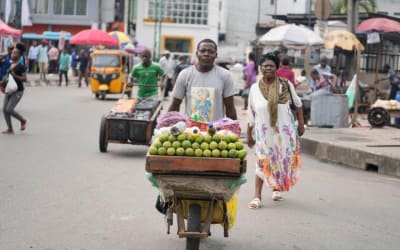
From the busy markets of Lagos to the crowded streets of Abuja, children can be seen hawking goods, washing cars, working in mechanic workshops and engaging in other activities to support their families. Beneath their innocent faces are stories of hardship that often go unnoticed.

Poverty remains one of the major forces pushing children into labour. For families struggling to provide basic necessities, a child's earnings may help put food on the table. What begins as an attempt to support the family can eventually become a responsibility that takes away the child's opportunity to learn, play and grow. The consequences are far-reaching. Beyond physical exhaustion, children face exploitation, abuse, injuries and interrupted education. Some eventually abandon school, leaving their dreams to compete with the demands of survival.

Although Nigeria's Child Rights Act of 2003 provides protection against child exploitation, effective enforcement remains essential. Government, parents, communities and civil society organizations must work together to ensure that children are protected and given access to quality education.

The little boy selling oranges by the roadside may dream of becoming a doctor. The little girl hawking pure water along the road side may dream of becoming a Fashion designer. Their dreams are not the problem, their circumstances are. Children should not have to exchange their childhood for survival. They deserve classrooms instead of dangerous workplaces, opportunities instead of exploitation, and the freedom to dream without the burden of adult responsibilities.

Because a society that cannot protect its children risks losing the very future it hopes to build.

© Judith Onuh | TalkAfricang.com
Filed under: economy

Share this article

Keep Reading

More stories you might find interesting

THE HUSTLE NEVER ENDS: HOW ECONOMIC REALITIES ARE RESHAPING THE DREAMS OF NIGERIAN YOUTHS
economy

THE HUSTLE NEVER ENDS: HOW ECONOMIC REALITIES ARE RESHAPING THE DREAMS OF NIGERIAN YOUTHS

There is a particular kind of silence that comes with putting a dream on hold. It is not the silence of giving up, but the quiet acceptance that sometimes, the things we desire must wait for the things we need. After all, what good is a dream when the demands of everyday life refuse to wait? For many young Nigerians, adulthood is becoming less about discovering their passions and more about figuring out how to survive. The young woman who once dreamed of becoming a journalist now finds herself searching for any job that can pay her bills.

16 DAYS OF ACTIVISM 2026
news

16 DAYS OF ACTIVISM 2026

Every year, as November draws closer, countries across the world begin to turn orange. From social media posts to program planning to advocacy visits to awareness and many more. All these are done to mark 16 Days of Activism Against Gender-Based Violence, which brings together governments, civil society organizations, international institutions, schools, activists, community leaders amongst others to speak against violence.

Dr. Chinasa T. Okolo: The Nigerian-American Scientist Making Sure Africa Is Not Left Out Of AI
news

Dr. Chinasa T. Okolo: The Nigerian-American Scientist Making Sure Africa Is Not Left Out Of AI

Dr. Chinasa T. Okolo, a Nigerian-American computer scientist, was named to the 2024 TIME100 AI list of the world's most influential people in artificial intelligence. A Cornell PhD and founder of Technēculturǎ, she advises governments and institutions on AI governance and safety, pushing for African and Global South communities to have a real voice in how this technology is built.

Comments (0)

Leave a Comment

0/1000
Loading comments...

The Stolen Years: When Childhood Becomes a Battle for Survival in Nigeria

The Stolen Years: When Childhood Becomes a Battle for Survival in Nigeria

There is something deeply troubling about a child who knows the price of survival before understanding the value of childhood. While some children spend their days chasing butterflies, playing with friends and dreaming about who they hope to become, others are already chasing customers, counting money and worrying about what the next meal will look like. In Nigeria, childhood is gradually becoming a luxury some children cannot afford.

From the busy markets of Lagos to the crowded streets of Abuja, children can be seen hawking goods, washing cars, working in mechanic workshops and engaging in other activities to support their families. Beneath their innocent faces are stories of hardship that often go unnoticed.

Poverty remains one of the major forces pushing children into labour. For families struggling to provide basic necessities, a child's earnings may help put food on the table. What begins as an attempt to support the family can eventually become a responsibility that takes away the child's opportunity to learn, play and grow. The consequences are far-reaching. Beyond physical exhaustion, children face exploitation, abuse, injuries and interrupted education. Some eventually abandon school, leaving their dreams to compete with the demands of survival.

Although Nigeria's Child Rights Act of 2003 provides protection against child exploitation, effective enforcement remains essential. Government, parents, communities and civil society organizations must work together to ensure that children are protected and given access to quality education.

The little boy selling oranges by the roadside may dream of becoming a doctor. The little girl hawking pure water along the road side may dream of becoming a Fashion designer. Their dreams are not the problem, their circumstances are. Children should not have to exchange their childhood for survival. They deserve classrooms instead of dangerous workplaces, opportunities instead of exploitation, and the freedom to dream without the burden of adult responsibilities.

Because a society that cannot protect its children risks losing the very future it hopes to build.

© Judith Onuh | TalkAfricang.com

Filed under: economy

Share this article

Comments (0)

Leave a Comment

0/1000
Loading comments...