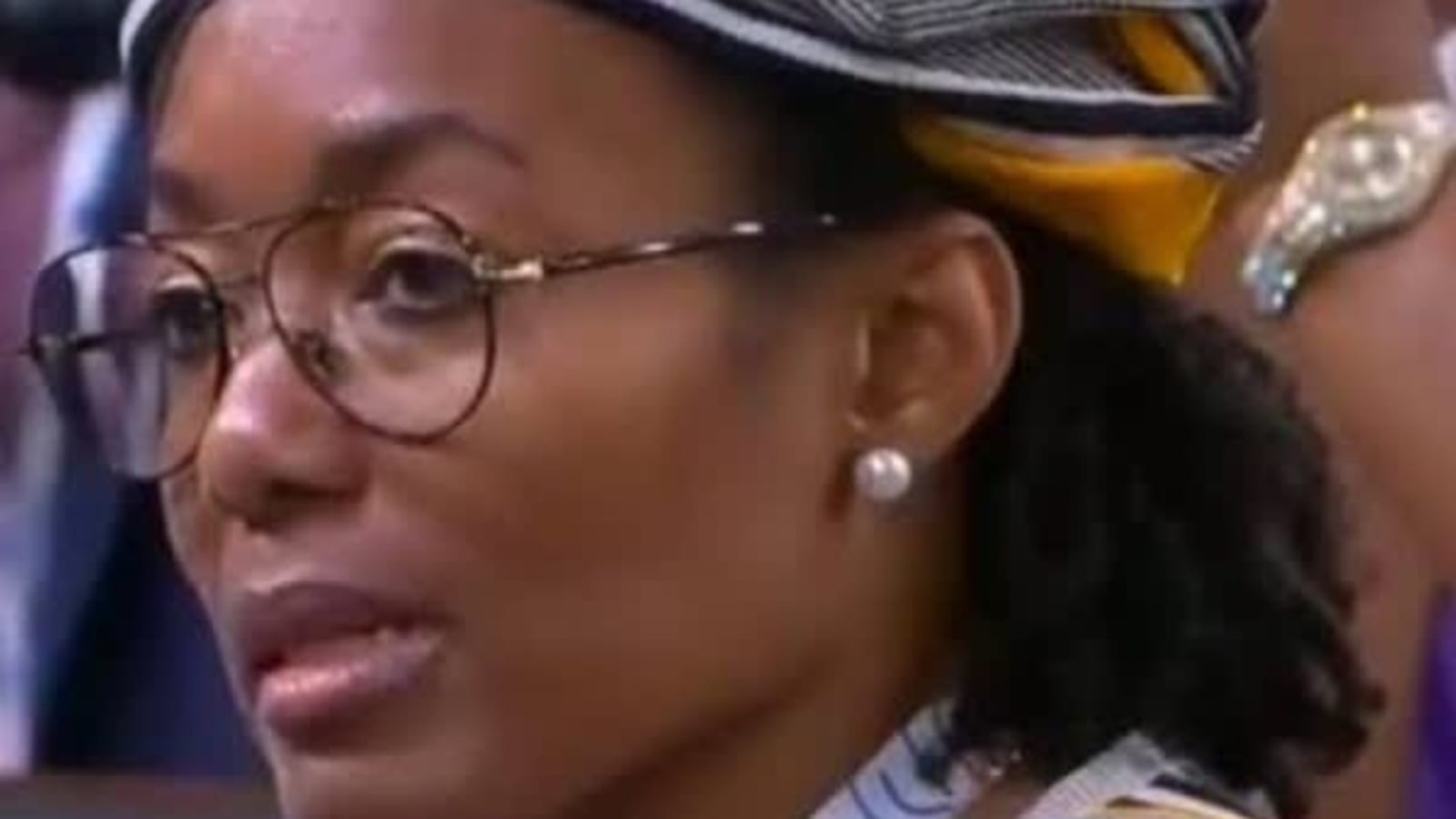
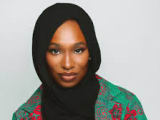
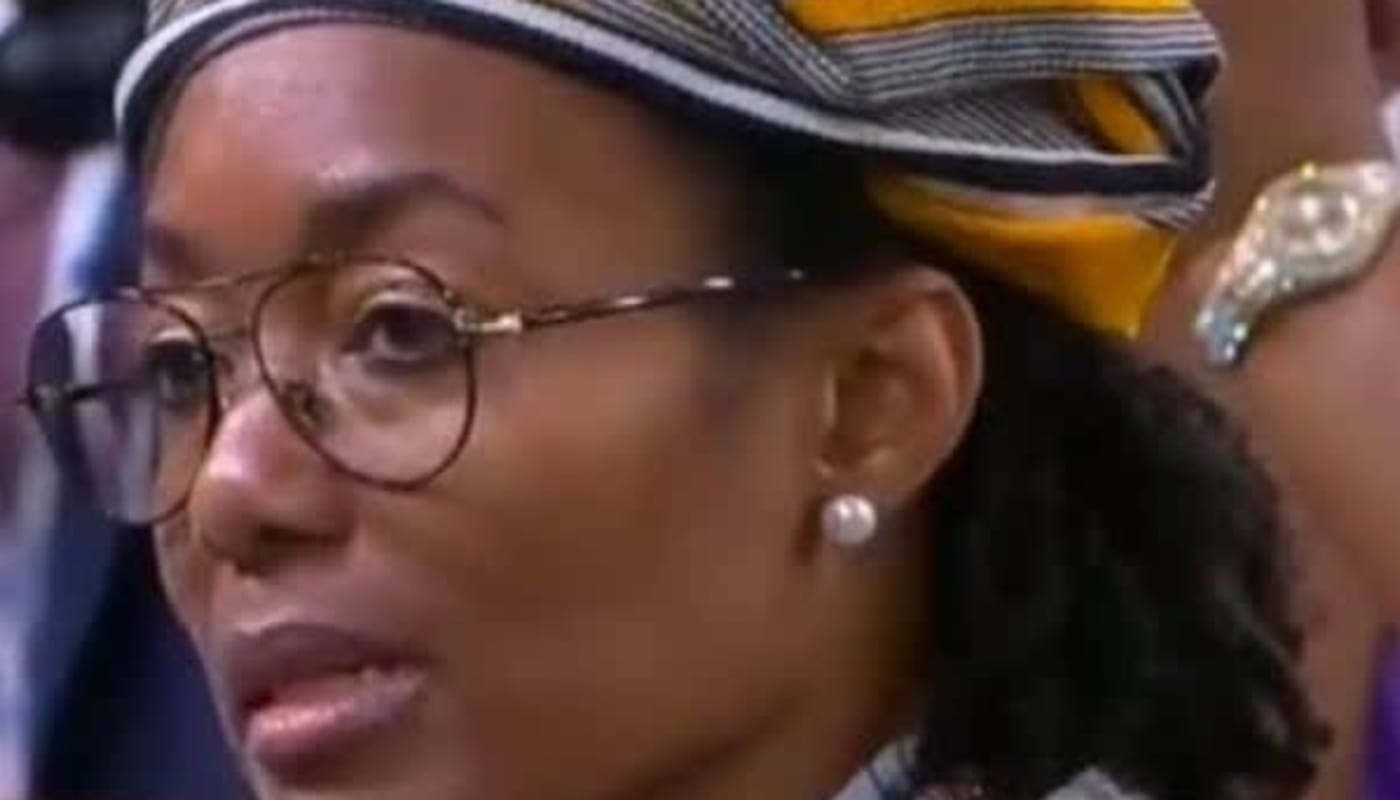
There are moments when a person's conduct on an international stage becomes bigger than the individual. It becomes a reflection of what representation, preparation and the courage to stand one's ground can look like. At the closing plenary of COP31 in Antalya, Türkiye, Ghana's Minister for Environment, Science and Technology, Dr Zanetor Agyeman-Rawlings, gave the world such a moment.
Representing the African Group of Negotiators, which brings together 54 African countries, Dr Agyeman-Rawlings was presenting the continent's collective position when she was interrupted by COP31 President Murat Kurum. What followed was a moment that attracted attention well beyond the conference hall.
She did not surrender the floor or abandon the responsibility entrusted to her. She addressed the interruption directly, expressed her displeasure at what she considered unacceptable treatment, and reminded the conference president of the importance of respect and fairness in multilateral negotiations.
Her words were firm. Her response was measured. And when she was given the opportunity to continue, she returned to the statement and delivered Africa's position.
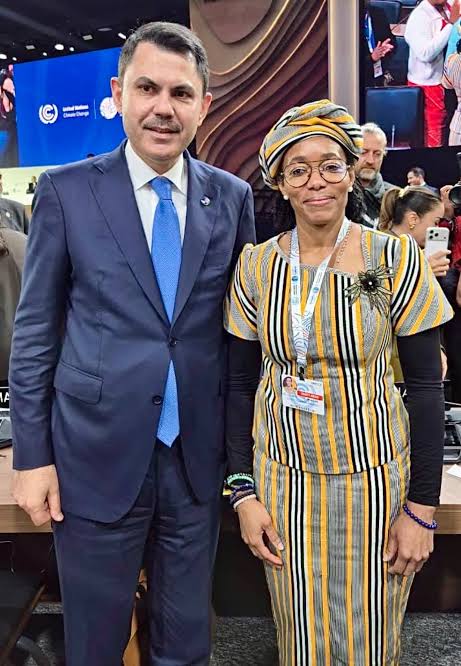
The COP31 President subsequently apologised to her and the African negotiating group. She accepted the apology, acknowledging the frustrations that can arise during difficult negotiations while maintaining the importance of mutual respect.
It was a remarkable demonstration of the balance between courage and diplomacy: the ability to challenge disrespect without allowing the disagreement to overshadow the responsibility one has come to fulfil.
But beyond the immediate applause and conversations surrounding the incident, there is a much bigger story worth telling.
The importance of women being present where decisions are made
For generations, African women have contributed immensely to the development of their communities, economies, institutions and nations. Yet, their presence in some of the rooms where policies are negotiated, resources are allocated and decisions affecting millions of lives are made has not always reflected their contributions.
Dr Agyeman-Rawlings' presence at COP31 was significant not simply because she was a woman at an international conference, but because she occupied a position of responsibility, entrusted with communicating the collective concerns of an entire continent.
Her intervention offered a powerful reminder that representation must extend beyond invitations, ceremonial appearances and photographs. Women must have the opportunity to lead negotiations, articulate positions, challenge decisions and participate meaningfully in shaping the future.
Africa cannot afford to leave half of its intellectual and human resources on the sidelines.
Education: The foundation of meaningful representation
Perhaps one of the most important dimensions of Dr Agyeman-Rawlings' story is her educational background.
She attended Wesley Girls' High School in Cape Coast before proceeding to the Royal College of Surgeons in Ireland, where she obtained her medical qualifications in 2003. Her academic journey did not end with medicine. She subsequently pursued a Master's degree in Conflict, Peace and Security at the Kofi Annan International Peacekeeping Training Centre and acquired additional qualifications in defence management, conflict resolution, women, peace and security, and counterterrorism.
Before entering politics, she practised medicine for more than a decade.
Her journey illustrates something African societies must take seriously: education is not merely about obtaining certificates or securing employment. It is also about developing the knowledge, confidence, critical thinking and capacity required to participate in important conversations and influence decisions.
Educating an African girl should never be treated as an investment in an individual's future alone. It is an investment in families, institutions, communities and the continent's collective progress.
When girls have access to quality education, they acquire more than academic knowledge. They gain the opportunity to imagine themselves as scientists, diplomats, policymakers, researchers, entrepreneurs and leaders.
They become better positioned to question existing limitations, contribute solutions and occupy spaces from which they were historically excluded.
Africa needs more women in rooms that matter
The conversations surrounding Dr Agyeman-Rawlings' intervention should encourage a deeper reflection on the future of African women in leadership.
From climate negotiations to international finance, scientific research, technology, governance and diplomacy, African women must be adequately represented, not as tokens of inclusion but as qualified contributors and decision-makers.
This also requires deliberate investment in girls' education, mentorship, professional development and leadership opportunities. It requires societies to challenge the cultural and institutional barriers that prevent talented women from reaching their full potential.
The objective should not be to create a world where women merely have to prove that they deserve a seat at the table. It should be to build institutions where their qualifications, contributions and voices are recognised without unnecessary resistance.
At COP31, Dr Zanetor Agyeman-Rawlings reminded the world that Africa has a voice and that the people entrusted with communicating that voice deserve to be heard.
Her response was not about winning an argument with a conference president. It was about insisting on the dignity of the African delegation and the principles of equal participation.
And perhaps that is the lesson worth carrying beyond Antalya: African excellence must be nurtured, African women must be educated, and women must be given the opportunity to lead in the places where the future is being decided.
Because the next generation of African girls should not have to wonder whether they belong in those rooms. They should be equipped, encouraged and prepared to walk into them, take their seats and contribute with confidence.








Comments (0)
Leave a Comment